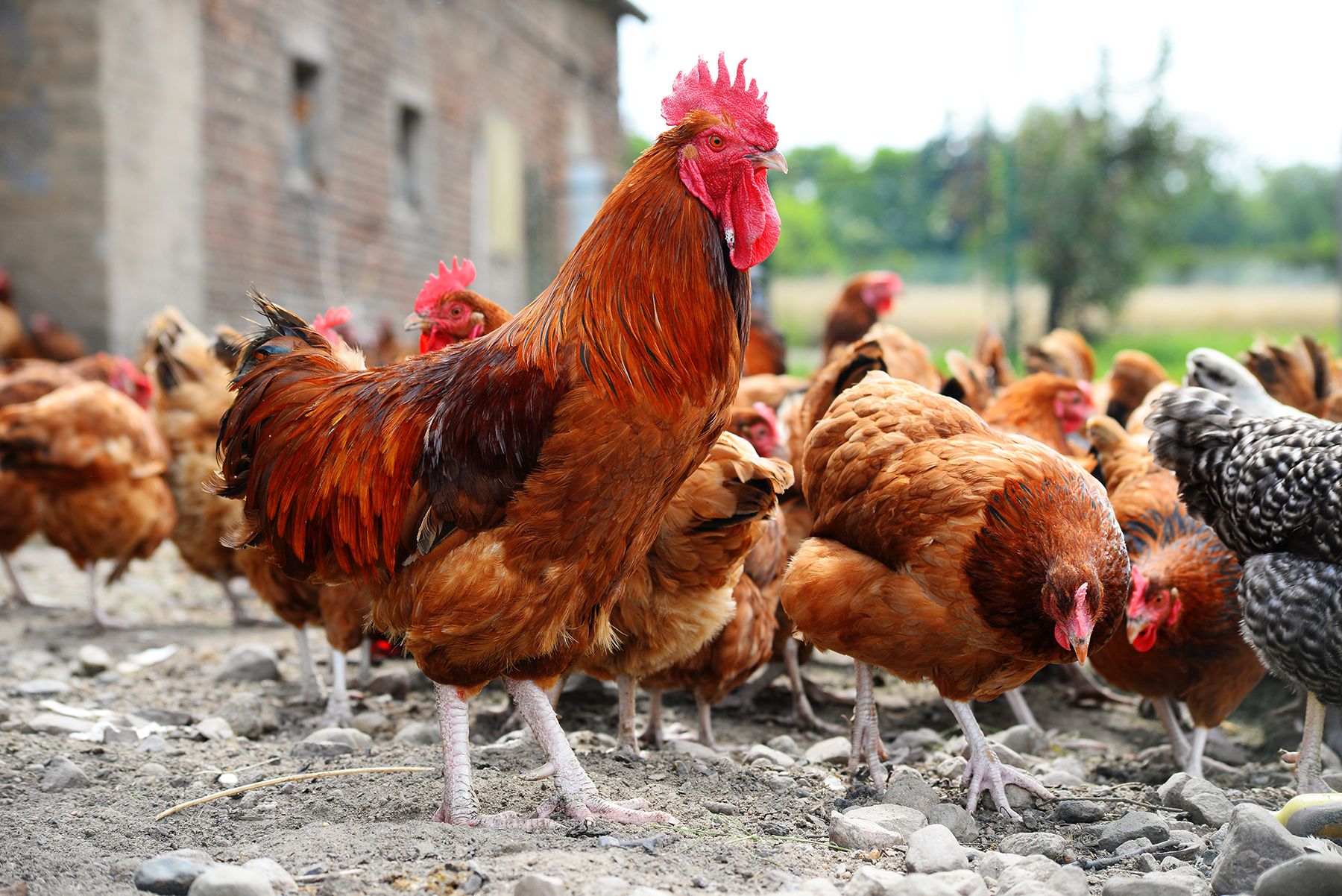
Running a substantial flock in Australia becomes a tracking exercise. Whether you keep heritage chickens in the Yarra Valley, bantams in suburban Brisbane, or…
Articles
Walking through a coop that smells clean and earthy is one of the small joys of keeping chooks at home. Across Australia, from Hobart's chilly winters to…
Australian summers punish poorly prepared flocks. From Alice Springs to Cairns, daytime temperatures climb past the high thirties and heatwaves can last weeks.…
Still air incubators remain a favourite among Australian backyard poultry keepers, from hobbyists in suburban Brisbane to smallholders across the Riverina.…
Many Australian keepers in Sydney and Melbourne have rediscovered the joys of keeping a small flock at home, yet newcomers often overlook a small but mighty…
Guinea fowl have earned a devoted following among Australian homesteaders thanks to their appetite for ticks, beetles and other pests that thrive in the warmer…
Raising a mixed batch of chicks and poults together is a practical approach for many Australian smallholders. Whether you keep birds on a suburban block in…
Brilliant turkey plumage begins long before the show pen. Feather gloss, strong shafts, even colour and a full tail depend on steady nutrition, clean water,…
Bumblefoot, known to poultry vets as pododermatitis, is a bacterial infection that settles in the foot pad and slowly forms a painful, swollen core. It appears…
Peafowl have a reputation for toughness, and rightly so — these birds trace back to the forested hills of India and Sri Lanka, where they learned to handle…