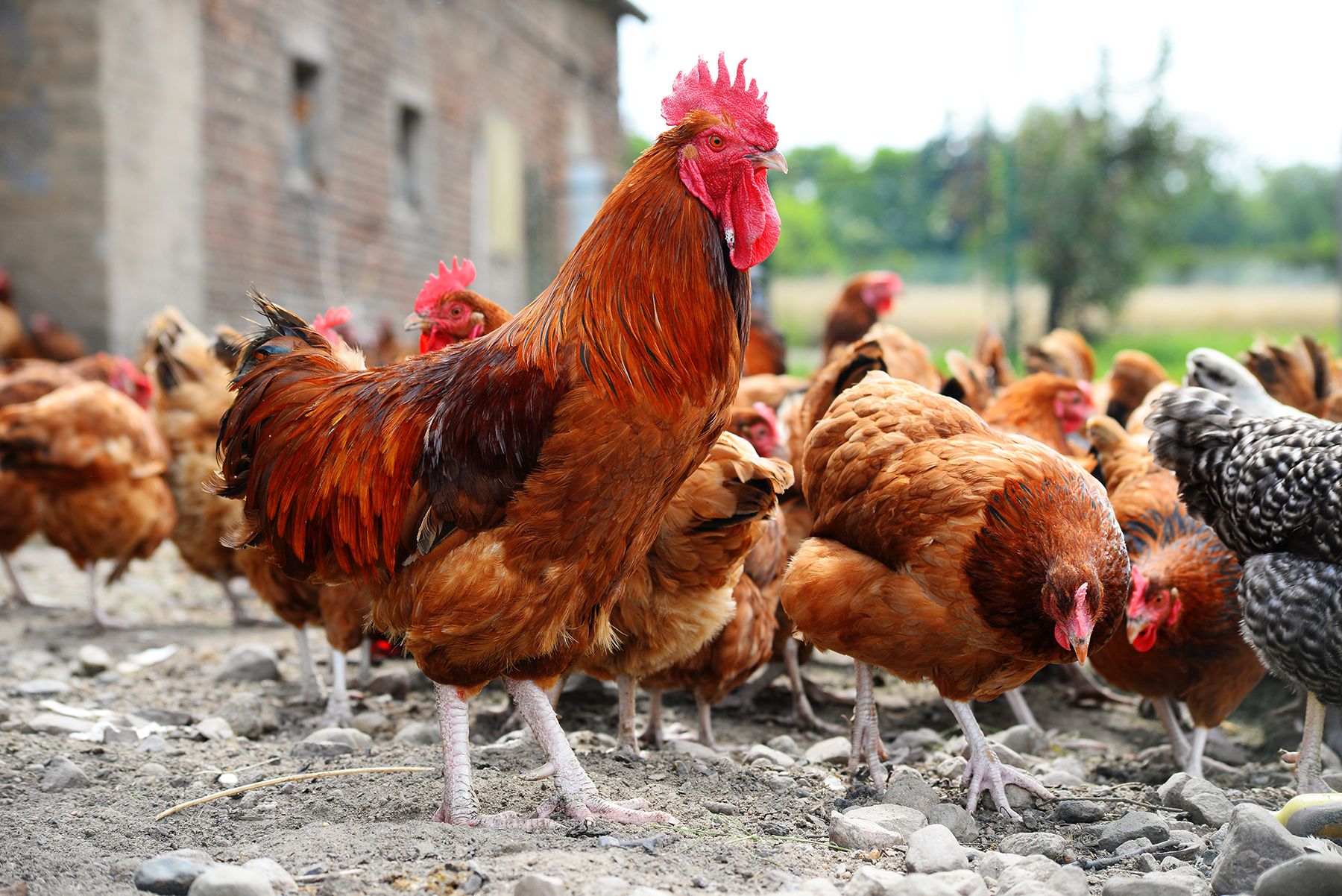
Bantam chickens can share a flock with standard-sized birds, but successful integration depends on planning rather than size alone. Their smaller bodies,…
Articles
Poultry can remain part of a homestead, breeding program, or backyard flock for many years, but longevity varies widely by species, breed, genetics, and…
Hatching is a gradual process, and a chick that appears inactive may still be working normally. Once an egg has pipped, the embryo must absorb remaining blood…
Pasture-raised chickens benefit from sunlight, fresh air, natural forage, and room to express normal behavior. A well-managed outdoor system can support…
A well-presented peacock or peahen should appear alert, balanced, and comfortable around people. Judges notice feather condition and posture, but they also see…
Turkey eggs require steady environmental conditions because their long incubation period gives small errors time to accumulate. Most domestic turkey eggs hatch…
A small poultry operation runs best on consistent habits rather than complicated systems. Whether you keep heritage chickens, bantams, ducks, quail, turkeys,…
A well-designed pond gives ducks and geese room to swim, preen, forage, and display natural behaviors. It also creates a healthier environment when water…
The Redcap chicken is one of Britain’s distinctive heritage poultry breeds, recognized for its oversized rose comb, lively temperament, and useful egg…
Small poultry pens can become crowded quickly as chicks mature, seasonal birds arrive, or a keeper adds new breeds to the flock. Limited floor area affects far…