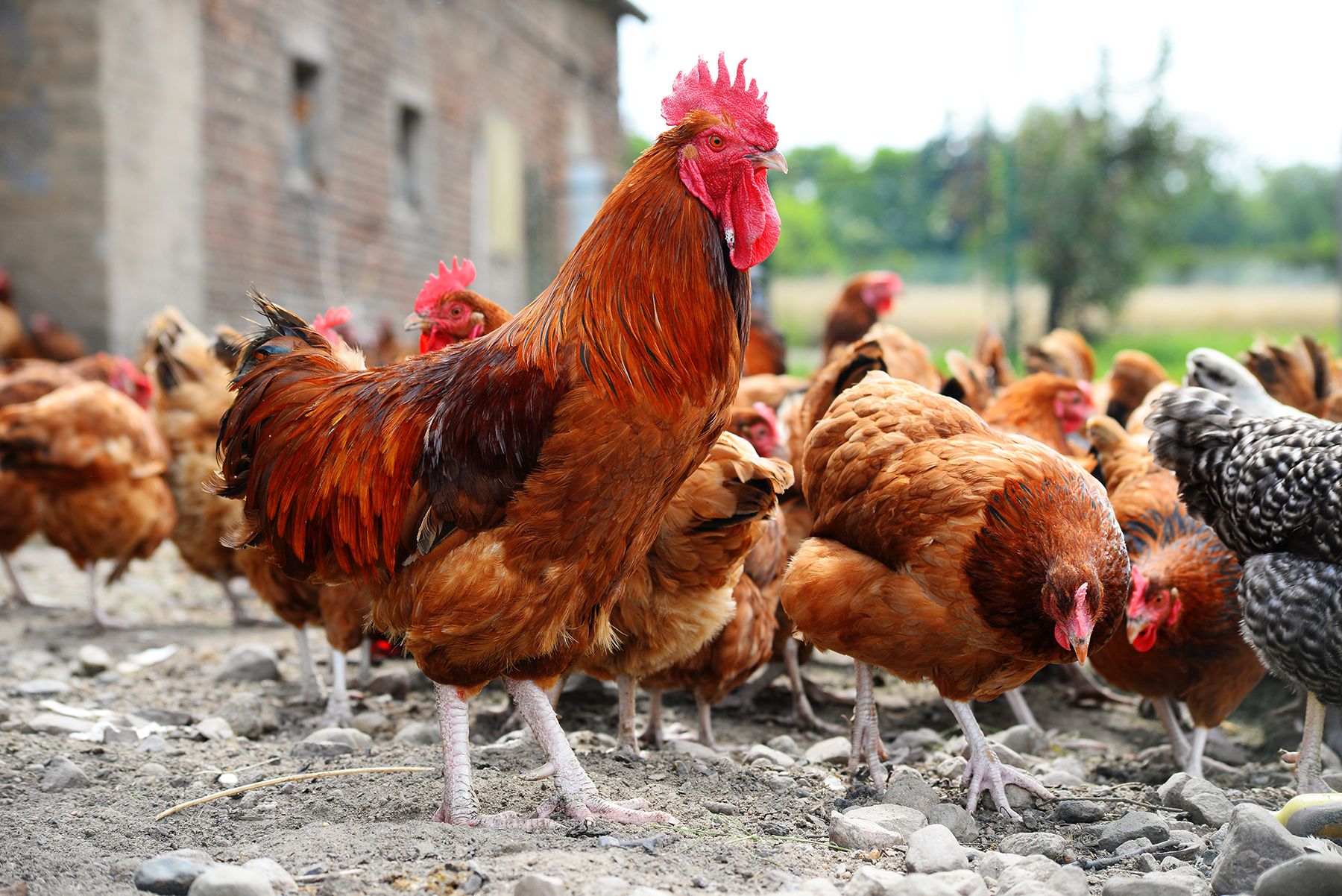
Best Poultry Breeds For Pest Control In The Garden
Poultry can provide gentle, ongoing pest management while producing eggs, manure and plenty of activity around a productive garden. Ducks are especially useful against slugs and snails, while chickens patrol beds for beetles, caterpillars and other insects. The right choice depends on your climate, garden layout and tolerance for scratching or noise.
Australian gardeners also need to consider heat, water use, predators and local council rules. A compact backyard in Sydney or Melbourne may suit a few quiet bantams, while a larger block near Brisbane, Adelaide or Perth may accommodate heavier breeds and dedicated poultry areas. Breed temperament matters as much as pest-hunting instinct.
| Breed or group | Best pest-control role | Garden suitability | Main consideration |
|---|---|---|---|
| Indian Runner duck | Slugs, snails and soft-bodied insects | Excellent around established plants | Needs secure water and muddy areas |
| Khaki Campbell duck | Snails, slugs and general foraging | Productive on larger blocks | Can trample small seedlings |
| Australorp chicken | Beetles, larvae and garden insects | Good for supervised rotation | Scratches mulch and soil |
| Plymouth Rock chicken | Broad insect control and foraging | Suitable for orchards and runs | Requires protection from foxes |
| Silkie bantam | Light insect picking | Useful in smaller gardens | Less effective over large areas |
| Guinea fowl | Ticks, grasshoppers and insects | Best on spacious rural properties | Loud calls and strong roaming instinct |
| Geese | Grazing and territorial deterrence | Better for paddocks than beds | Can be assertive and destructive |
Ducks For Slugs And Snails
Ducks are among the most effective natural allies for gardens troubled by snails and slugs. Indian Runners are active, upright foragers that move through paths and orchard rows, while Khaki Campbells combine strong feeding behaviour with excellent egg production. They generally cause less scratching than chickens, making them valuable around established vegetables and fruit trees.
Ducks still need supervision around young seedlings. Their broad bills can disturb delicate plants, and wet ground may become compacted near feeders and waterers. Keep drinking water away from raised beds, refresh it frequently, and provide shade during hot Australian summers. Gardeners seeking suitable stock can explore juvenile ducks for a practical starting point.
Chickens For Insects And Weeds
Chickens patrol actively for grasshoppers, beetles, caterpillars and insect larvae. Australorps are a popular Australian choice because they are hardy, productive and generally manageable in a backyard flock. Plymouth Rocks and other calm heritage breeds can also work well when released into orchard areas or empty beds between crops.
Their scratching habit is both useful and risky. Chickens can loosen soil, remove weeds and break up compost, yet they may also uproot lettuce, mulch freshly planted seedlings and damage shallow roots. Use portable fencing or a chicken tractor to move birds over selected areas rather than giving them unrestricted access to the entire garden.
Guinea Fowl And Geese
Guinea fowl are energetic insect hunters with a reputation for pursuing ticks, grasshoppers and other crawling pests. They suit acreage, orchards and semi-rural properties better than suburban blocks because they roam widely and produce a distinctive, loud call. Their flight ability also means fencing must be planned carefully.
Geese are more useful as grazers and watch animals than as precision pest controllers. They can keep grass short and may discourage some intruders, but they are large, strong and capable of damaging garden borders. Their size and assertiveness make them a better match for open paddocks than compact vegetable plots.
Choosing Breeds For Australian Conditions
Climate should guide breed selection. In hot areas such as Brisbane and inland New South Wales, shade, airflow and cool drinking water are essential, particularly for ducks with dense plumage. In dry regions around Adelaide and Perth, efficient water management matters, so avoid placing poultry facilities where drinkers constantly spill onto valuable garden soil.
Suburban keeping also requires attention to council regulations. Rules can cover the number of birds, coop placement, sanitation and roosters, with requirements varying between local government areas in Melbourne, Sydney and other cities. Check the relevant council before buying, and consider quieter hens or bantams if neighbours are close.
Protecting Birds And Beneficial Insects
Poultry pest control works best as part of an integrated garden routine. Do not release birds onto plants treated with chemical insecticides, slug pellets or fertilisers until product instructions confirm it is safe. Chickens and ducks may eat beneficial insects as well as pests, so protect flowering plants and pollinator habitat with temporary barriers.
Australian foxes, snakes, feral cats and birds of prey can threaten poultry, even in areas close to town. Use strong night housing, covered runs and secure latches. Keep feed in sealed containers, remove leftovers before dusk and maintain clean bedding to reduce rodents and disease risks.
Building A Manageable Garden Flock
Start with the pest problem rather than choosing the most attractive breed. A few Indian Runners may be enough for a snail-prone orchard, whereas a small group of Australorps could be more useful for an insect-heavy homestead. Quail are compact and productive but usually contribute less to open garden pest control because they are vulnerable and prefer contained housing.
Buy healthy, well-handled birds from a reliable source and plan quarantine when adding them to an existing flock. Australian interstate movement and biosecurity requirements can vary, so check current state rules before arranging transport. Local poultry clubs, feed stores and seasonal agricultural markets can also provide useful information about breed availability and regional conditions.
Choose a breed that matches your garden size, local climate and daily routine, then give it secure housing and controlled access to growing areas. Browse quality poultry stock and hatching options from Premium Poultry Breeds to build a healthy flock that supports both garden productivity and enjoyable backyard keeping.