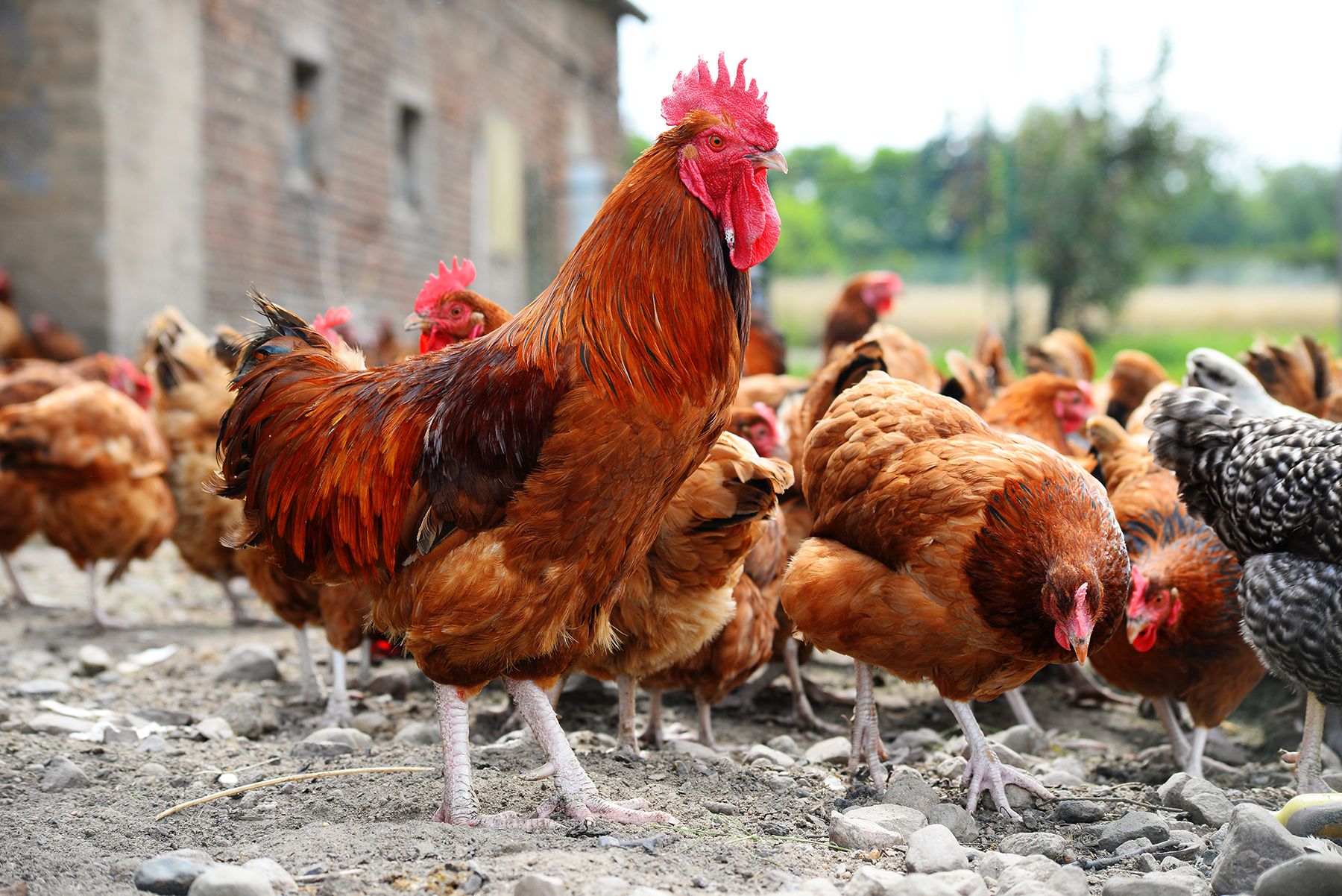
How Light Cycles Shape Chicken Egg Production
Egg production is closely linked to the amount and timing of light a hen receives. Chickens use daylight as a biological signal, helping regulate hormones that control ovulation, feeding behaviour, rest and seasonal reproduction. When daylight hours shorten, many hens naturally reduce their laying rate.
For Australian backyard keepers, this pattern can be easy to notice. A flock in Hobart or Melbourne may slow down during the shorter winter days, while hens in Brisbane, Perth or Darwin often experience a different seasonal rhythm. Breed, age, nutrition, health and temperature also influence how strongly a flock responds.
Light management can support consistent laying, but it should be applied carefully. Increasing brightness or extending the day too quickly can stress birds, disturb sleep and create welfare problems. The goal is a steady, natural-looking schedule rather than continuous illumination.
Understanding the relationship between photoperiod and egg production helps homesteaders plan housing, choose suitable equipment and set realistic expectations. It is especially useful when raising heritage breeds, bantams or young pullets that mature at different rates.
Why Day Length Affects Laying
A hen’s reproductive system responds to light entering through the eyes and stimulating the brain. This signal affects hormones, including those involved in follicle development and ovulation. In general, mature layers perform best when they receive a dependable daily light period of around 14 to 16 hours.
When the photoperiod falls below the level that supports active reproduction, the bird’s endocrine system begins to conserve resources. Fewer eggs may be produced, and the hen may pause laying during moult or severe weather. This seasonal slowdown is normal rather than a sign that every bird is sick.
Natural Seasons In Australian Flocks
Australia’s Southern Hemisphere seasons mean that laying patterns differ from advice written for North American or European keepers. Winter days are shorter in southern areas, so a flock near Melbourne, Adelaide or Canberra may need careful planning if the household expects eggs throughout the cooler months.
Summer brings a different concern. Long daylight hours and high temperatures around Sydney, Brisbane and inland regions can reduce feed intake and increase heat stress. Shade, ventilation and cool drinking water are essential because extra light cannot compensate for poor comfort or dehydration.
Daylight saving also changes the clock time at which sunrise and sunset occur in states such as New South Wales, Victoria, South Australia and Tasmania. The hens respond to actual light, not the time displayed on a wall clock, so automatic lighting should be adjusted to maintain a stable routine.
Choosing A Safe Lighting Schedule
Artificial light is usually added in the early morning rather than late at night. A timer can extend the day before sunrise, allowing hens to wake naturally when outdoor light arrives. If power fails, birds are less likely to be stranded suddenly in darkness while perched or moving around the coop.
A low-intensity, evenly distributed light is preferable to a harsh lamp. Sudden changes should be avoided; increasing the schedule by roughly 15 minutes every few days gives the flock time to adapt. Most backyard systems aim for a total day length of about 14 hours, while preserving a long, uninterrupted dark period.
Young pullets should not be pushed into production too early with excessive lighting. They need time to reach appropriate body weight and skeletal maturity. Starting a laying programme before they are ready may contribute to reproductive strain, small eggs or long-term performance issues.
Breed, Age And Health Considerations
Commercial laying strains often respond predictably to a managed photoperiod, while heritage chickens may show stronger seasonal variation. A breed such as the Speckled Sussex can be a practical choice for family flocks because keepers often value temperament, appearance and useful household egg production; this breed profile offers further context.
Older hens generally lay fewer eggs even when light conditions are ideal. Broody hens, birds in moult and flocks recovering from illness may also pause production. Light should support a sound management programme, not be used to override signs that birds need rest, veterinary attention or better nutrition.
A balanced layer ration, access to calcium and clean water remain fundamental. In Australia, heat waves, wet winters and sudden temperature changes can affect intake and laying more dramatically than a modest adjustment to the lighting schedule.
Practical Coop Management
Place lamps where they illuminate the main living area without shining directly into birds’ eyes or creating hot spots. Secure all cords, protect electrical equipment from dust and moisture, and keep fittings away from litter and pecking. A qualified electrician should handle permanent installations, particularly in outdoor sheds.
Use a reliable timer and check it regularly after blackouts or power interruptions. Record daily egg numbers, feed consumption, body condition and unusual behaviour. These notes help distinguish a genuine response to shorter days from problems such as mites, poor ventilation, predator disturbance or dietary imbalance.
Local council rules and neighbour expectations may matter for urban poultry keepers in suburbs of Perth, Melbourne or Sydney. Lighting should not create glare, noise or unnecessary disturbance. Good coop hygiene and responsible flock management are equally important when purchasing birds or hatching eggs through the Australian poultry market.
Comparing Light Management Options
The best approach depends on flock size, climate, housing and the keeper’s production goals. A small backyard group may be managed successfully with natural daylight alone, while a breeder or homestead seeking a steadier winter supply may prefer a carefully timed system.
| Lighting approach | Suitable use | Main benefit | Important caution |
|---|---|---|---|
| Natural daylight only | Seasonal backyard flocks | Simple and low cost | Egg numbers may fall in winter |
| Early-morning timer | Small laying groups | Extends the day while preserving evening roosting | Needs a stable schedule |
| Fixed low-intensity system | Larger coops | Consistent light distribution | Requires safe installation |
| Gradual seasonal adjustment | Heritage or mixed breeds | Supports natural transitions | Takes regular monitoring |
| Excessively long lighting | Not recommended | May appear to increase short-term output | Can disrupt rest and welfare |
Recommendations For Better Egg Production
A thoughtful lighting programme works best when it complements the flock’s natural biology. Use these practices as a practical starting point:
- Aim for approximately 14 hours of total light, including daylight, for mature laying hens.
- Add light in the morning and preserve at least eight hours of darkness.
- Increase or reduce exposure gradually instead of changing the schedule overnight.
- Monitor heat, ventilation, water intake and body condition during Australian summer.
- Stop treating light as the main solution when birds show illness, moulting or reproductive problems.
Consistent records are valuable for breeders, hobby farmers and families relying on home-produced eggs. They reveal how individual breeds respond and help prevent unnecessary lighting changes when seasonal variation is normal.
Well-managed light cycles can support reliable laying without compromising flock welfare. Explore healthy poultry and suitable breeds at Premium Poultry Breeds to build a productive, carefully managed flock for Australian conditions.