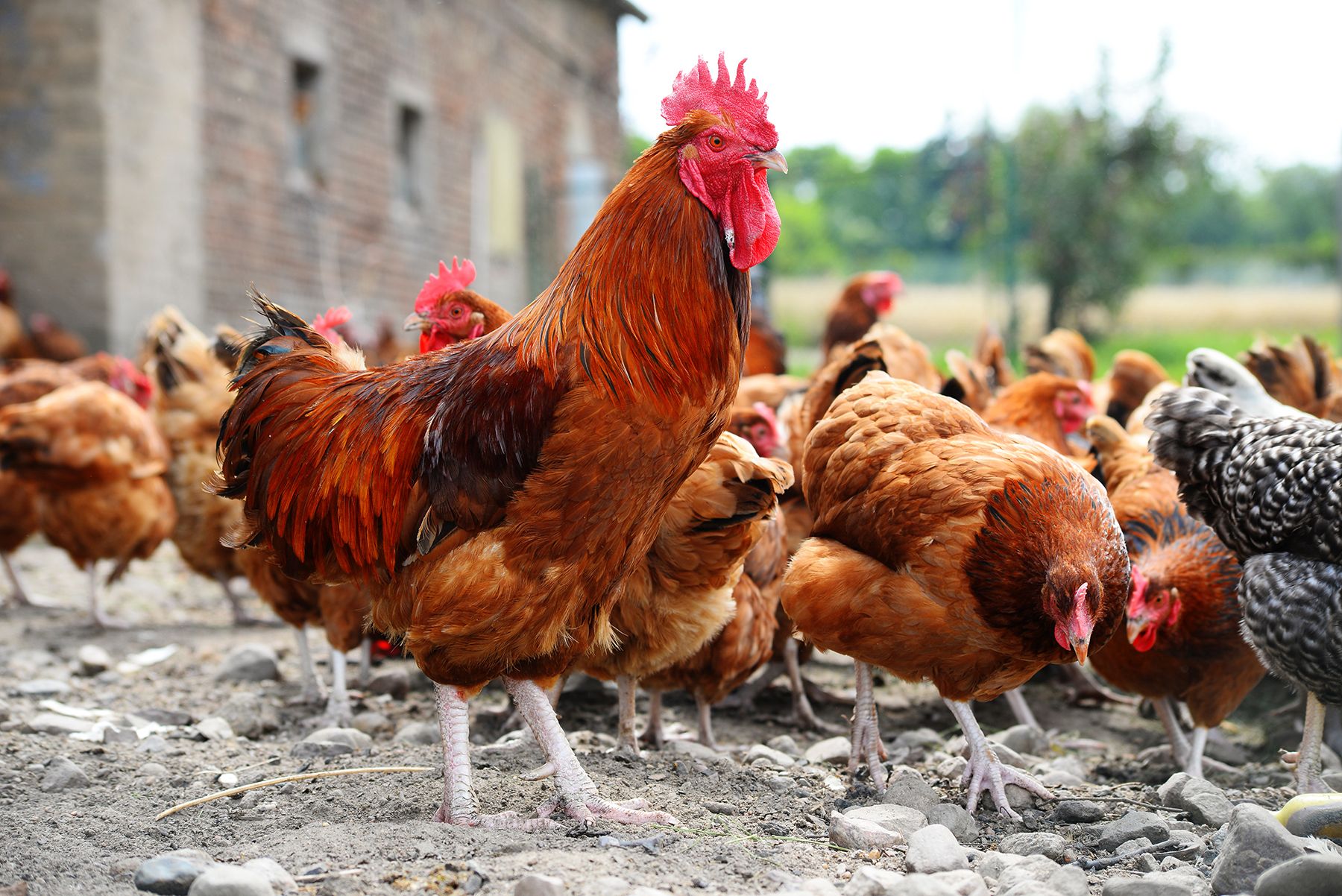
Chickens instinctively roll, wriggle and flick loose material through their feathers to clean the skin and discourage external parasites. A well-designed dust…
Articles
Adding new poultry to an established flock can refresh genetics, expand a breeding programme or bring different breeds to a homestead. It can also trigger…
Bronze turkeys bring presence, colour and movement to a smallholding. Their dark, lustrous plumage can flash copper, green and bronze in the sun, while their…
Candling is a simple way to examine an egg’s interior during incubation. By shining a focused light through the shell, you can look for blood vessels, a…
Cold weather affects ducks and geese in several ways at once. Frost can chill wet feathers, freeze drinking water, harden bedding, and expose birds to draughts…
Heritage chickens bring character, useful behaviour and valuable genetic diversity to a backyard flock. Their slower growth, natural foraging instincts and…
A turkey’s crop is a temporary storage pouch at the base of the neck. It holds feed before it moves into the digestive tract. When the contents remain too long…
A stable brooder gives young poultry the best start, but one temperature does not suit every species. Chicks, ducklings, turkey poults, quail, pheasants and…
Pasty vent, sometimes called pasted vent, occurs when droppings dry around a young bird’s cloaca and restrict the passage of further waste. It is common in…
The Polish Crested chicken is one of the most recognisable ornamental poultry breeds in the world. Its rounded head crest, upright carriage and unusual facial…