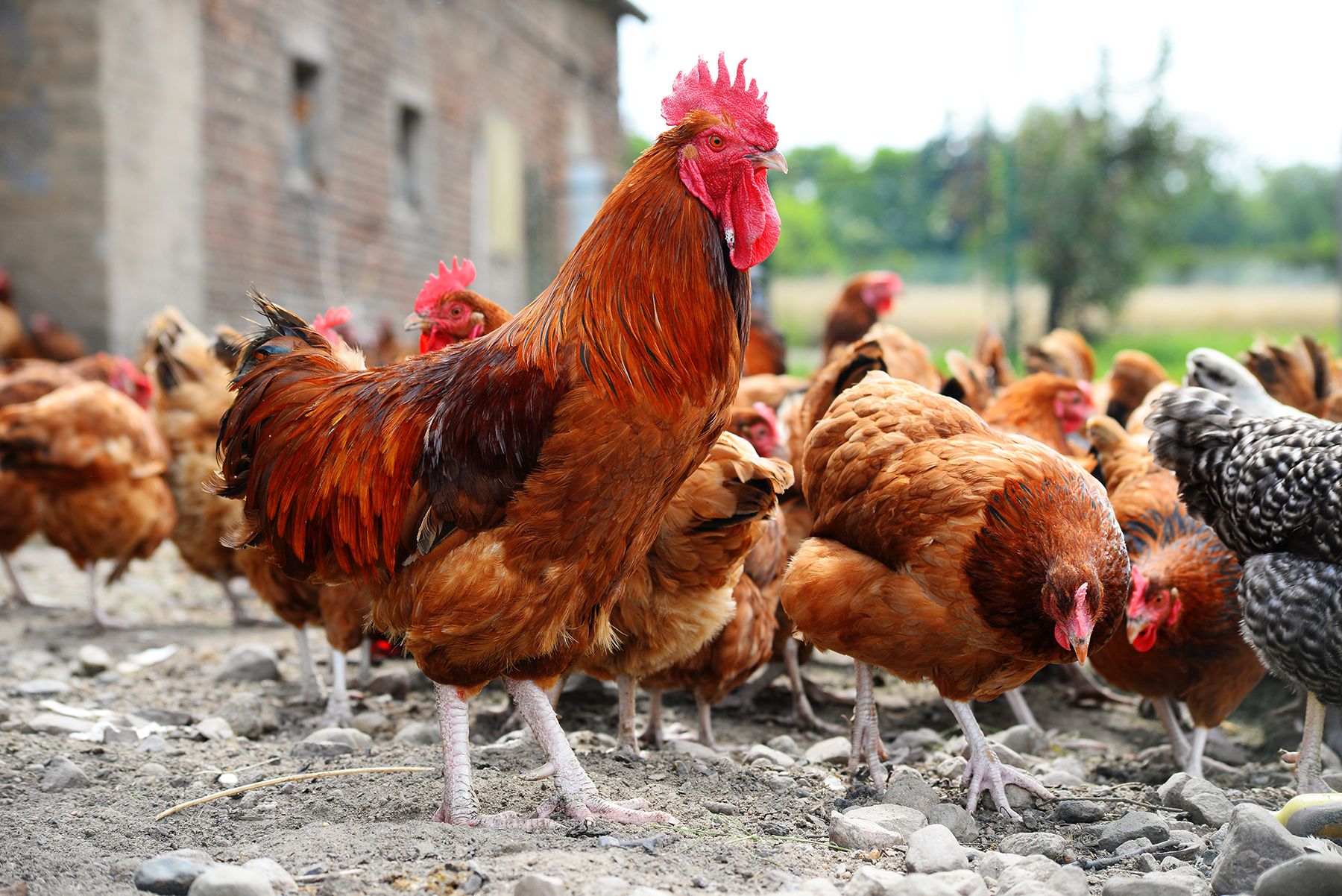
treating wounds and injuries in peafowl safely
Peafowl are now common across Australian hobby farms, from coastal Queensland smallholdings to cooler properties in the Hunter Valley and southern Victoria. Their loud calls make them useful sentinels around the chook pen, but their high perching habits and long tails mean injuries are a regular part of keeping them.
Wounds most often come from wire netting, roost edges, dog attacks and fox bites that reach deep into rural SA and Gippsland. Broken tail feathers cause a steady bleed that alarms new owners. In Tasmania, frostbitten tail tips are a real concern in midwinter, while in the tropics goanna scratches and mozzie-plagued skin infections crop up year-round.
A calm, methodical response usually turns a stressful moment into a manageable task. With two people, a towel and a few basic supplies, most minor wounds can be cleaned and dressed on the spot. The aim is to stabilise the bird, prevent infection and decide whether professional care is required.
This guide walks through spotting common injuries, preparing a clean workspace, the practical steps of cleaning and dressing, when to call a vet, supportive recovery and prevention strategies suited to Australian conditions.
spotting the injuries peafowl tend to suffer
Peahens and peacocks share a knack for finding trouble. Wire fencing is the usual suspect on smaller blocks, where a startled bird can take a strip of skin off the wing or thigh. Dog and fox bites range from shallow punctures to deep tearing that exposes bone, and these wounds often look worse on the outside than underneath. Tail trauma, including broken pinfeathers, can drip steadily and stain the plumage red.
Leg and foot problems show up as lameness, swollen hocks or limping. Bumblefoot — a bacterial infection of the footpad — is common in birds kept on hard, damp or rough ground, and is widespread during a wet Murray River winter. Sprains happen when heavy cocks jump down from too-high roosts, particularly younger males.
preparing a calm treatment space
Pick a quiet, shaded spot away from barking dogs and other birds. A laundry room, garden shed or covered patio works well, but during a summer heatwave in western NSW an air-conditioned indoor space keeps a stressed bird from overheating. Lay down a clean towel on a stable table, gather your supplies first and have a helper nearby.
Wrap the peafowl snugly in a towel, tucking the wings close and leaving only the head free. Speak in a low, steady voice — a soft "steady now" keeps most birds calmer than silence. Good lighting matters, since plumage hides small cuts, so natural light from a north-facing window is ideal during a long summer arvo.
cleaning and dressing wounds safely
Start by flushing the wound with sterile saline to wash away dirt, blood and loose feathers. Trim any feathers that fall into the wound with clean, sharp scissors, then dab the area dry with a fresh gauze pad. Avoid cotton wool, which leaves fibres behind.
| antiseptic | spectrum | safe for peafowl | notes |
|---|---|---|---|
| chlorhexidine 0.05% (diluted) | broad | yes | gentle first choice |
| povidone-iodine 1% (diluted) | broad | yes | rinse off after two minutes |
| saline 0.9% | none | yes | best for initial flushing |
| hydrogen peroxide 3% | strong | not recommended | damages healthy tissue |
After cleaning, apply a thin layer of an avian-safe wound spray or ointment, then a non-stick pad and a light wrap that doesn't bind the wing or leg too tightly. Replace the dressing daily, watching for swelling, smell or discharge.
when an avian vet is needed
Deep cuts exposing muscle or bone, bite wounds from cats or dogs, snake bites (brown and tiger snakes are a genuine worry across the country) and wounds bleeding through several dressings all warrant a vet. A bird that is lethargic, off water, or has not eaten for over a day also needs urgent assessment.
Avian vets are not always close at hand in the outback, so identifying your nearest clinic before an emergency is essential. Regional centres such as Wagga Wagga and Launceston often have a registered bird vet, and local stockfeed stores or poultry clubs can point you in the right direction.
supporting recovery at home
Once a peafowl is home from the vet or has had a minor wound dressed, the focus shifts to rest, warmth and nutrition. House the bird in a quiet pen with clean water and a high-protein ration — crumbled hard-boiled eggs, soaked pellets and a little mince work well in the first days. Producers raising meat birds, such as those following guides on toulouse geese production, lean on similar high-protein feeding principles during stress or recovery.
Soft scrambled eggs tempt a poorly bird back to the bowl, and having a steady supply on hand makes the first days easier. Keep the recovering bird away from flock mates and monitor droppings. A covered run away from the main pen gives a quiet retreat while the bird can still see the others.
preventing injuries in the flock
A little setup work cuts injuries dramatically. Cover runs with soft netting rather than rigid wire, and use aviary mesh dark enough to be seen in flight. Predator-proofing matters, particularly in fox country across SA, Victoria and southern NSW — a hot wire at the bottom of the fence and a solid skirt of mesh stop most night losses.
Lower roosts to about 1.5 metres and add a wide ramp for older or heavier birds. Trim the longest tail feathers in late summer once the display season ends. During breeding, separate rival males and watch for overmating injuries on the hen's back.
Many smallholders keep several poultry species. Preserving surplus eggs means a quick, protein-rich meal is always on hand for an ailing bird. Try this quail egg pickling method for inspiration on keeping soft eggs ready.
practical recommendations for keepers
- Keep a stocked first-aid kit: saline, diluted chlorhexidine, non-stick pads, vet wrap, blunt scissors and a clean towel.
- Identify your nearest avian vet and save the after-hours number in your phone.
- Inspect fencing, netting and roosts each season, especially after strong winds or summer storms.
- Quarantine any new bird for at least two weeks before mixing it with the flock to prevent introducing infections that complicate healing.
- Weigh recovering birds weekly and note feed intake, water consumption and droppings so you can describe changes to your vet if needed.
Browse the Premium Poultry Breeds catalogue and order today to bring home healthy, well-handled peafowl backed by a team that understands Australian conditions.