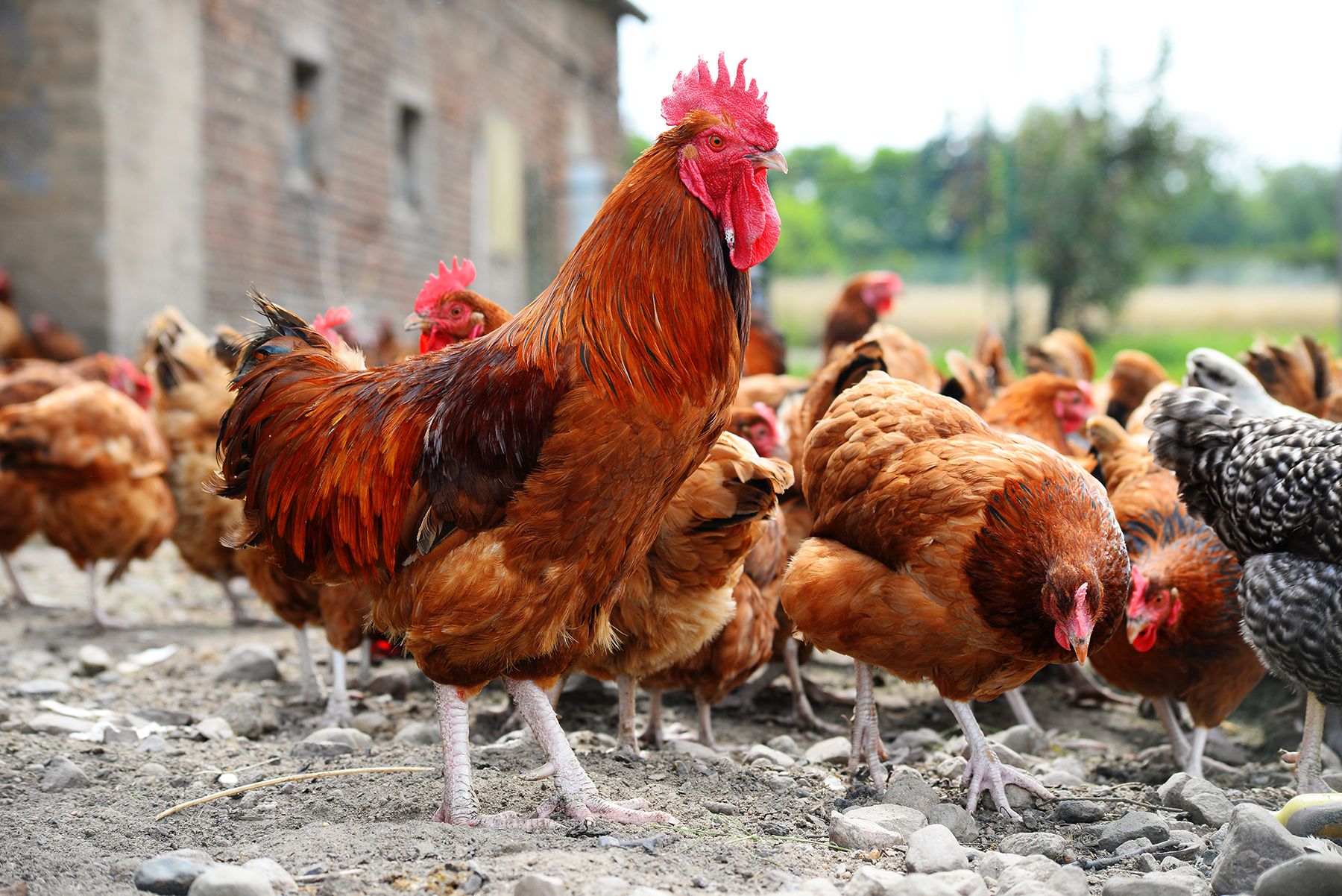
How to Condition Your Flock for Poultry Shows
Preparing birds for the show pen takes more than a quick wash and a tidy cage. Judges assess breed type, feather quality, condition, colour, legs, combs and overall presentation, so good results begin weeks before the event. A calm, healthy bird will always present better than one that has been rushed or stressed.
Show preparation is useful for chickens, bantams, ducks, geese, turkeys, quail and other exhibition poultry. The exact routine varies by breed, age and class, but the essentials remain consistent: balanced nutrition, clean housing, regular handling, careful grooming and sensible transport.
Australian exhibitors also need to plan around local conditions. A summer show in Queensland can bring intense heat, while a winter event in Victoria or Tasmania may require protection from cold and damp. The distance between properties and major events means travel planning is just as important as grooming.
Start by checking the schedule, breed standard and entry requirements well ahead of time. Agricultural shows, poultry clubs and specialty breed events may have different cage sizes, arrival windows and health declarations. A little preparation prevents a last-minute dash and helps your birds arrive looking settled and bright.
Select Suitable Birds Early
Choose birds with strong breed characteristics, sound structure and a naturally calm temperament. Look for correct body shape, leg placement, feather pattern, comb type and colouring. Avoid selecting solely on size or personality, because a friendly bird may still lack the features required for its class.
Inspect potential entries several weeks before the show. Check the beak, eyes, nostrils, feet, toenails, vent and skin for abnormalities. Birds with injuries, respiratory signs, parasites or poor condition should remain at home. For less familiar exhibition species, a resource such as this chukar care guide can help clarify habitat and feeding needs before you begin conditioning.
Keep a record of each bird’s identification, class, sex and age. Some Australian shows separate pullets, cockerels, hens, roosters and bantams, while others use breed-specific schedules. Confirm the rules with the organising club rather than relying on last year’s catalogue.
Build Condition With Balanced Feeding
A show bird should be well-fleshed and energetic without becoming overweight. Feed a complete ration suited to the species and life stage, with clean water available at all times. Small, measured additions of greens or suitable treats can encourage appetite, but excessive corn, scraps or high-energy extras may make birds soft, heavy or uneven in condition.
Begin any feed changes gradually. Sudden changes can affect droppings, feather growth and behaviour just before judging. In hot areas such as inland New South Wales or regional Queensland, check drinkers several times daily and offer shade with good airflow. Electrolytes may be useful during stressful heat or transport, but they should support—not replace—fresh water.
Establish A Handling Routine
Handle each bird calmly and consistently. Lift it with both hands, support the breast and keep wings controlled without squeezing. Practise placing the bird on a table, examining the head and feet, opening the wings and checking the tail. Short sessions build confidence without exhausting the bird.
Use the same quiet approach used at the show. Sudden grabbing, chasing or loud dogs near the pen can make a bird defensive. A few minutes of regular practice is especially valuable for bantams, waterfowl and nervous breeds. Birds that stand naturally, move freely and tolerate inspection are easier for judges to assess.
Maintain Feathers, Feet And Skin
Inspect feather condition weekly and keep housing dry, clean and free from sharp wire. Replace damp litter promptly, particularly during wet periods in Victoria, Tasmania and coastal New South Wales. Dust bathing helps birds maintain feathers, while appropriate parasite control protects the skin and plumage.
About a week before the event, trim overgrown toenails carefully and clean dirt from feet and legs. Do not make dramatic changes close to judging. Bathe only when necessary, using a mild poultry-safe product, then dry the bird completely in a warm, draught-free place. Allow enough time for natural oils and feather texture to return.
Prepare For Travel And Biosecurity
Use a clean, well-ventilated carrier with a non-slip floor and enough room for the bird to stand naturally. Avoid overcrowding, direct sun and stagnant air. For long Australian journeys, travel during the cooler part of the day, make planned checks and carry spare bedding, water and feed.
Review the event’s health rules before leaving home. Depending on the state and venue, organisers may request declarations, leg bands, vaccination information or evidence of sound health. Never take a bird that has been exposed to illness. Clean and disinfect carriers, footwear and equipment after returning, then quarantine new or returning birds where practical.
Give The Final Week A Clear Routine
The final week should be calm and predictable. Keep birds in clean quarters, protect them from wet weather and predators, and continue light handling. Avoid introducing new supplements, unfamiliar feed, major housing changes or intensive exercise. Check comb colour, droppings, appetite and alertness each day.
Pack show supplies in advance: entry paperwork, identification, feed, water containers, towels, disinfectant, spare bedding and a secure carrier. For breeders travelling from areas around Perth, Adelaide or Melbourne, allow extra time for road delays and temperature changes. Good logistics preserve the condition you have worked to build.
| Area | Practical timing | What to check |
|---|---|---|
| Selection | 4–8 weeks before | Breed type, structure, health and class eligibility |
| Handling | Several weeks before | Calm response to lifting and examination |
| Feeding | Ongoing | Balanced ration, body condition and hydration |
| Grooming | 5–7 days before | Feet, nails, feathers and skin |
| Travel planning | 1–2 weeks before | Carrier, route, paperwork and venue rules |
| Final check | Evening before | Appetite, alertness, cleanliness and equipment |
Quality stock gives your preparation a stronger starting point. Breeders seeking well-raised birds or hatching eggs can explore Premium Poultry Breeds for healthy poultry handled with care and prepared for responsible keeping.
Give your flock a steady routine, monitor each bird as an individual and make welfare the priority throughout the process. With thoughtful conditioning, clean transport and careful presentation, your birds can enter the show pen confident, comfortable and ready to be judged on their best qualities.