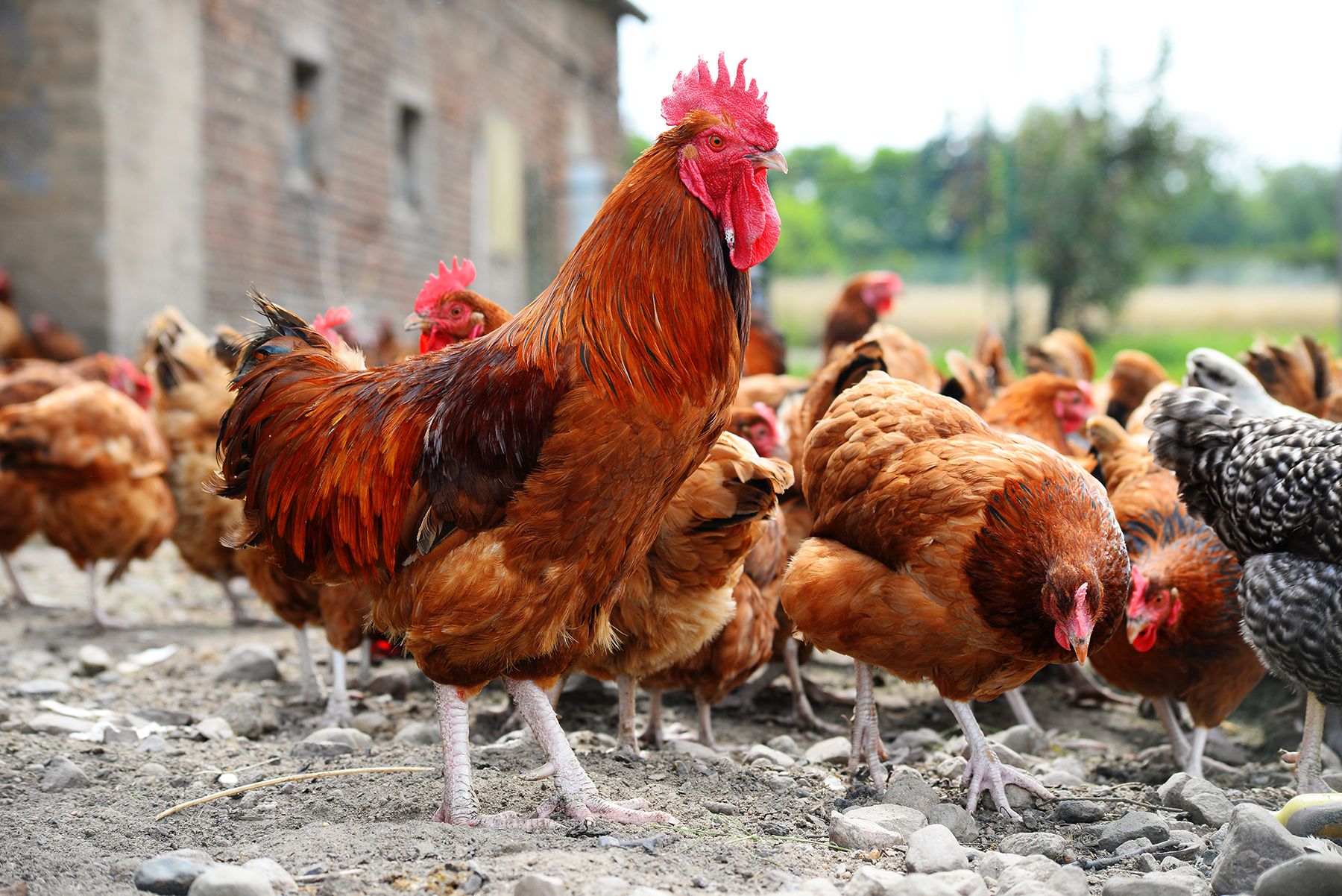
Selecting the best heritage turkey breed for your small farm
Heritage turkeys bring color, character, and useful genetic diversity to a small farm. Unlike broad-breasted commercial strains, these traditional varieties are valued for natural mating, active foraging, flavorful meat, and a slower growth pattern. The right choice depends on your land, climate, market, and willingness to manage a longer production cycle.
A good turkey breed should fit your farm’s daily routine as well as its long-term goals. Some birds are calm and dependable for beginners, while others are prized for distinctive plumage or exceptional conservation value. Before ordering poults or hatching eggs, consider how much space, shelter, feed, and time you can provide.
What makes a turkey breed heritage
Heritage turkeys are traditional breeds that retain traits commonly found before modern commercial production became dominant. Most can mate naturally, live actively outdoors, and maintain a more balanced body shape than heavily selected meat birds. They generally mature later, so they require patience and careful nutrition.
These turkeys are often strong foragers and can supplement their diet with insects, seeds, grass, and fallen fruit. However, pasture does not replace a complete ration, especially for growing poults, breeding hens, and birds facing cold weather. Healthy stock, clean water, secure fencing, and dry housing remain essential.
Popular breeds for small-scale keepers
Bourbon Red is a versatile choice for homesteads. Its reddish-brown feathers and cream markings are attractive, while its moderate size suits families that do not want extremely large carcasses. The breed is often considered practical for meat production, breeding projects, and exhibition.
Narragansett turkeys have striking gray, black, and white plumage and are known for their traditional farmstead appearance. They tend to be active, alert, and capable foragers. Slate turkeys offer a range of blue-gray shades, although color can vary, making them appealing to keepers who value visual diversity.
Royal Palm is smaller and especially popular among hobby farmers, ornamental poultry keepers, and breeders. Its white body with black edging creates a dramatic pattern. It may be less suitable when maximum meat yield is the priority, but its manageable size can be an advantage on compact properties.
Matching breed size to your farm
Turkey size affects housing, fencing, handling, feed costs, and processing arrangements. A large heritage tom may produce an impressive table bird, yet smaller households may prefer a medium or compact breed that reaches a more convenient finished weight. Consider the number of people you feed and whether you sell whole birds, portions, breeding stock, or hatching eggs.
| Heritage breed | Typical appeal | Useful fit for a small farm | Points to consider |
|---|---|---|---|
| Bourbon Red | Attractive markings and balanced size | Family meat production and breeding | Needs time to reach maturity |
| Narragansett | Classic appearance and active nature | Pastured homesteads and mixed flocks | Secure fencing is important |
| Royal Palm | Compact body and ornamental plumage | Small acreage and hobby breeding | Lower meat yield than larger breeds |
| Slate | Unusual blue-gray coloring | Conservation and exhibition projects | Feather color may vary |
| Black Spanish | Historic value and active foraging | Heritage breed enthusiasts | Can be more alert and flighty |
A small acreage does not automatically require the smallest turkey. Good pasture management, rotational areas, and appropriate shelters can support larger birds, but overcrowding quickly creates muddy ground, parasite pressure, and competition at feeders. Plan for adult space rather than relying on the size of young poults.
Temperament and climate matter
Temperament influences how easy birds are to move, examine, and protect. Calm birds are usually simpler for first-time keepers, especially when children or frequent handling are involved. Active breeds can thrive outdoors, but they may need taller fencing and more deliberate flock management.
Weather tolerance depends on housing and local conditions as much as genetics. Turkeys need ventilation without drafts, dry bedding, shade during hot weather, and protection from prolonged rain. In cold regions, a sheltered roost and clean, dry footing are particularly important. In warm climates, airflow and access to shade help reduce heat stress.
If your farm also raises chickens, ducks, or other poultry, biosecurity deserves special attention. Turkeys can be vulnerable to blackhead disease, which may be carried by chickens without obvious illness. Separate housing, dedicated footwear, clean equipment, and thoughtful pasture rotation can reduce preventable health risks.
Choosing between poults and hatching eggs
Day-old poults provide a straightforward way to establish a flock when reliable brooding equipment is available. They need stable warmth, dry bedding, protection from drafts, and frequent observation during their first weeks. Gradually reducing brooder temperature while watching behavior is more useful than relying on a thermometer alone.
Hatching eggs suit keepers who already have an incubator or a broody hen and want to develop a breeding program. They require careful storage, stable incubation conditions, and patience with hatch timing. Fertility, handling, and shipping conditions all influence results, so source eggs from a seller that emphasizes quality control and careful handling.
For farms expanding into several poultry species, healthy heritage turkey chicks can simplify the first step. A reputable supplier should provide clear information about age, breed identity, health practices, and shipping procedures so you can prepare housing before arrival.
Building a sustainable breeding flock
A breeding flock should be selected for more than appearance. Look for sound legs, alert behavior, good body condition, strong growth, and freedom from obvious defects. Keep records of parentage, hatch dates, fertility, hatch rates, and health observations. These notes make it easier to improve your flock over several seasons.
Natural mating is one of the defining strengths of heritage turkeys, but flock ratios still matter. Too many toms can cause conflict and stress hens, while too few hens may limit genetic diversity. Provide enough room for birds to avoid one another and introduce new stock gradually.
Feed breeding birds a balanced ration rather than overloading them with energy. Excessive weight can reduce fertility and mobility. Fresh water, mineral access where appropriate, and regular parasite monitoring support productive adults and vigorous poults.
A practical selection checklist
Before committing to a breed, evaluate the realities of your land and your intended market. The most attractive turkey is not necessarily the easiest one for your conditions.
- Choose a mature size that matches your freezer, customers, processing options, and available housing.
- Select a calmer breed if frequent handling or family participation is important.
- Favor active foragers when pasture and secure outdoor space are central to your management plan.
- Confirm that the breed’s climate needs fit your shelter, shade, winter protection, and fencing.
- Buy from a source that prioritizes healthy stock, accurate breed information, and reliable shipping.
If you plan to diversify your homestead, add species gradually and keep age groups separate when possible. For example, juvenile quail can provide a compact egg or meat enterprise without requiring the same acreage as a turkey flock, but they still need species-appropriate housing and biosecurity.
The best heritage turkey breed for your small farm is the one that aligns with your goals, resources, and management style. Review breed size, temperament, climate suitability, and breeding potential before placing an order. Explore carefully selected poultry stock and hatching options from Premium Poultry Breeds to begin with birds suited to a healthy, productive homestead flock.