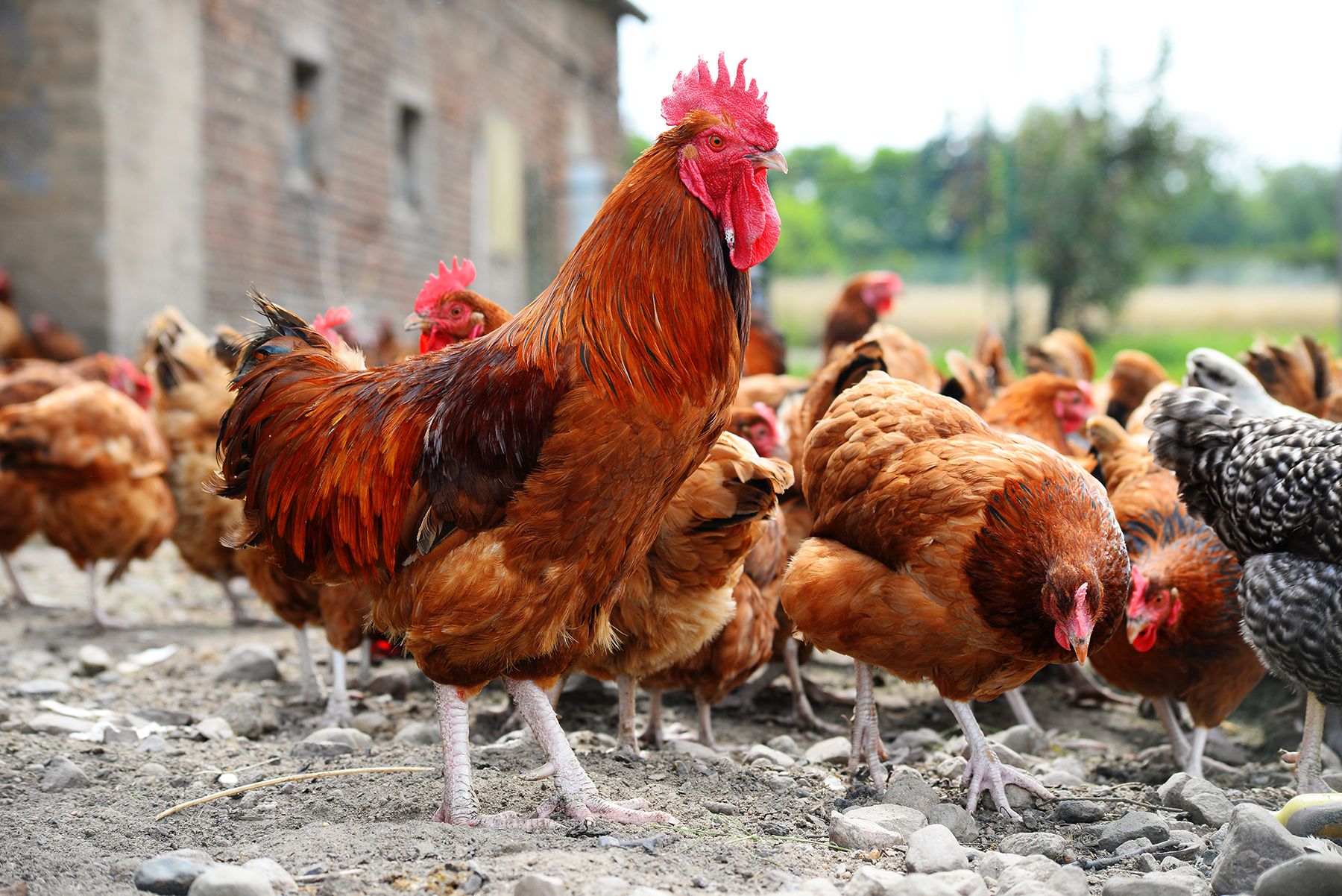
Selecting the right broiler breed for pastured poultry
Pastured poultry can produce flavorful meat while giving birds access to sunlight, fresh vegetation, and room to move. The breed you choose determines how well that system works. A fast-growing commercial broiler may reach market weight quickly, while a slower-growing strain can make better use of forage and tolerate daily ranging.
The best choice depends on more than growth rate. Climate, predator pressure, processing age, feed costs, available shelter, and the amount of labor you can provide all influence results. A suitable broiler should fit your land and management style rather than simply promise the largest breast yield.
For homesteaders, small farms, and poultry enthusiasts, selecting healthy chicks from a dependable source is equally important. Strong genetics, careful handling, and reliable shipping give a flock a better start before it ever reaches the pasture.
What makes a broiler suitable for pasture
Pasture-friendly broilers generally have good leg strength, active foraging behavior, and a growth rate that allows their skeleton and organs to develop alongside their muscle. Extremely fast-growing birds can struggle with mobility or heat when they are encouraged to eat freely and reach heavy weights quickly.
Slower-growing meat chickens tend to walk farther, search through grass, and remain active later in the production cycle. They still need a balanced ration because pasture cannot supply all the protein, energy, vitamins, and minerals required for efficient growth. Grass, insects, and seeds supplement feed rather than replace it.
Body size also matters. A bird bred for a very large breast may be less agile than a compact, athletic strain. For mobile pens and rotational grazing, choose birds that can move comfortably between shelter, feed, water, and fresh ground.
Match the breed to your production goals
Cornish Cross remains popular for its rapid growth, efficient feed conversion, and broad carcass. It can work on pasture when carefully managed, especially if birds are processed young and given enough space. However, constant access to high-energy feed may lead to excess weight and reduced activity.
Red Ranger, Freedom Ranger, and similar red-feathered hybrids often provide a useful middle ground. They mature more slowly, forage more actively, and generally offer better mobility than conventional white broilers. Their feed efficiency may be lower, but their behavior is often better suited to a pasture-based system.
Heritage and dual-purpose breeds, including Jersey Giant, Plymouth Rock, and certain Sussex lines, can be attractive for small-scale production. They usually take longer to finish and may produce a less uniform carcass, yet they can bring hardiness, natural reproduction, and greater flock versatility.
Compare growth, ranging, and carcass traits
No breed wins in every category. A high-performance hybrid may be economical when feed and processing speed are priorities, while a slower-growing bird may better support welfare-focused or direct-to-consumer farming. Consider the finished size your customers prefer before choosing chicks.
Availability varies by hatchery and season, so ask about expected weight, age at processing, parent stock, and recommended feed program. When ordering live poultry or hatching eggs, confirm shipping policies and handling standards as well as breed characteristics.
| Broiler type | Typical growth pace | Pasture behavior | Main advantage | Key consideration |
|---|---|---|---|---|
| Cornish Cross | Fast | Moderate with careful management | Excellent feed efficiency and breast yield | Needs close monitoring of weight, heat, and mobility |
| Red Ranger or Freedom Ranger | Moderate | Active | Good balance of ranging and meat production | Requires more feed and time than Cornish Cross |
| Heritage meat or dual-purpose | Slow | Often active | Hardiness, flock versatility, and traditional flavor | Smaller or less uniform carcasses |
| Colored slow-growing hybrid | Moderate to slow | Usually strong | Better activity and visual appeal for farm sales | Performance varies by strain |
For farms marketing “pasture-raised” poultry, breed selection should support the entire system rather than serve as a label alone. Birds need genuine outdoor access, clean ground, shade, protection from predators, and enough room to move naturally.
Manage feed, shelter, and pasture rotation
Broilers need a complete ration from brooding through finishing. Chicks require a properly formulated starter, followed by grower and finisher feed according to the strain and processing schedule. Restricting feed without professional guidance can create uneven growth and nutritional deficiencies.
Mobile shelters help distribute manure and reduce damage to one area. Move pens before vegetation is stripped bare, and place drinkers where they remain clean and shaded. In hot weather, provide airflow and avoid overcrowding, since heavy birds are especially vulnerable to heat stress.
Pasture quality affects behavior and hygiene, but it does not eliminate biosecurity needs. Clean equipment between groups, isolate sick birds, and keep wild birds away from feed and water when possible. For farms also keeping other species, learning about guinea fowl for tick control can help with broader pasture planning, although guinea fowl should not be treated as a substitute for poultry health protocols.
Plan around climate and handling
A breed that performs well in a cool, dry region may need extra support in humid or hot conditions. Dark-feathered birds can absorb more solar heat, while fast-growing birds may overheat because of their size. Shade cloth, natural tree cover, cool water, and lower stocking density become essential during summer.
Winter production brings different concerns. Young chicks need dependable brooder temperatures, dry bedding, and protection from drafts. Once feathered, many robust strains tolerate cold well, but wet litter and wind exposure can still cause health problems.
Handling should be calm and consistent. Weigh a sample of birds weekly, watch how easily they walk, and remove any bird showing weakness or respiratory signs. Tracking growth lets you adjust processing dates before birds become too heavy for comfortable movement.
Build a practical flock plan
Start with a small group if you are testing a new broiler strain. Record feed use, mortality, average processing weight, pasture condition, and customer response. These figures are more useful than breed claims made without reference to your climate or management system.
A simple selection checklist can keep the decision focused:
- Choose a fast hybrid when efficient feed conversion and a short production cycle matter most.
- Choose a slower-growing colored strain when ranging, mobility, and outdoor activity are central goals.
- Choose heritage or dual-purpose birds when flock reproduction and long-term hardiness matter.
- Match stocking density and shelter design to the breed’s mature size and heat tolerance.
- Buy from a supplier that emphasizes healthy stock, careful handling, and dependable delivery.
The right broiler is the one your land, labor, feed budget, and customers can support consistently. A modestly sized bird that remains healthy and active may deliver better results than a heavier strain that requires constant intervention.
Explore live poultry and hatching eggs from Premium Poultry Breeds to find stock suited to your farm plans. With thoughtful breed selection and attentive pasture management, your flock can produce quality meat while making outdoor access a practical part of everyday poultry keeping.