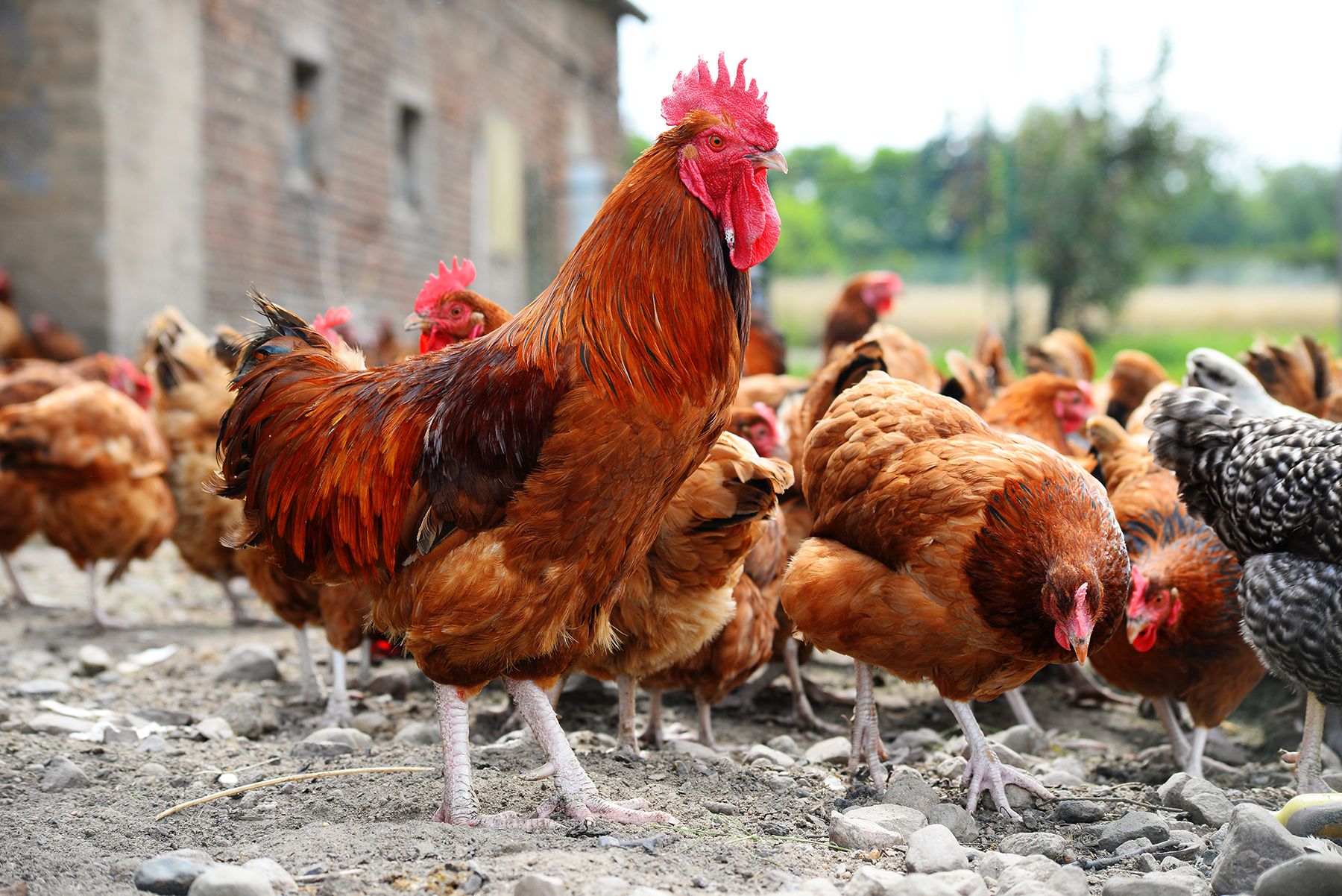
How to introduce new birds to an existing flock without stress
Adding new poultry can improve genetic diversity, expand egg production, or bring fresh color and character to a homestead. The process becomes much easier when flock integration is treated as a gradual adjustment rather than a single release into the coop.
Chickens, ducks, geese, turkeys, quail, and other birds each have different social habits and housing needs. Even birds of the same species may react defensively when an unfamiliar newcomer enters an established territory. Careful preparation protects the new arrivals and helps preserve the stability of the resident flock.
For homesteaders working with limited space, choosing compatible breeds is especially important. A guide to small homestead breeds can help match temperament, size, and production goals before birds are purchased.
Start with quarantine and health checks
Keep new birds separate from the established flock for at least 30 days whenever possible. A clean, secure isolation pen allows you to watch appetite, droppings, breathing, activity, feather condition, and general behavior without exposing resident birds to potential illness.
Quarantine is important even when birds appear healthy. Some respiratory diseases, parasites, and infections may have an incubation period or produce subtle symptoms at first. Use separate feeders and drinkers, handle the isolated birds after caring for the main flock, and wash footwear and equipment between areas.
A veterinarian or experienced poultry health professional can advise on testing and treatment where local regulations or flock history make that necessary. Do not rush this stage simply because the new birds seem energetic.
Prepare a calm transition area
Before the first introduction, inspect the coop and run for crowding, sharp edges, weak fencing, and places where a bird could become trapped. Add extra feeders and drinkers so timid birds can eat and drink without competing directly with dominant flock members.
Create several visual barriers with clean crates, low panels, branches, or purpose-built shelters. These give birds space to retreat without creating dead ends. More floor area and multiple escape routes reduce chasing and allow the flock to establish distance naturally.
Match birds carefully by species, age, and size. Large turkeys or geese may injure smaller poultry through forceful behavior, while bantams can struggle to compete with standard-size chickens. Housing incompatible species separately is often safer than trying to force a mixed flock.
Let the birds see each other first
After quarantine, place the new birds in a secure pen beside the resident flock. They should be able to see, hear, and smell one another through wire mesh without having direct access. This “look but do not touch” stage may last several days or longer, depending on the birds’ behavior.
Watch for relaxed feeding, normal dust bathing, and calm movement along the shared boundary. Repeated charging at the divider, frantic pacing, or persistent vocal distress means the birds need more time. Moving the pens slightly farther apart can reduce pressure while keeping the groups familiar with one another.
Introduce birds during daylight, when the flock is active and there is enough time to observe them. Avoid combining groups immediately before nightfall, during severe weather, or when the coop is already crowded.
Choose the safest integration method
A supervised meeting in a spacious run is usually easier to manage than releasing newcomers directly into a small coop. Scatter a small amount of feed or provide enrichment across the area to encourage movement and reduce a tense gathering around one spot.
Brief pecking and posturing can be normal as the social order changes. Intervention is necessary when aggression becomes sustained or targeted, especially if one bird is cornered, bleeding, unable to reach food, or repeatedly knocked down.
| Situation | Recommended approach | Warning signs |
|---|---|---|
| Similar-size chickens | Begin with mesh separation, then use a supervised run | Relentless chasing or head pecking |
| Young birds joining adults | Wait until size and feathering offer protection | Adults blocking all food and water |
| Bantams joining standard chickens | Provide separate feeding points and escape spaces | Small birds hiding continuously |
| Ducks or geese joining chickens | Use species-appropriate water and roomy housing | Bullying, wet litter, or mating injuries |
| Turkeys joining other poultry | Consider separate housing and careful monitoring | Respiratory concerns or major size conflict |
Manage the first nights carefully
Once daytime interactions remain mostly calm, allow the groups to share the coop at night only if the sleeping area has enough room and ventilation. Some keepers place newcomers on the roost after darkness, but this should never replace quarantine or daytime supervision. Birds still need to be checked at dawn, when competition resumes.
For the first week, inspect the flock several times daily. Look beneath feathers for wounds, confirm that every bird is eating and drinking, and monitor droppings and energy levels. A bird that stays isolated, loses weight, or shows breathing changes should be separated promptly.
Keep routines consistent. Feed at regular times, maintain dry bedding, and avoid making other major changes while the social hierarchy is settling. Calm handling helps reduce stress and makes unusual behavior easier to identify.
Build a routine for long-term harmony
Successful flock integration depends on ongoing management rather than a single successful meeting. Provide enough space for the total number of birds, keep several feeding stations available, and clean water containers frequently. Crowding is a common cause of bullying, feather damage, and poor growth.
Use these practical safeguards during the transition:
- Quarantine every new arrival before shared housing.
- Add extra feeders, drinkers, shelters, and escape routes.
- Introduce birds gradually through a secure divider.
- Supervise direct contact and separate injured or relentlessly bullied birds.
- Check health, weight, appetite, and droppings for at least the first week.
Breeders and homesteaders should also record where each bird came from, when it entered quarantine, and any symptoms or behavior changes observed. Good records support better breeding decisions and make future additions easier to manage.
When new poultry comes from a reputable source, careful handling before and during transport gives the integration process a stronger start. After arrival, patience, clean housing, and attentive observation are the most effective tools for creating a settled flock.
Explore healthy chicks, mature birds, heritage breeds, bantams, ducks, geese, turkeys, quail, pheasants, and peafowl at Premium Poultry Breeds, and choose your next additions with a safe transition plan in place.