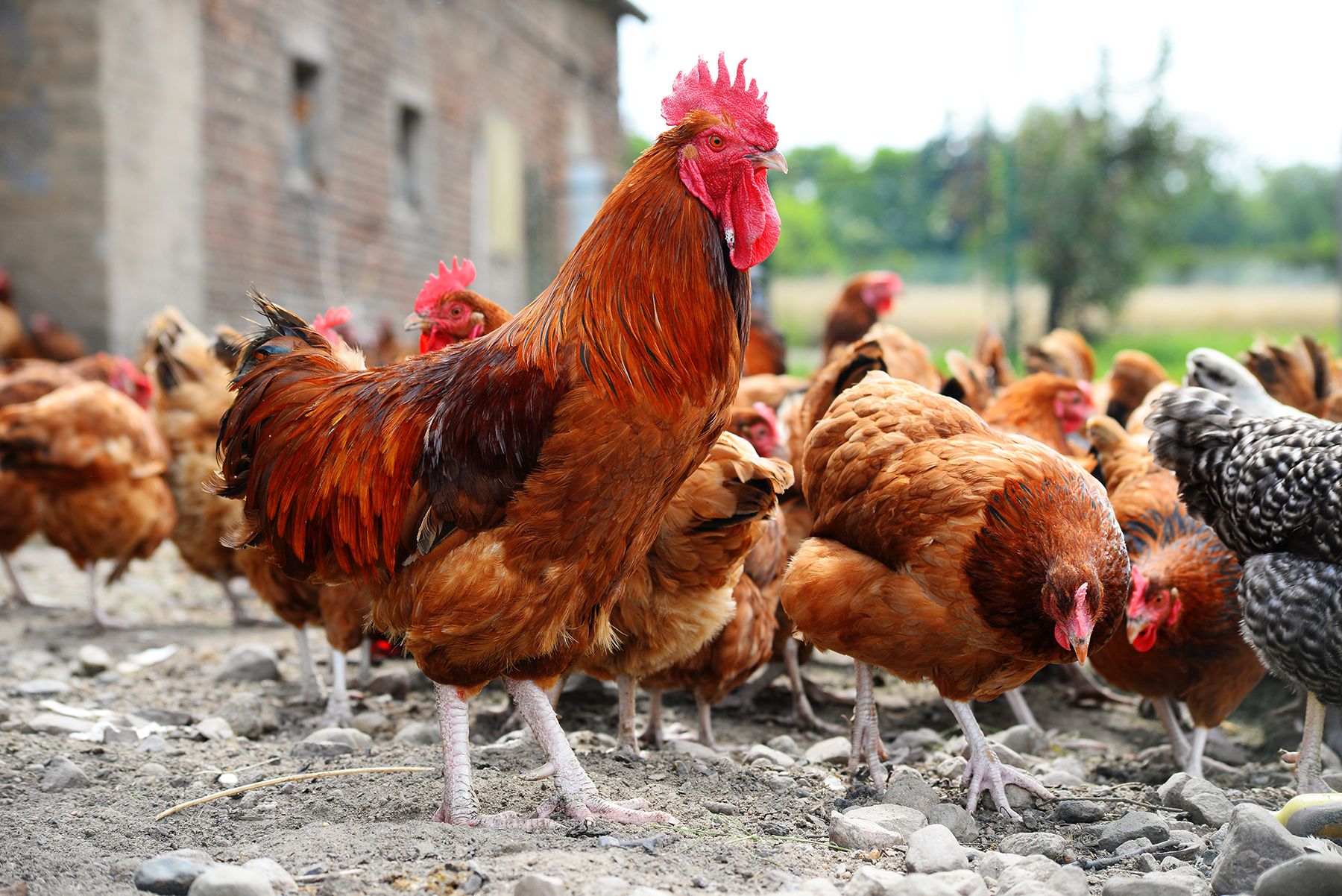
Breeding Chickens for Specific Feather Colors
Breeding chickens for a chosen feather color combines genetics, careful recordkeeping, and patient selection. A striking flock may display solid black, blue, lavender, barred, mottled, laced, penciled, or richly patterned plumage, but each appearance can involve several genes working together.
The most reliable results come from setting a clear color goal before pairing birds. Decide whether you want a recognized variety, a stable backyard color, or an experimental line. Then select healthy birds with strong structure, good fertility, calm behavior, and the feather traits closest to your target.
Color should never be the only breeding priority. Good body condition, clean legs, sound feet, parasite control, and responsible flock management create the foundation for predictable results. Premium Poultry Breeds supports this same emphasis on healthy stock and careful handling for breeders and poultry keepers.
Start With A Defined Color Goal
Terms such as blue, splash, chocolate, silver, and lavender describe genetic effects rather than simple paint-like shades. A blue chicken may range from pale slate to deep steel gray, while a black bird can show green sheen, sootiness, or unwanted leakage. Write down the exact appearance you want, including body color, pattern, leg color, and whether the neck and tail should match.
Breed standards can also affect your goal. A color accepted in one breed may be considered incorrect in another because the pattern, comb type, body shape, or shade does not conform to the standard. Studying breed references and photographing your own birds under consistent lighting will help distinguish genuine color differences from shadows or seasonal fading.
Learn The Main Color Genes
The E locus influences the distribution of black pigment and helps determine whether a bird appears solid black, birchen, wheaten, or patterned. The silver and gold genes influence red and yellow pigment, with silver being sex-linked in chickens. This makes certain pairings useful for producing predictable sex-linked color outcomes, although the full result still depends on other genes.
Blue dilution is incompletely dominant. One copy often changes black to blue, while two copies can produce splash, a much lighter pattern with irregular darker flecks. Lavender is generally recessive, so both parents must carry the gene for it to appear in offspring. Barring, mottling, and other pattern genes require separate planning and may be difficult to evaluate until chicks mature.
Match Pairings To Expected Results
A breeding chart makes each pairing easier to understand. If you mate a blue bird with a blue bird, offspring may include black, blue, and splash chicks. A black bird paired with a blue bird commonly produces black and blue offspring. The exact proportions are expectations rather than guarantees because small hatches can differ significantly from statistical averages.
Recessive colors require special attention. Two visibly non-lavender birds may produce lavender chicks if both carry lavender, while a lavender bird crossed with a non-carrier usually produces carriers rather than lavender offspring. Keep track of parents, hatch dates, chick colors, and adult outcomes so hidden genes become easier to identify over several generations.
| Color or Pattern Goal | Typical Genetic Consideration | Useful Pairing Approach | Selection Note |
|---|---|---|---|
| Blue | One copy of blue dilution | Blue × black for blue and black offspring | Avoid selecting color without preserving body type |
| Splash | Two copies of blue dilution | Blue × blue or splash × blue | Mark darker flecking and overall evenness |
| Lavender | Recessive lavender gene | Lavender × lavender for consistent expression | Confirm fertility and vigor within the line |
| Silver | Sex-linked silver/gold relationship | Choose parents based on sex and intended offspring | Evaluate leakage in hackles and saddle feathers |
| Barred | Sex-linked barring gene | Use carefully documented barred pairings | Check bar width, clarity, and breed standard |
| Mottled | Recessive pattern gene | Mottled × mottled after establishing carriers | Pattern often becomes clearer after juvenile molt |
Select Chicks Through Multiple Stages
Chick down can suggest future color, but it is not always a dependable predictor. Dark down may develop into blue, black, or patterned plumage, and some chicks show little indication of their adult appearance. Take notes at hatch, during juvenile feathering, after the first molt, and once the bird reaches breeding age.
Select more than one promising bird whenever possible. A single attractive chicken may carry unwanted traits or fail to reproduce well. Compare siblings for color clarity, feather quality, conformation, growth, temperament, and fertility. Remove birds with serious structural faults from the breeding program, even if their color is exceptional.
Manage Incubation And Breeding Records
Accurate records are essential when several color genes are present. Use leg bands or separate pedigree pens, and record each mating, egg collection date, hatch result, chick color, and later evaluation. This prevents accidental pairings and helps reveal whether a bird is a visual example, a carrier, or genetically unsuitable for the goal.
Egg quality and storage also affect the number of chicks available for selection. Clean, well-formed eggs from vigorous hens provide a stronger starting point; review these quality hatching eggs when expanding a carefully planned color project. For incubation, stable temperature, appropriate humidity, ventilation, and gentle handling matter more than trying to compensate for poor conditions later. The principles discussed in this guide to incubation temperature control also help reinforce the importance of consistency, even though it focuses on turkey eggs.
Avoid Common Color-Breeding Mistakes
Breeding two birds that look alike does not always produce uniform offspring. Hidden recessive genes, sex-linked inheritance, dilution combinations, and modifiers can create unexpected shades or patterns. Treat surprises as useful genetic information, then update your breeding records instead of discarding the entire plan.
Another mistake is selecting for color before health. Narrow breeding can reduce fertility, hatchability, or vigor if the gene pool becomes too limited. Keep several related lines when possible, introduce unrelated stock thoughtfully, and assess each generation for robust growth and reproductive performance.
Practical Selection Priorities
Use the following priorities when building a flock for a specific color:
- Define the target shade and pattern in writing before choosing breeding pairs.
- Learn whether the trait is dominant, recessive, incompletely dominant, or sex-linked.
- Keep pedigrees and evaluate chicks again after juvenile feathering and the adult molt.
- Select for health, fertility, conformation, and temperament alongside appearance.
- Hatch enough chicks to make meaningful comparisons between siblings and pairings.
A successful color program develops gradually. Begin with healthy, well-documented birds, make one or two focused changes at a time, and preserve the best examples from each generation. Browse carefully selected poultry and hatching stock from Premium Poultry Breeds to find a sound foundation for your next breeding project, then track every result as your flock’s color genetics become clearer.