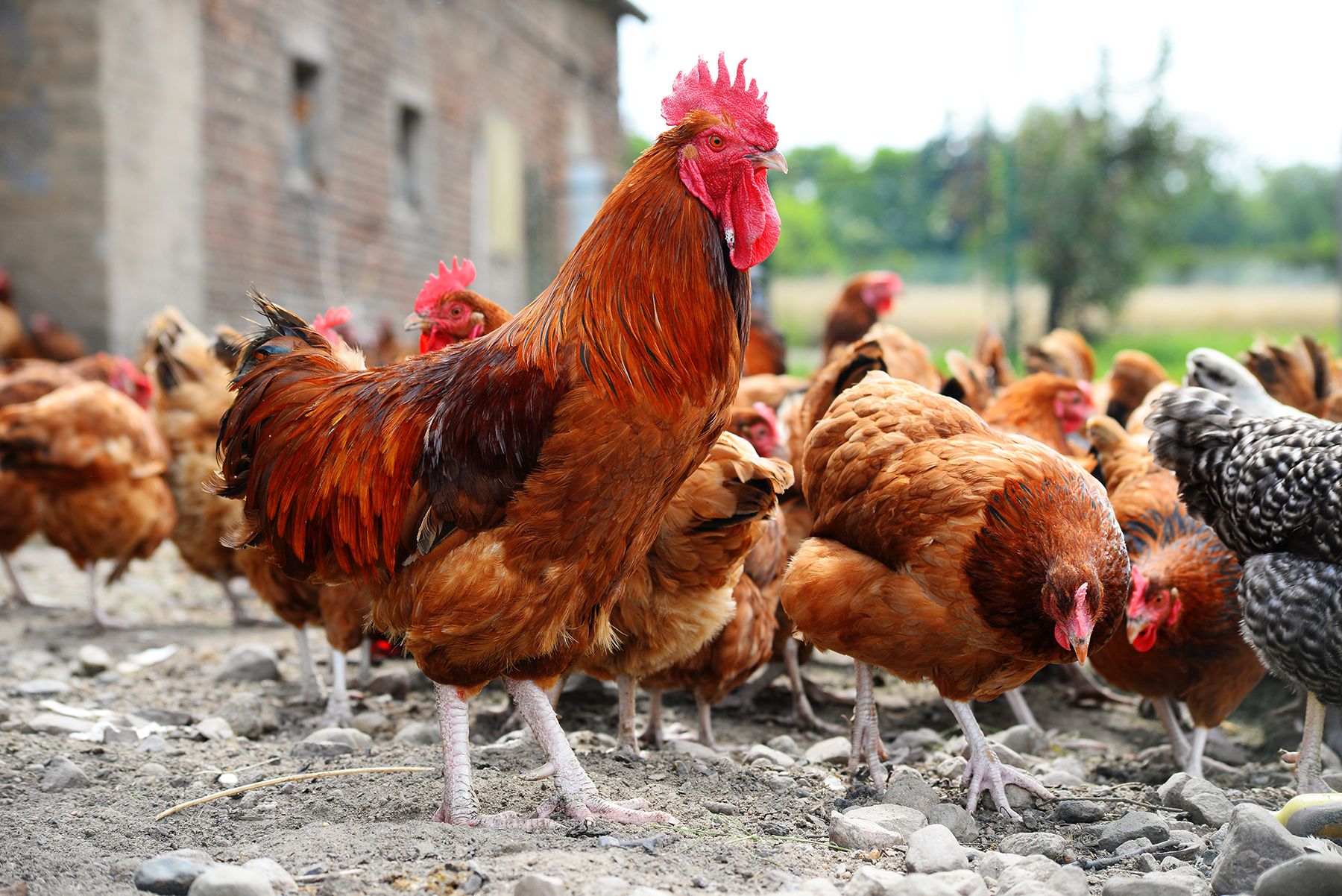
Understanding Broodiness In Heritage Chickens
Broodiness is the natural drive that causes a hen to stop laying, settle on a clutch and hatch chicks. This instinct remains especially noticeable in heritage chicken breeds, many of which retain maternal behaviours that have been reduced in highly selected commercial layers.
For Australian keepers, a broody hen can be a valuable asset for producing replacement pullets or preserving a rare bloodline. She can also create management challenges during a hot Queensland summer, a cool Tasmanian winter or a busy suburban backyard in Sydney or Melbourne. Understanding the signs and planning suitable care helps protect both hen and hatchlings.
What Broodiness Means
A broody hen usually becomes focused on one nesting place. She may sit for most of the day, puff out her feathers, growl or peck when approached, and leave only briefly to eat, drink and defecate. Her breast feathers can loosen so warm skin sits directly against the eggs.
Hormonal changes cause laying to slow or stop. Broodiness is not an illness, although a hen that remains inactive for too long may lose condition. Some heritage breeds become broody several times a year, while others show the tendency only occasionally. Individual temperament matters as much as breed reputation.
Heritage Breeds With Strong Maternal Instincts
Silkies, Cochins, Orpingtons, Sussex and many bantams are well known for settling reliably. Australorps may also brood, although individual hens vary. Traditional game-type and dual-purpose lines often retain stronger incubation behaviour than modern production hybrids selected primarily for high egg numbers.
A broody hen can hatch fertile eggs from chickens, ducks or even smaller poultry if the clutch is managed carefully, but mixed species require attention to incubation periods and chick safety. A large hen may accidentally crush tiny quail eggs, while ducklings need water arrangements that do not expose newly hatched chicks to drowning risks.
Supporting A Broody Hen
Move the hen, if possible, into a quiet broody pen with a secure floor, clean bedding, shade and easy access to feed and water. This prevents other hens from disturbing her or adding fresh eggs after incubation has begun. Marking the chosen eggs with a pencil helps identify any newly laid eggs that should be removed.
In Australia, ventilation is especially important in exposed metal sheds and enclosed nest boxes. During heatwaves in inland New South Wales or South Australia, provide deep shade, cool drinking water and airflow without creating a draught directly over the eggs. Avoid repeatedly lifting the hen during the hottest part of the day.
Incubation And Chick Care
Use clean, fertile eggs that are free from cracks and excessive dirt. A heritage hen commonly covers around eight to twelve average-sized chicken eggs, but the clutch should match her body size. Candling after about seven to ten days can reveal developing embryos and infertile eggs, though handling should be calm and brief.
Chicks need a dry, predator-proof area once they hatch. Provide chick starter, shallow drinkers and bedding that offers traction. In rural areas near Brisbane, Perth or regional New South Wales, snakes, rats, foxes and cats can pose serious risks, so a covered broody enclosure is safer than an open run. Keep newly hatched birds away from older flock members until they are strong and feathered.
When Broodiness Needs Intervention
Not every broody hen should be allowed to continue. If she is losing weight, appears weak, has pale comb tissue or refuses food and water, separate her for assessment. Check her body condition and droppings, and inspect the nest for mites, damp bedding or broken eggs. A hen straining, sitting unusually still or showing abdominal discomfort may need urgent veterinary attention; review these egg binding signs before attempting home care.
To break unwanted broodiness, use a bright, well-ventilated wire-bottomed recovery pen with food and water, removing access to nesting material. Never dunk a hen in cold water or expose her to harsh conditions. The hormone-driven behaviour may settle within several days, but some determined hens need longer and should be monitored for weight loss.
Planning A Heritage Flock In Australia
Broody hens are useful for small-scale breeding, but they are less predictable than an incubator. Record hatch dates, parentage and chick traits if you are maintaining a heritage line. This is valuable when buying or selling birds through Australian poultry clubs, local poultry swaps and rural supply networks.
Check council rules before keeping roosters or expanding a backyard flock, particularly in built-up parts of Adelaide, Melbourne and Sydney. Follow state biosecurity requirements when moving birds or eggs, and quarantine newcomers before introducing them. Heritage poultry keepers who also raise turkeys can compare maternal management with the breed information in this guide to Bourbon Red turkeys.
| Heritage type | Broodiness tendency | Useful role | Management note |
|---|---|---|---|
| Silkie | Very high | Natural incubation and small backyard flocks | Protect from wet conditions and bullying |
| Cochin | High | Hatching eggs and calm family flocks | Large body needs a suitably sized nest |
| Orpington | Moderate to high | Dual-purpose breeding | Monitor weight during long brooding periods |
| Sussex | Moderate | Meat, eggs and maternal lines | Often benefits from a quiet separate pen |
| Australorp | Variable | Productive heritage egg flock | Select breeding hens individually |
| Bantam breeds | High in many lines | Small clutches and ornamental breeding | Prevent chicks from reaching deep water |
Select healthy, well-handled birds and fertile hatching eggs from a reliable source when expanding your flock. Premium Poultry Breeds provides heritage chickens, bantams and other poultry for keepers seeking sound stock, careful handling and dependable delivery.
Choose a breed that suits your climate, space and breeding goals, then prepare a secure broody pen before the first hen settles. With appropriate care, a heritage hen can turn a carefully selected clutch into the next generation of a thriving Australian flock.