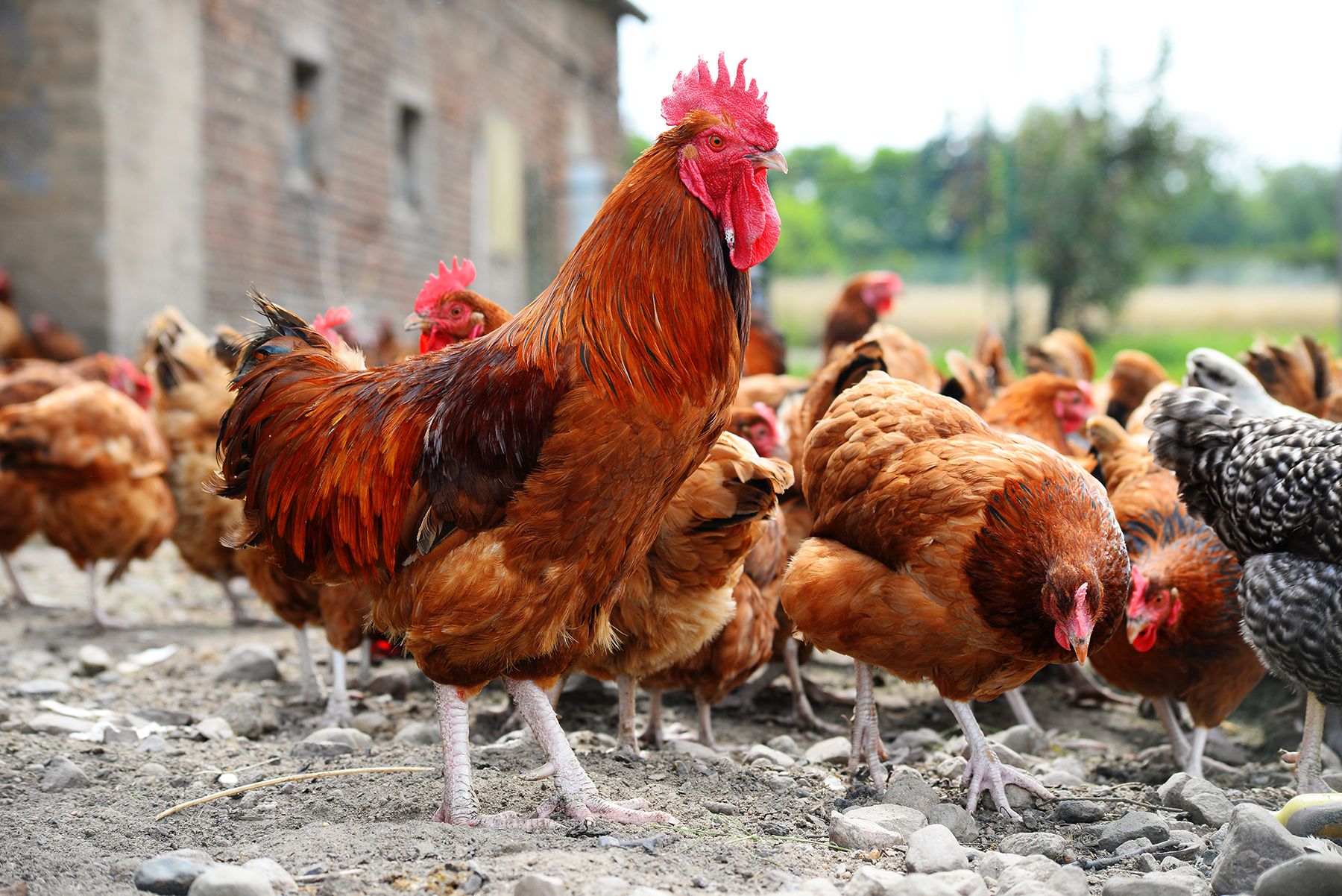
Speckled Sussex Chickens: A Friendly Family Flock Favorite
The Speckled Sussex is a heritage chicken admired for its calm personality, attractive plumage, and dependable backyard performance. Each feather is rich mahogany or chestnut, marked with neat white and black speckles that become more striking as the bird matures. This combination of beauty and practicality makes the breed appealing to families, smallholders, and first-time poultry keepers.
These chickens are large enough to provide useful eggs and occasional table meat, yet generally gentle enough for supervised interaction with children. They are active without being excessively flighty, and their curious nature makes them engaging residents in a home flock.
Appearance And Temperament
Speckled Sussex hens typically have a broad, sturdy body, red combs and wattles, clean legs, and warm reddish-brown eyes. Roosters are more substantial, with long flowing tail feathers and a confident but usually manageable presence. Their patterned feathers provide some camouflage in grass and woodland settings, although their distinctive coloring remains easy to recognize.
Temperament is one of the breed’s strongest family qualities. Most birds are friendly, inquisitive, and willing to approach people, especially when raised with regular, gentle handling. Individual personalities vary, and roosters require careful supervision, but well-managed hens are often among the easier large breeds to keep around children.
Egg Production And Family Use
Speckled Sussex hens are reliable layers of light brown to tinted eggs. A healthy hen may produce approximately 180 to 240 eggs annually, with output influenced by age, daylight, nutrition, weather, and strain. They are not always as prolific as specialized commercial layers, but their balanced performance suits families who value attractive birds and steady household egg production.
The breed also offers a useful dual-purpose profile. Its substantial frame can provide a respectable carcass, while the hens remain productive in the laying house. Families who want a flock that contributes eggs, garden companionship, and heritage appeal may find this versatility more practical than keeping separate egg and meat breeds.
Care Requirements For A Backyard Flock
Speckled Sussex chickens are adaptable, but their size means they need adequate space. A secure coop with dry bedding, good ventilation, and protection from drafts is essential. Provide sturdy roosts, accessible nest boxes, and enough room for every bird to move away from flockmates when it wants quiet.
A fenced run supports natural behaviors such as scratching, dust bathing, and foraging. These chickens enjoy ranging and can be active explorers, so garden boundaries may be necessary around seedlings and young plants. A balanced poultry ration, clean water, grit when appropriate, and occasional safe treats will help maintain body condition and feather quality.
| Family consideration | Speckled Sussex profile |
|---|---|
| Temperament | Generally calm, curious, and people-friendly |
| Egg color | Light brown to tinted |
| Typical annual laying | About 180–240 eggs |
| Space needs | Moderate to high because of a large body |
| Foraging ability | Strong and active |
| Cold tolerance | Good with dry shelter and proper ventilation |
| Best setting | Backyard flock, homestead, or mixed heritage group |
Why They Suit Children
A calm chicken can teach children patience, observation, and responsibility, and Speckled Sussex birds often respond well to quiet routines. Children can help scatter approved treats, collect eggs, refill shallow waterers, or observe flock behavior while an adult manages the more demanding chores.
Handling should always be supervised. Children should approach from the side rather than chase a bird, support the body with both hands, and wash their hands afterward. Even a gentle hen can scratch or flap when startled. Young children may enjoy watching and feeding the flock before they are ready to carry a bird safely.
Adding Them To A Mixed Flock
The Speckled Sussex usually integrates well with other calm, standard-sized breeds. Their confident nature helps them compete for food, but they are not typically aggressive when given enough feeder space, water access, and room to move. Introducing new birds gradually through a partitioned area can reduce stress and conflict.
Avoid combining them with very aggressive breeds or housing too many birds in a restricted enclosure. Bantams and smaller breeds may coexist successfully, but differences in body size and social rank should be monitored. A balanced flock is easier to manage when each bird has access to shelter, feeding stations, and escape areas.
Choosing Healthy Birds For Your Home
When selecting a family flock, look for bright eyes, clean nostrils, smooth feathers, steady movement, and an alert but relaxed attitude. Chicks should be active, evenly sized, and kept in clean, well-managed conditions. Mature birds should show good body condition without swollen joints, persistent coughing, or signs of external parasites.
Purchasing from a responsible source also matters for breed authenticity and shipping welfare. Families beginning with young birds can explore Speckled Sussex chicks and prepare a brooder before arrival. The brooder should be warm, dry, escape-proof, and supplied with chick starter feed and fresh water.
Building A Manageable Routine
A simple daily schedule keeps poultry care approachable. Check water and feed in the morning, observe the flock for changes in behavior, and secure the birds at dusk. Weekly tasks may include refreshing bedding, cleaning drinkers, inspecting the run, and checking feet and feathers.
Families should also plan for seasonal needs. Shade and extra water help during hot weather, while dry bedding and protection from wind support birds in winter. Keeping records of egg production, health observations, and hatch dates can help children participate while giving adults useful information about flock management.
For households seeking attractive heritage chickens with a gentle disposition, useful egg production, and a substantial all-purpose build, the Speckled Sussex is a strong choice. Prepare the housing first, involve children in age-appropriate care, and select healthy stock from a dependable poultry supplier to give the flock the best start.