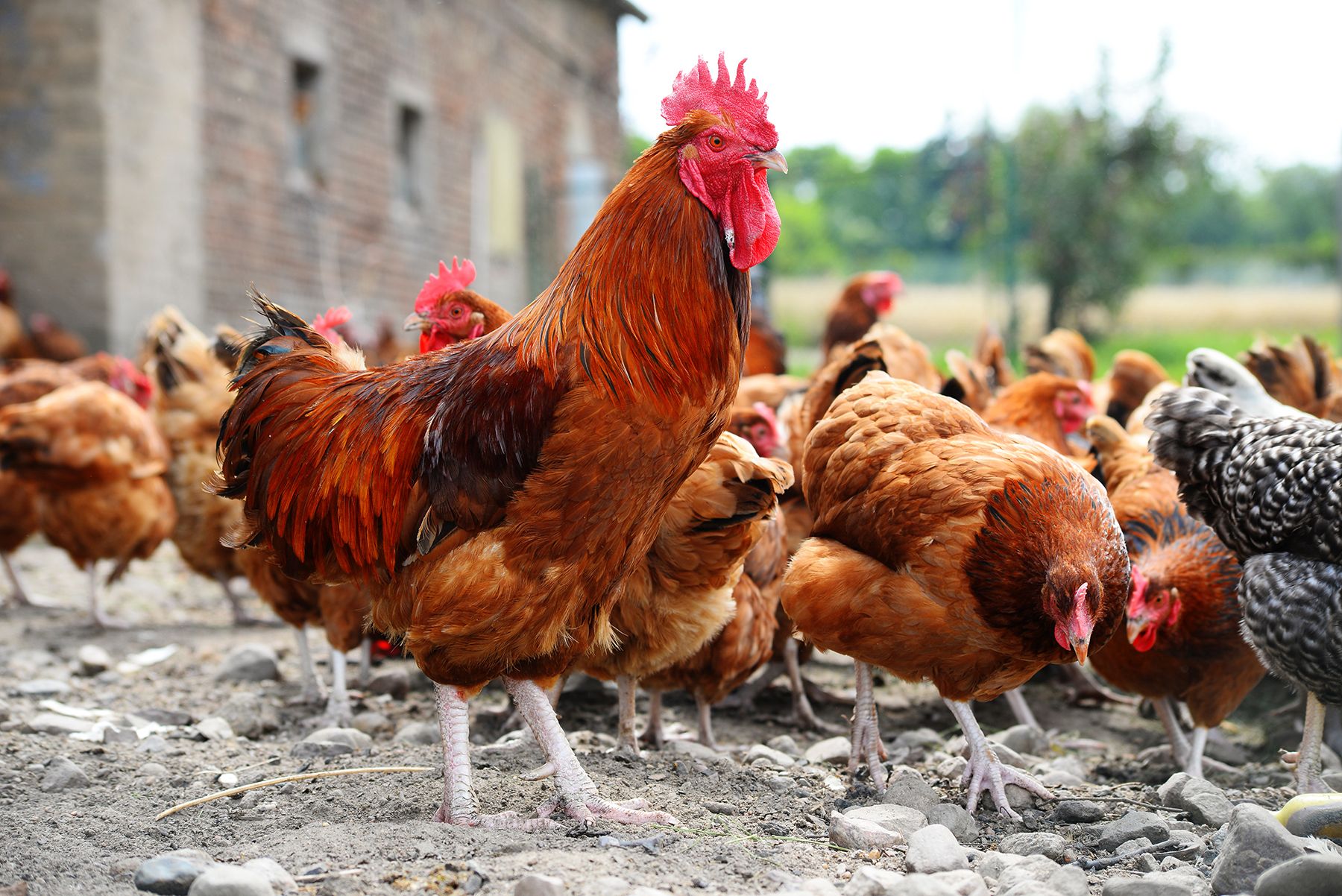
How Pheasant Cocks and Hens Behave
The commonly kept ring-necked pheasant shows one of poultry’s clearest contrasts between the sexes. A mature male, often called a cock, has glossy green and copper plumage, a long tapered tail, red facial patches and sharp spurs. A female, or hen, is mottled brown and less conspicuous. Different appearance is matched by distinct movement, sound and social habits.
These differences become clearest during the breeding season. Young birds can be difficult to sex, and their behaviour changes as they mature. A quiet juvenile may become a vocal adult, while a hen generally adopts a more cautious foraging style. Individual temperament, early rearing, weather and the presence of a mate also influence behaviour, so one call or movement should never be used to judge sex.
Recognising normal behaviour helps keepers prevent conflict while giving birds enough space and stimulation. It also improves the detection of illness: sudden silence, isolation or relentless pacing may indicate stress or poor health rather than a typical male or female trait. Watching a flock over several days provides more reliable information than observing it only during feeding.
Australian pheasant keepers range from hobby farmers and smallholders to breeders and exhibitors. Birds are commonly raised on rural properties and peri-urban blocks around Melbourne, Sydney, Brisbane, Adelaide and Perth. The species adapts well to many environments, but hot summers, secure housing, shade and strict attention to local poultry regulations remain essential.
Behaviour changes as birds mature
By their first breeding season, young cocks usually develop a more upright posture, stronger territorial habits and conspicuous displays. They may begin practising short struts, wing movements and sharp calls before their adult plumage is complete. Some males also become more vocal when hens are nearby, suggesting that breeding condition influences activity as much as age does.
Both sexes spend considerable time scratching through soil and leaf litter for seeds, insects and tender plants. They also dust bathe, bathe in shallow water, roost above ground and use dense vegetation for shelter. These shared activities can occupy much of the day, particularly when cooler weather allows prolonged foraging.
Cocks display, patrol and compete
Adult cocks are usually the louder and more visible birds. They produce repeated ringing or booming calls, especially at dawn, and use wingbeats, tail movements and body displays to communicate with other pheasants. During courtship, a male may circle a hen with an elevated tail, spread his wings and make short, rapid movements around her.
Cocks also establish dominance among themselves. Rival males may chase, peck or strike one another, particularly when breeding females are present. This competition is normal but can become dangerous in a small enclosure, so keeping more than one male requires generous space, visual barriers and several escape routes. Even confident birds can react aggressively near feed containers, nesting areas and their keepers.
Hens forage, hide and breed
Hens are generally quieter, less conspicuous and more inclined to remain close to cover. They often forage in shorter bursts, pause frequently to scan and move away when disturbed. A hen may freeze rather than run when startled, then disappear into dense shrubs. These behaviours can make her appear lethargic even when she is alert and healthy.
During breeding, a hen selects a sheltered nesting site, lays a clutch and incubates the eggs. She may become defensive if people or other pheasants approach the nest, particularly after the eggs have hatched. Breeding females need quiet cover, secure footing and protection from dominant cocks. A displaying male can interrupt nesting, so breeding groups often work best with a clear separation between male and female areas.
Pheasant keeping in Australian conditions
Dry summers make shade, ventilation and reliable drinking water especially important. Pheasants enjoy dust bathing and will dig into dry soil, but this behaviour must not be confused with excessive scratching caused by parasites. In urban areas around Melbourne, Brisbane and Perth, poultry runs also need strong protection from foxes, dogs, cats and escaping birds.
State and territory biosecurity requirements can differ from council by-laws. Some local councils regulate flock numbers, setbacks or the keeping of poultry on residential land. International purchases of live birds or hatching eggs may require permits, veterinary health documentation and quarantine arrangements. Owners should check current rules before ordering or moving birds, especially when disease controls are active.
Pheasant exhibiting is supported by specialist poultry clubs and agricultural shows across Australia. Owners preparing birds for this activity can use the store’s guidance on national poultry show preparation for advice on presentation, conditioning and transport. Short training sessions and familiar handling also reduce stress on exhibition day.
Match each bird to your flock
These are broad tendencies rather than guarantees, but the following comparison provides a useful guide when selecting and managing birds.
| Trait | Typical cock | Typical hen |
|---|---|---|
| Vocalisation | Often loud and repetitive, especially during breeding | Usually quieter, with occasional sharp alarm calls |
| Movement | Struts, displays and patrols a wider area | Forages close to cover with frequent pauses |
| Social behaviour | Establishes dominance and may compete over females | Often keeps more distance from dominant males |
| Breeding behaviour | Courts hens and may defend a mating area | Selects a nest, incubates the clutch and cares for chicks |
| Keeper observation | Watch for excess aggression and competition | Watch for nesting disturbance and prolonged hiding |
Start your flock plan by reviewing the available birds and hatching eggs at Premium Poultry Breeds, then match each purchase to the space, social group and Australian biosecurity conditions you can maintain.