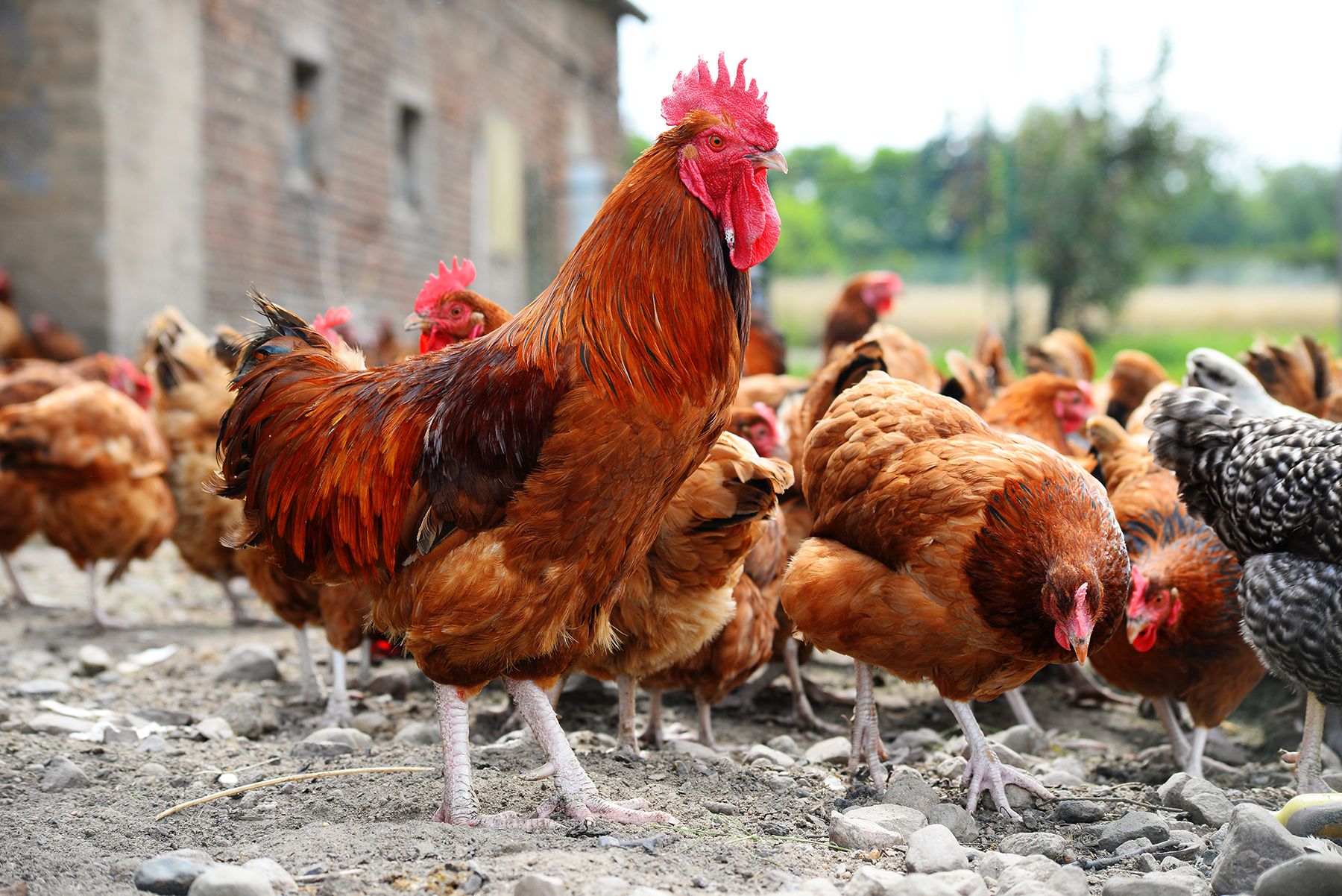
Preparing Your Poultry for a National Poultry Show
A national poultry show rewards careful preparation long before exhibitors enter the hall. Judges evaluate breed type, condition, feather quality, cleanliness, temperament, and how accurately each bird represents its standard. A healthy, well-trained bird has a much better chance of showing its strengths under unfamiliar conditions.
Preparation should begin weeks or months ahead, depending on the breed and the bird’s age. Chicks, mature fowl, bantams, waterfowl, turkeys, quail, and ornamental breeds all have different needs, so a practical plan must account for species, class requirements, and travel distance.
The goal is not to alter the bird’s natural appearance. It is to present excellent stock in peak condition while protecting its health and reducing stress. Consistent care, accurate records, and calm handling are the foundations of a successful exhibition experience.
Confirm the breed standard and show class
Start by reading the current breed standard and the show’s official premium book. Check the accepted variety, color, sex, age classification, weight range, comb type, leg color, feather pattern, and disqualifying faults. A bird that is excellent overall may still be placed poorly if it is entered in the wrong class.
Compare your bird with the standard in natural daylight. Take clear photographs from the side, front, and rear, then review body shape, carriage, tail angle, wing position, and symmetry. This process helps reveal details that are easy to overlook during routine care.
Verify entry deadlines, leg-band requirements, vaccination rules, and health documentation. Some events require specific identification or certificates, while others limit the number of birds per exhibitor. Early attention to these details prevents last-minute problems.
Build condition through steady care
A show bird should reach the event with firm muscle, healthy weight, bright eyes, clean nostrils, and smooth, well-maintained feathers. Feed a balanced ration appropriate for the species and age, and avoid sudden dietary changes. Fresh water must be available at all times, especially during warm weather and transport.
Separate exhibition birds from aggressive flockmates when necessary. Crowding, pecking, and poor bedding can damage feathers just as the bird is approaching peak condition. Use clean, dry housing with good ventilation and protect the flock from parasites through regular inspection and responsible treatment.
New birds should be quarantined before joining established stock. This is especially important when adding promising genetics or purchasing birds for a breeding program. Quality suppliers that emphasize healthy handling and careful shipping can help exhibitors begin with stronger stock, including juvenile quail for those entering small poultry divisions.
Develop calm handling habits
Judges need to examine birds closely, so exhibition poultry must tolerate gentle handling. Several times each week, lift the bird correctly, support its body, extend the wings briefly, inspect the legs, and set it down calmly. Keep sessions short and positive rather than forcing an anxious bird.
Practice placing the bird in and removing it from a show cage. Teach it to stand naturally on a clean surface and become comfortable with nearby movement, voices, and moderate noise. Bantams and flighty breeds often benefit from extra practice because sudden activity can affect posture and presentation.
Never chase a bird around the pen before handling it. Slow movements and consistent routines build trust. A calm bird conserves energy, keeps its feathers in better condition, and presents its natural carriage more reliably in the judging ring.
Groom feathers, feet, and details
Begin grooming several days before travel rather than immediately before judging. Bathe only when necessary and use products suited to poultry. Rinse thoroughly, dry the bird completely, and keep it warm until the feathers are fully settled. Overwashing can strip natural oils and create a dull appearance.
Inspect the feet, shanks, nails, beak, comb, and wattles. Remove dirt from the legs with gentle cleaning, trim overgrown nails carefully, and check for cracks, scabs, mites, or swelling. Do not conceal a health issue with cosmetic treatment; an unwell bird should not be exhibited.
Different breeds require different finishing techniques. Long-tailed chickens need protection from broken feathers, waterfowl need clean plumage and appropriate bathing access, and crested varieties require special care around the head. Always preserve the breed’s natural structure instead of using harsh products or excessive manipulation.
Organize travel and show equipment
Transport can undo weeks of preparation if birds become overheated, chilled, wet, or crowded. Choose a secure carrier with enough room for the bird to stand and adjust position. Use absorbent bedding, provide ventilation without direct drafts, and avoid feeding large amounts immediately before departure.
Prepare a dedicated kit containing identification bands, entry paperwork, disinfectant, towels, paper bedding, feed, water containers, grooming supplies, and a spare carrier. Keep records of each bird’s class, band number, sex, variety, and emergency contact information.
| Preparation area | What to check | Timing |
|---|---|---|
| Health | Appetite, droppings, eyes, breathing, parasites | Daily |
| Condition | Weight, muscle, feather development | Weekly |
| Handling | Lifting, wing inspection, cage behavior | Several weeks ahead |
| Grooming | Bathing, feet, nails, plumage | Days before travel |
| Documents | Entry forms, bands, certificates | Before the deadline |
| Transport | Carrier, bedding, food, water, temperature | The day before |
Plan rest stops for long journeys and monitor temperature inside the vehicle. Never leave poultry unattended in a parked vehicle. At arrival, give birds time to settle, drink, and recover before attempting final grooming.
Prioritize these final checks
The last week should focus on consistency rather than experimentation. Avoid introducing new feed, unfamiliar supplements, stressful flock changes, or untested grooming products. Observe each bird morning and evening, and remove any bird showing signs of illness from the show team.
Use this practical checklist before loading:
- Confirm every bird matches its entry class and identification record.
- Check body condition, breathing, eyes, feet, feathers, and appetite.
- Clean carriers and prepare fresh bedding, feed, and water.
- Pack paperwork, grooming supplies, towels, and emergency materials.
- Review the venue schedule, arrival instructions, and biosecurity rules.
At the show, follow the event’s sanitation procedures and keep equipment separate from other exhibitors’ supplies. Wash hands after handling unfamiliar birds, and disinfect carriers when returning home. A careful post-show quarantine protects the rest of the flock.
A national exhibition is a test of preparation as much as appearance. Select sound birds, maintain them patiently, practice calm presentation, and keep every travel detail organized. Explore healthy poultry and hatching stock from Premium Poultry Breeds, then give your best birds the steady care they need to enter the show hall confident, clean, and ready for judging.