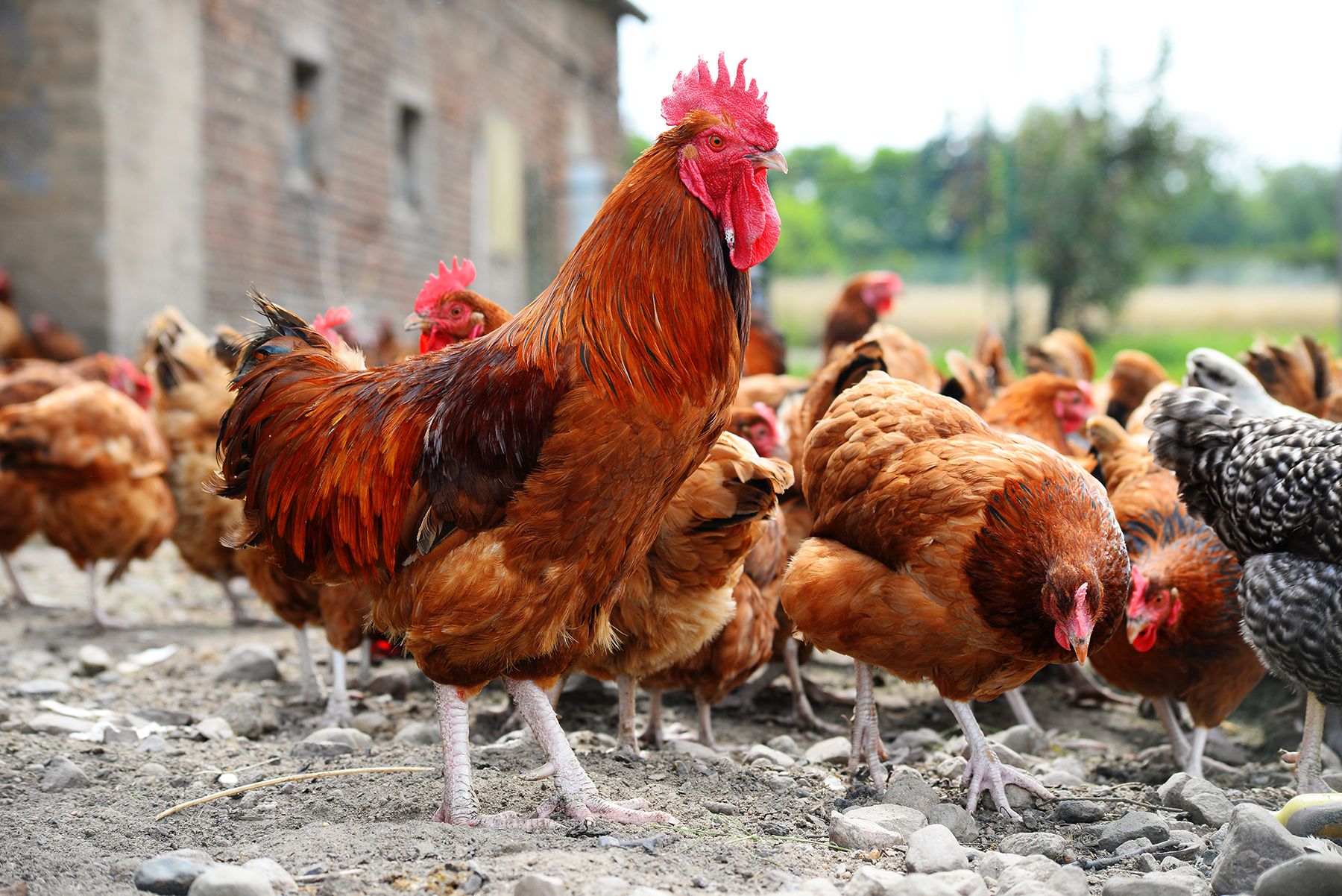
Raising Pheasants in Large Flight Pens
Raising pheasants in large flight pens gives these active game birds room to fly, forage and display natural behaviour. A well-planned enclosure also makes it easier to manage breeding groups, protect valuable birds and maintain clean, calm conditions throughout the year.
Successful pheasant housing depends on more than square metres. Flight height, shelter, drainage, predator control, feeding access and routine maintenance all affect feather quality, fertility and survival. These considerations matter especially in Australia, where intense sun, sudden storms and regional differences in climate can place extra pressure on captive birds.
The right design will vary according to species, flock size and purpose. Whether the pen supports ornamental birds, breeding stock or young pheasants, it should be built for safe movement and simple daily work rather than appearance alone.
| Feature | Practical target | Main benefit |
|---|---|---|
| Flight height | 2.4–3 metres or higher | Encourages strong wing exercise |
| Floor area | Generous space per bird | Reduces stress and feather damage |
| Roof and sides | Strong netting with buried edges | Limits escapes and predator access |
| Shelter | Dense cover plus dry retreat | Provides shade, privacy and weather protection |
| Maintenance access | Gates and service paths | Makes cleaning and repairs manageable |
Choosing The Site
Select a site with good drainage and protection from prevailing winds. A slightly elevated position is preferable to a low area where water collects after heavy rain. In parts of Queensland and northern New South Wales, summer storms can quickly turn poorly drained ground into mud, while exposed sites around Melbourne may need additional wind protection.
Morning sun is useful, but the pen should include shaded zones throughout the day. Avoid placing it directly beside busy machinery, barking dogs or a frequently used driveway. Pheasants can become nervous when exposed to constant disturbance, and prolonged stress may lead to collisions or aggressive behaviour.
Planning Flight Space
A large flight pen should provide both vertical and horizontal space. Pheasants use height for escape, exercise and roosting, so a low chicken run is unsuitable. A tall enclosure with clear flight lanes, staggered perches and planted edges allows birds to move without repeatedly striking wire.
Do not overcrowd the enclosure simply because the birds appear small. Competition increases around feeders, waterers and preferred shelter. Separate breeding trios or incompatible males with internal divisions, and leave enough room to catch a bird without driving the entire group into a panic.
Building A Safe Enclosure
Use durable aviary netting or welded mesh suited to the local predator risk. Bury the lower mesh edge or extend it outward beneath the soil to deter foxes and digging dogs. In rural areas, a second perimeter barrier can be worthwhile, particularly where feral cats, snakes or goannas are common.
The roof should be taut, secure and high enough to reduce head injuries. Some keepers use flexible netting over the flight section and a stronger mesh around the lower walls. Add a soft landing area, visual barriers and rounded fittings wherever possible. Sharp wire ends, exposed bolts and narrow gaps can cause serious injuries.
Adding Shelter And Vegetation
Pheasants benefit from a mixture of open flight space and dense cover. Hardy shrubs, clumps of grass, brush bundles and low shelters create visual breaks and give subordinate birds somewhere to retreat. Plants must be non-toxic, resilient and protected from being stripped bare.
In hot Australian regions, shade cloth can supplement living vegetation during the establishment period. Provide a dry shelter with a solid roof for cold rain and strong winds, while ensuring that air can circulate. Avoid damp, enclosed corners, as they encourage mould, parasites and respiratory problems.
Feeding And Watering Systems
Place several feeding and watering points around the pen rather than concentrating everything in one location. This reduces crowding and gives quieter birds a fair chance to eat. Covered feeders help keep grain dry, while raised designs reduce scratching contamination and wasted feed.
Fresh water is essential during heatwaves, particularly in western suburbs of Sydney, Adelaide and Perth where summer temperatures can rise sharply. Check drinkers at least daily and more often during extreme weather. Automatic systems can save labour, but they still require inspection for blockages, leaks and algae.
Birds can also benefit from supervised access to natural forage, greens and suitable insects, depending on their complete commercial diet. Any new feed should be introduced gradually, and spoiled leftovers should be removed promptly.
Maintaining Hygiene And Health
Create a regular maintenance routine that includes removing wet litter, clearing droppings beneath roosts, checking netting and washing drinkers. Divide the pen into sections if possible so one area can rest while another is cleaned. Dry ground and good airflow are among the simplest ways to reduce disease pressure.
Inspect birds every day for lameness, damaged feathers, unusual quietness, nasal discharge or changes in appetite. Handle them calmly and use a soft net when necessary. Training poultry to respond to a familiar call can make routine checks less stressful; these recall training methods can be adapted to pheasant management with patience and consistent rewards.
Keep records of hatch dates, introductions, treatments, mortalities and breeding results. Quarantine new birds before adding them to an established group, and use separate footwear or cleaning procedures where practical.
Managing Australian Regulations
Pheasants are not regulated identically across Australia. State and territory rules may cover keeping, breeding, selling, transporting or releasing game birds, and some areas require permits or impose restrictions on particular species. Check with the relevant state wildlife, agriculture or biosecurity authority before purchasing stock or constructing a permanent facility.
Never release captive pheasants into bushland or farmland without explicit legal approval. Escapes can create welfare, ecological and biosecurity concerns, while interstate transport may involve documentation and movement requirements. Local council rules may also affect sheds, aviary structures, noise and boundary placement.
Preparing For Seasonal Work
Before summer, inspect shade cloth, water capacity and roof tension, and remove combustible dry vegetation around the enclosure. During heatwaves, provide extra drinking points and monitor birds early in the morning and late in the afternoon. In cooler districts such as Canberra and inland Victoria, windproof retreats and dry bedding are particularly important.
Breeding season often brings territorial behaviour, nesting activity and increased wear around gates and shelters. Repair damaged mesh immediately, rotate ground cover when possible and schedule a thorough inspection before introducing young birds. A well-maintained flight pen protects the flock while reducing daily labour for the keeper.
A thoughtfully designed enclosure allows pheasants to fly, forage and settle with fewer hazards. Choose strong materials, plan for Australia’s weather and regulations, and make every feeder, gate and shelter easy to inspect. Explore healthy pheasants and other quality poultry from Premium Poultry Breeds to build a reliable collection suited to your breeding or homestead plans.