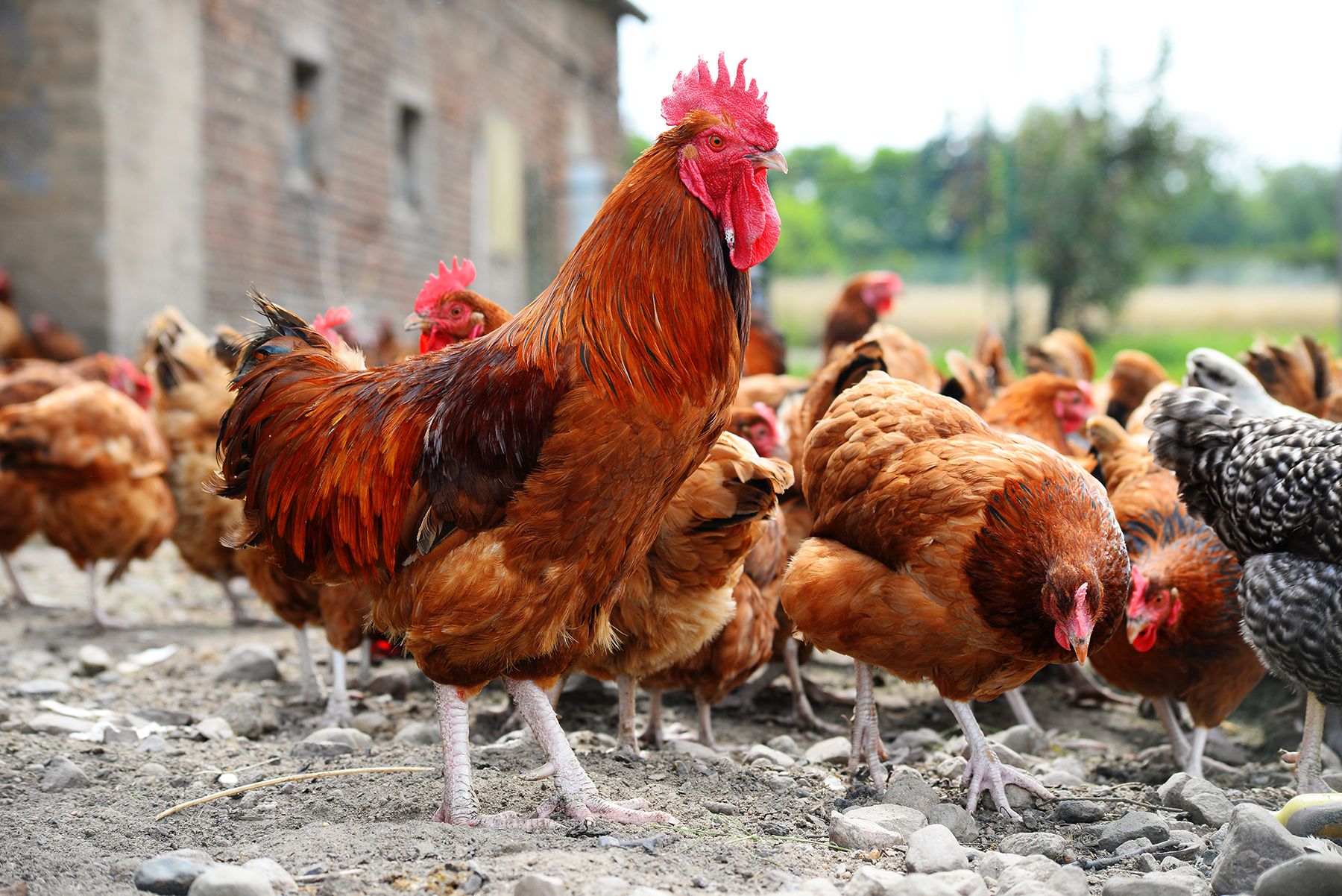
Teaching Chickens to Respond to Your Call
Chickens can learn to associate a familiar sound with food, safety, and positive attention. With short, consistent sessions, a backyard flock can begin running toward a whistle, verbal cue, bell, or other signal. This is useful for bringing birds into a coop, gathering them before dusk, or moving them away from hazards.
Training works best when it fits the birds’ natural routines. Chickens are observant, food motivated, and capable of remembering patterns, but they can also become distracted by insects, new surroundings, or flock activity. Patience and repetition matter more than intensity.
Whether you keep heritage chickens, bantams, laying hens, or ornamental breeds, use the same signal every time. Healthy, well-handled poultry generally adapts more readily to calm human interaction, making trust an important part of recall training.
Choose a clear cue and reward
Pick one sound that is easy to repeat and unlikely to occur accidentally. A short whistle, a phrase such as “come on,” or a gentle call works well. Avoid changing between several words, since inconsistent signals make it difficult for birds to identify the desired behavior.
Pair the cue with a high-value reward. Small portions of mealworms, cracked grains, leafy greens, or a favorite commercial treat can motivate chickens without replacing their balanced feed. Give the reward immediately after they approach, so they connect the sound with the outcome.
Use a dedicated container for treats if possible. The sight and sound of that container can become an additional reminder, but the verbal or whistle cue should remain the main signal.
Begin in a familiar enclosure
Start training inside the coop, run, or another secure area where the flock feels comfortable. Choose a quiet time when the chickens are alert but not already full from a recent meal. Calling just before a regular feeding period often increases interest.
Stand only a short distance away and give the cue once. When one or more birds turn toward you, encourage them calmly and provide a reward when they arrive. Do not chase birds or wave treats frantically, because this can create fear or teach them to scatter.
Repeat the exercise for three to five minutes, then stop while the flock is still engaged. Several brief sessions are more effective than one long lesson. End with a normal activity, such as feeding or settling the birds for the evening.
Increase distance gradually
Once the flock reliably approaches from a few feet away, move farther across the run. Add distance in small steps and reward the birds for completing each successful recall. If they hesitate, return to the previous distance instead of repeating the cue many times.
Next, practice near the doorway, in a fenced yard, or in another controlled setting. Make sure gates are closed and predators cannot reach the birds. The goal is to teach the chickens that the call remains meaningful in different locations, not to test them in an unsafe environment.
| Training stage | Location | Main objective | Reward approach |
|---|---|---|---|
| Early sessions | Coop or run | Recognize the cue | Reward every approach |
| Developing recall | Larger enclosed area | Follow the sound over distance | Reward promptly |
| Distraction practice | Secure yard | Ignore mild distractions | Reward quick responses |
| Maintenance | Normal daily settings | Keep the behavior reliable | Reward intermittently |
Use flock behavior to your advantage
Chickens are social, and a few confident birds often lead the rest. Begin with the flock rather than trying to train every chicken separately. When the boldest birds come running, shy individuals may follow after watching the group receive food.
You can later work with specific birds if needed. A calm, food-motivated hen may learn quickly, while a cautious rooster or nervous pullet may require slower progress. Avoid forcing reluctant birds to approach by cornering or grabbing them.
Recall can also support safer management during routine tasks. Calling birds before opening a gate, cleaning a run, or checking nesting boxes helps them gather in a predictable place. If you raise birds for particular traits, consistent handling is especially valuable; careful routines complement decisions about feather color breeding and long-term flock selection.
Practice around mild distractions
After the chickens respond indoors and in a secure run, introduce manageable distractions. Try calling while they are exploring grass, scratching through bedding, or investigating a familiar object. Keep the distance short at first and offer a better reward for prompt responses.
Do not begin with dogs, loud machinery, unfamiliar visitors, or open areas. A frightened flock may ignore the cue or rush unpredictably. Build confidence in stages, and reserve the most appealing treats for situations that require stronger focus.
If the birds stop responding, examine the circumstances. They may be too full, too stressed, too distracted, or unable to hear you over wind and noise. Lower the difficulty and rebuild the association rather than repeating the call loudly.
Correct common training mistakes
Calling repeatedly without rewarding teaches chickens that the signal can be ignored. Give the cue once, wait several seconds, and then make the situation easier if no bird responds. Reward even a partial success, such as turning toward you, during early sessions.
Avoid using the recall sound for unpleasant events every time. If the call always means being confined, inspected, or separated from the flock, the birds may avoid it. Occasionally call them, reward them, and then allow them to return to normal activity.
Keep treats modest and account for them in the flock’s daily diet. Clean water, appropriate feed, shade, and secure housing remain more important than training rewards. A bird that appears weak, injured, or unusually withdrawn should receive attention for its health before training continues.
Build a dependable daily routine
Consistency turns a learned response into a reliable habit. Use the same cue, similar tone, and predictable reward timing, while gradually varying locations and distances. Family members should follow the same rules so the chickens do not hear conflicting commands.
A practical routine includes:
- Practice once or twice daily for three to five minutes.
- Call before a normal feeding period, not immediately after a large meal.
- Reward the first birds to arrive, then share treats calmly with the flock.
- Increase distance only after most birds respond consistently.
- Finish each session with a successful recall.
Keep a simple note of which birds respond quickly and which need more time. This can reveal patterns related to age, temperament, breed, or flock position. With regular, positive handling, your chickens can learn to come when called and make everyday care safer and easier. Start in a secure run today, choose one unmistakable cue, and reward every early success.