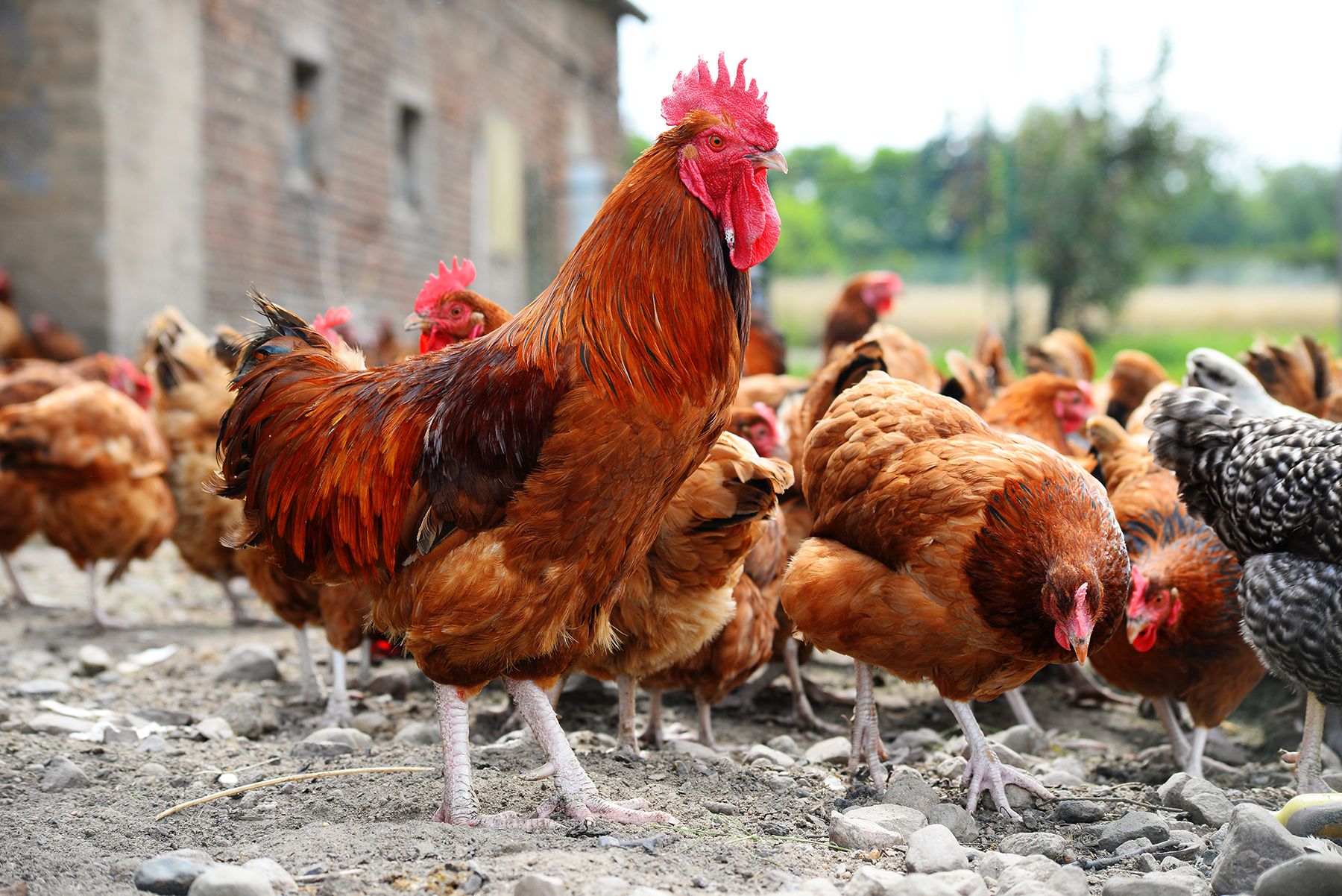
Raising chickens on pasture with smart fencing and rotation
Pasture-raised chickens benefit from sunlight, fresh air, natural forage, and room to express normal behavior. A well-managed outdoor system can support stronger flock health and reduce pressure on a single patch of ground, but success depends on more than opening a coop door. Fencing, shelter, stocking density, and daily observation all shape the results.
The goal is controlled access rather than unlimited roaming. Chickens should have enough space to scratch, dust-bathe, graze, and rest without stripping vegetation or concentrating manure around the coop. A practical plan also protects birds from predators, keeps them near reliable feed and water, and makes routine handling manageable.
Whether you keep heritage chickens, bantams, or productive laying breeds, pasture management should match the birds’ age, temperament, and purpose. Chicks need especially secure housing, while mature birds can usually adapt to larger paddocks when they have been introduced gradually.
Start with a secure home base
A predator-resistant coop is the foundation of any outdoor poultry system. Use strong door hardware, covered ventilation openings, and a floor design that prevents digging predators from getting underneath. Hardware cloth is generally more secure than standard chicken wire, which may contain birds but can be easily breached by raccoons and similar animals.
Position the coop on well-drained ground and move or clean high-traffic areas before mud and manure accumulate. Keep feed in secure containers, since spilled grain can attract rodents and wild animals. Waterers should be stable, shaded when possible, and checked daily for algae, litter, or contamination.
Choose fencing for the pasture
Electric poultry netting is a flexible option for rotational grazing because it can be moved as forage conditions change. It creates a visible boundary and can discourage many ground predators when properly energized. Inspect the perimeter frequently for sagging sections, overgrown grass, and gaps beneath the net.
Permanent fencing may be preferable for a larger homestead or a fixed poultry yard. Welded wire panels, sturdy posts, and a buried or outward-turned apron improve security. A covered run is valuable in areas with hawks, owls, or heavy pressure from aerial predators, especially for young birds and smaller bantams.
Fence height should account for the flock’s flying ability. Some breeds stay close to the ground, while lighter birds may clear a surprisingly tall barrier. Clipping one wing can reduce flight height temporarily, but it should not replace good fencing or overhead protection.
Build a practical rotation schedule
Divide the available ground into several paddocks rather than allowing constant access to one large area. When chickens move between sections, plants have time to recover and manure becomes more evenly distributed. The ideal rest period depends on rainfall, temperature, soil type, and stocking density, so observe the vegetation instead of following a rigid calendar.
Move the flock before the soil becomes bare or heavily compacted. Chickens naturally gather near gates, feeders, water, and shelter, creating worn patches even when the rest of the paddock looks healthy. Relocating these features periodically can spread impact across the pasture.
A short grazing period followed by meaningful rest is usually more effective than leaving birds in a large area until all plant cover disappears. If the ground remains muddy, reduce the time outside or use a sacrifice yard where damage can be contained during wet weather.
Balance forage with complete nutrition
Pasture gives chickens access to insects, seeds, tender plants, and grit, but it rarely supplies every nutrient required for steady growth or egg production. Provide a complete ration suited to the flock’s age and purpose. Laying hens still need dependable calcium, while growing birds require appropriate protein and mineral levels.
Avoid relying on pasture as the sole feed source. Birds may selectively eat the most appealing plants and ignore less attractive forage, and seasonal changes can sharply reduce nutritional value. Fresh greens are helpful, but balanced feed should remain the nutritional foundation.
Rotate areas before parasite contamination becomes severe. Chickens can pick up coccidia and intestinal worms from soil contaminated by repeated droppings. Good drainage, lower stocking pressure, dry resting periods, and periodic veterinary guidance all support a healthier free-range environment.
Match flock behavior to the enclosure
Temperament matters when birds share pasture. Calm chickens are easier to move, catch, and return to shelter at dusk. A confident but manageable rooster can help maintain flock cohesion, though aggression toward people or hens should not be ignored. Before adding a male to a breeding group, review guidance on rooster temperament and fertility.
Introduce new birds gradually and monitor social dynamics after every change. Crowding, competition at feeders, and insufficient shelter can increase pecking and stress. Multiple feeding and watering points are useful when the flock includes timid birds or different sizes.
Use visual markers on movable fencing and keep a consistent evening routine. Chickens that learn to return to the same coop for treats or feed are easier to manage than birds that scatter across the property.
Compare fencing and rotation options
| System | Best use | Main strengths | Points to watch |
|---|---|---|---|
| Electric poultry netting | Rotational pasture | Portable and quick to reconfigure | Requires regular voltage and perimeter checks |
| Permanent wire paddocks | Established homesteads | Durable and dependable | Higher installation cost and less flexibility |
| Covered run | Predator-heavy areas | Strong protection from aerial threats | Limited forage unless moved or planted |
| Tractor or mobile coop | Small flocks | Concentrates birds and simplifies movement | Requires frequent relocation and secure construction |
| Open free-range access | Low-risk properties | Maximum roaming space | Greater predator, crop, and parasite exposure |
Plan daily checks and seasonal adjustments
Walk the fence line at least once each day during active grazing. Look for loose posts, downed netting, predator tracks, and birds pushing through weak points. Check crops and pasture for poisonous plants, standing water, or areas treated with chemicals.
In hot weather, provide shade, airflow, and extra water access. During cold or wet periods, offer a dry shelter and shorten grazing sessions if the pasture cannot support traffic. Winter rotation may focus more on protecting soil and reducing exposure than on supplying meaningful forage.
A written rotation record can make the system easier to manage. Note paddock dates, rainfall, flock numbers, health observations, and pasture recovery. This simple record helps identify which areas need longer rest and whether the current stocking rate is sustainable.
Set up a manageable pasture routine
- Install secure housing and test every gate, latch, and fence connection before releasing the flock.
- Divide pasture into multiple sections and move birds before vegetation is worn down.
- Keep balanced poultry feed, clean water, grit, and calcium available every day.
- Inspect birds for injuries, parasites, weight changes, and signs of heat or cold stress.
- Adjust paddock size and rest periods as flock numbers, weather, and forage conditions change.
A well-designed pasture system improves the birds’ environment while protecting the land that supports them. Start with a secure enclosure, make small rotational moves, and let the condition of the flock and ground guide each adjustment. Browse healthy poultry and suitable breeds at Premium Poultry Breeds to build a flock ready for life on a carefully managed pasture.