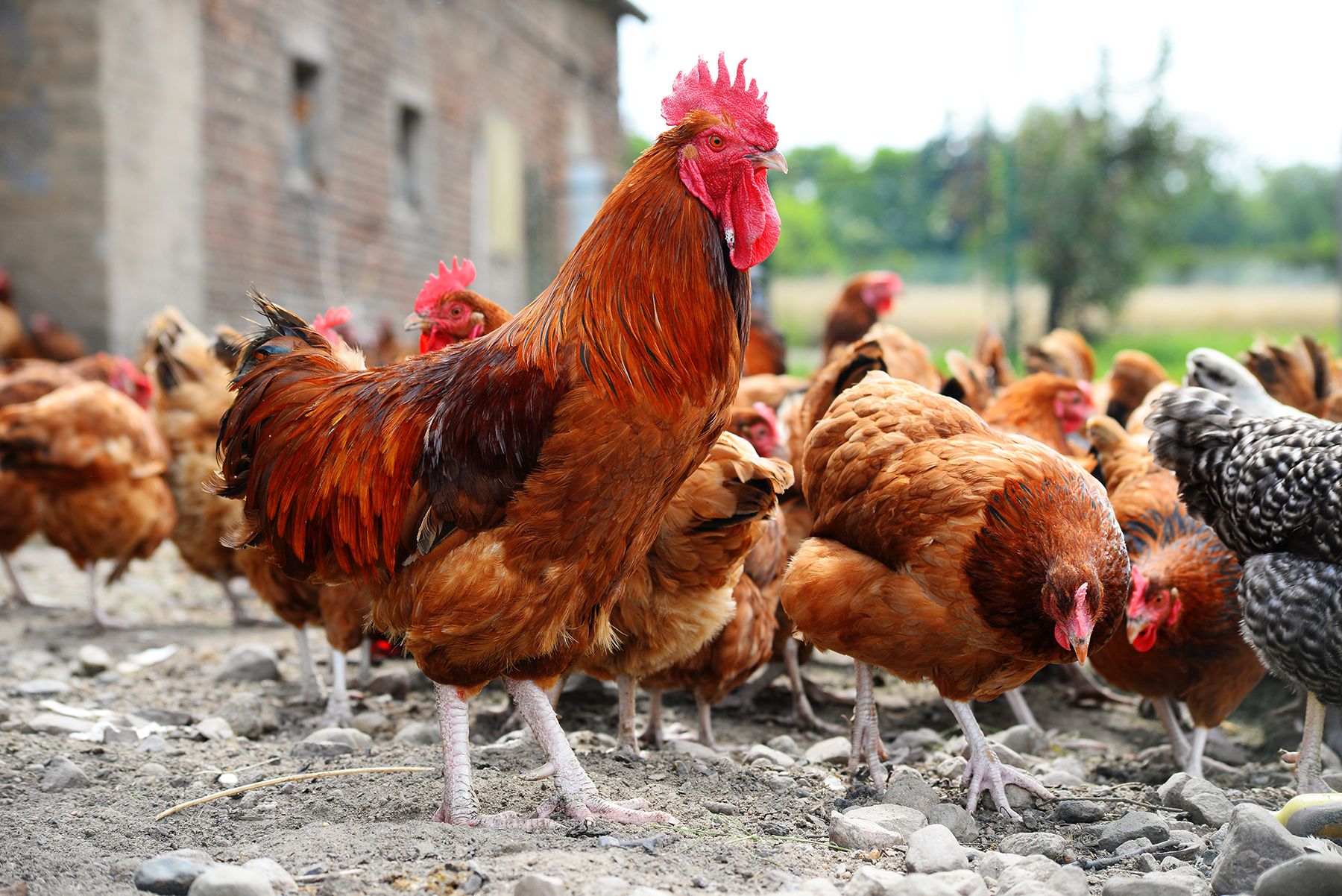
Selecting a rooster for your flock: temperament and fertility
A rooster influences far more than the number of fertile eggs in a breeding pen. His behavior affects the safety of hens, the confidence of flock keepers, and the character of future chicks. Choosing carefully can create a calmer, more productive flock, whether you keep heritage chickens, bantams, or rare poultry breeds.
Fertility matters, but it should be assessed alongside health, body condition, breed traits, and temperament. A vigorous male that constantly injures hens or attacks people may create more problems than he solves. The best choice balances reliable breeding performance with manageable behavior.
Before adding any bird, define your purpose. A homesteader may want dependable fertile eggs and a protective flock leader, while a breeder may prioritize plumage, conformation, lineage, or preservation of a particular color variety.
Start with health and breeding potential
A prospective rooster should be alert, active, and well-proportioned for his breed. Bright eyes, smooth feathers, clean legs, a healthy comb, and steady movement are useful signs of general condition. Avoid birds with chronic respiratory symptoms, swollen joints, severe scaly leg mites, persistent lameness, or unexplained weight loss.
Fertility is influenced by age, nutrition, genetics, mating behavior, and seasonal conditions. Young cockerels may need time to mature, while older roosters can experience declining fertility or reduced activity. A male with a strong appetite, good muscle tone, and normal interest in hens is often a better prospect than one that is lethargic or excessively overweight.
Ask for accurate information about vaccination, disease control, parentage, and flock management when purchasing live poultry or hatching eggs. Careful sourcing and responsible handling help reduce the risk of introducing illness into an established flock.
Evaluate temperament before adding him
A suitable rooster is confident without being reckless. He should notice people and react to movement, but he should not repeatedly charge, spur, or pursue handlers. Some alertness is natural, particularly in breeds with strong protective instincts, yet persistent aggression can be difficult to correct and may be inherited by male offspring.
Observe him around hens whenever possible. A good flock leader may call birds to food, remain watchful, and respond to threats. He should also allow hens to move away rather than relentlessly chasing them. Excessive mating attempts, feather loss on the back, or injuries around the neck can indicate that the male is too forceful for the size of the flock.
Handling history also matters. Calm, regular interaction during the juvenile stage can make a rooster easier to manage, though training cannot transform every aggressive bird. Never reward charging behavior by retreating in panic; use consistent boundaries and safe handling practices.
Match the rooster to your flock
Size and breed type should be considered together. A large rooster paired with small bantam hens may cause accidental injuries, especially during mating. Likewise, a very small male may struggle to breed larger hens effectively. Matching body size is particularly important when maintaining ornamental varieties or delicate heritage lines.
The hen-to-rooster ratio affects both fertility and welfare. A single rooster with too few hens may overmate them, while too many hens can reduce his ability to breed consistently. Exact numbers vary by breed, age, space, and individual behavior, but observing the hens is essential. Bare patches, hiding, lameness, or repeated stress signals mean the arrangement needs attention.
| Selection factor | Positive signs | Warning signs |
|---|---|---|
| Health | Clear eyes, sound legs, good weight | Lameness, discharge, poor condition |
| Temperament | Alert, steady, manageable | Repeated attacks or frantic behavior |
| Fertility potential | Active, mature, normal mating interest | Inactivity, obesity, advanced age |
| Size compatibility | Similar build to the hens | Large size difference or rough mating |
| Genetic value | Documented lineage and breed traits | Unknown origin or serious defects |
| Flock leadership | Watches over hens and shares food calls | Constant chasing or isolation of hens |
Check fertility with practical observations
A rooster’s presence does not guarantee fertile eggs. Hens may lay normally while producing eggs that fail to develop if mating is ineffective or the male has poor reproductive function. When breeding is important, collect clean, properly stored eggs and monitor incubation results rather than relying only on appearance.
Candling during incubation can reveal whether development has begun, although infertile eggs and early embryo loss are different issues. A pattern of clear eggs across multiple hens may point toward the rooster, poor storage, incorrect incubation temperature, or timing problems. Testing several eggs over more than one laying cycle gives a more useful picture than judging one batch.
Nutrition supports reproductive performance. Provide a balanced poultry ration, clean water, appropriate minerals, and enough space for exercise. Avoid excessive treats that encourage obesity, and protect breeding birds from heat stress, parasites, and overcrowding.
Consider genetics and future chicks
A rooster contributes half of the genetic material in every chick, so his qualities deserve the same attention given to hens. Select against obvious hereditary problems, poor leg structure, weak vitality, and undesirable breed characteristics. If preserving a recognized variety, review breed standards and confirm that the male complements the hens rather than repeating their weaknesses.
Temperament can also have a genetic component. A calm, manageable rooster is more likely to produce offspring that are practical for family flocks, especially when selecting replacement cockerels. Keep clear breeding records that include parentage, hatch dates, color, health observations, fertility results, and behavior.
Broodiness influences how fertile eggs are used, even though it is a hen trait. If your flock includes Silkies or other naturally broody breeds, this Silkie broodiness guide can help you plan natural incubation around your breeding goals.
Introduce a new male safely
Quarantine a new rooster before placing him with the resident flock. A separate, clean enclosure allows time to observe appetite, droppings, breathing, parasites, and general behavior while reducing the risk of spreading disease. Follow local veterinary guidance for testing and biosecurity, especially when birds are transported across regions.
After quarantine, begin with visual contact through a secure partition. This reduces the shock of a sudden introduction and lets the birds establish familiarity. Supervise the first direct meetings, provide multiple feeding and watering points, and ensure hens have places to move away from the male.
Practical selection priorities
- Choose sound legs, healthy body condition, and clear signs of vitality.
- Watch the rooster interact with hens before making a final decision.
- Match his size and breeding type to the females in your flock.
- Track fertility through properly stored and incubated eggs.
- Reject persistent aggression, serious defects, or unexplained illness.
A well-selected rooster should support the flock rather than dominate it. Take time to compare candidates, ask knowledgeable breeders for health and lineage details, and choose stock handled with care. Premium Poultry Breeds offers poultry for homesteaders, breeders, hobby farmers, and enthusiasts who want to build a healthy, productive flock with dependable breeding potential.