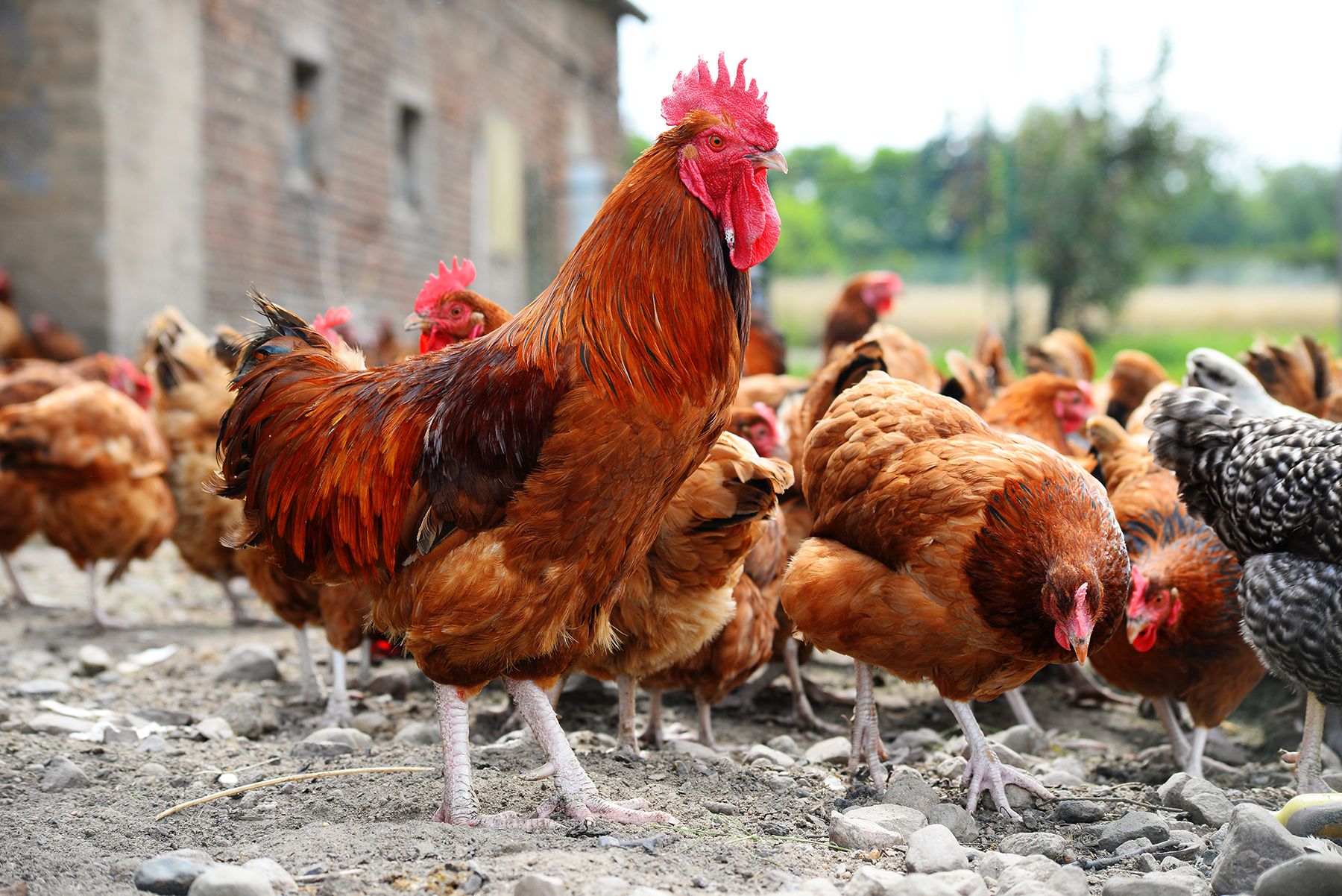
Keeping Bantam Chickens Alongside Larger Breeds
Bantam chickens can share a flock with standard-sized birds, but successful integration depends on planning rather than size alone. Their smaller bodies, different energy levels, and varied personalities create a few management concerns that are easy to overlook.
A mixed-size flock can be lively, attractive, and productive when birds have enough room, suitable equipment, and access to shelter. Careful selection also matters: a calm, well-socialized large breed is generally a better companion for bantams than an aggressive or highly territorial bird.
The goal is to reduce competition and prevent injuries while allowing every chicken to behave naturally. With thoughtful housing and gradual introductions, many homesteaders and hobby keepers maintain harmonious groups of bantams and standard breeds.
Assess Temperament Before Size
Weight is an important consideration, but temperament often determines whether a mixed flock succeeds. Docile breeds may ignore smaller companions, while assertive hens or roosters can guard feeders, chase bantams, or prevent them from resting safely. Observe individual behavior whenever possible instead of relying only on breed descriptions.
Roosters require particular caution. A large rooster may accidentally injure a bantam hen during mating, even without aggressive intent. Some keepers house bantam hens with a bantam rooster or maintain separate breeding groups, especially when the larger birds are vigorous or highly dominant.
Breed history can also provide useful context. Reading about traditional varieties, such as the Redcap chicken breed, can help prospective owners understand differences in activity, hardiness, and flock behavior before choosing birds.
Introduce Birds Gradually
Do not place unfamiliar bantams directly into an established flock. Begin with a quarantine period for any new arrivals, using separate housing to monitor appetite, droppings, breathing, feathers, and general activity. This protects the existing flock from preventable illness and gives the newcomers time to settle.
After quarantine, place the groups in adjacent runs where they can see and hear one another without making contact. This stage may last several days or longer depending on the birds’ reactions. Calm parallel feeding and relaxed body language are positive signs; repeated charging, fence fighting, or frantic hiding means the process should move more slowly.
When supervised contact begins, use a spacious neutral area with several escape routes. Introductions are often easiest in the afternoon, when chickens are less energetic, but they still require close observation. Separate birds immediately if pecking becomes sustained, blood is drawn, or a bantam is repeatedly cornered.
Design Housing For Mixed Flocks
Space is the first line of defense. A crowded coop and run increase competition for roosts, nest boxes, food, and dust-bathing areas. Provide multiple feeding and watering stations so a smaller bird can eat without passing through a group of larger chickens.
Roosting arrangements deserve special attention. Standard chickens may prefer higher perches, while bantams can struggle to reach them or may be knocked off during nighttime movement. Add lower, sturdy roosts with enough distance between levels, and check that no bird can become trapped beneath a heavy-bodied companion.
Small openings can help bantams escape harassment, but they must be large enough to prevent wing or leg injuries and secure enough to exclude predators. Covered runs, shaded areas, and visual barriers allow timid birds to retreat without leaving the flock entirely.
Match Care And Equipment
Bantams generally eat the same balanced poultry ration as standard chickens, though they consume less by weight. Offer age-appropriate feed in several locations and keep clean water available at all times. Raised equipment may suit large birds but can be awkward for bantams, so use low or adjustable drinkers and feeders.
Monitor body condition rather than assuming every bird is receiving enough nutrition. A bantam that appears quiet, loses weight, or waits until others finish feeding may be experiencing social pressure. Separate feeding areas or temporary individual meals can correct the problem.
When adding young birds, choose healthy stock from a reputable source and plan for their adult size. A selection of healthy poultry chicks can be integrated more smoothly when ages, vaccination needs, and housing requirements are considered in advance.
Compare Common Flock Arrangements
Different combinations create different management demands. The safest option depends on the birds’ sex, age, temperament, and available space.
| Flock Arrangement | Main Benefit | Primary Risk | Management Priority |
|---|---|---|---|
| Bantam hens with standard hens | Usually calm and practical | Competition at feeders | Add extra feeding stations |
| Bantam hens with a standard rooster | One integrated flock | Mating injuries | Watch closely or separate groups |
| Bantam rooster with standard hens | May reduce size-related mating pressure | Breeding results may be unpredictable | Monitor fertility and hen welfare |
| Bantam flock with a standard flock nearby | Easy observation and controlled contact | Fence fighting or stress | Use secure adjacent runs |
| Mixed chicks raised together | Early social familiarity | Adult behavior can change later | Reassess after sexual maturity |
Watch For Stress And Injury
Healthy flock members should move freely, eat regularly, and use the coop without hesitation. Warning signs include missing feathers around the head or back, repeated hiding, limping, weight loss, wounds, or a bird sleeping on the floor because it cannot safely reach a roost.
Check small birds at least once daily during the first weeks together. Inspect feet, legs, combs, and skin under the feathers. A minor pecking injury can attract further attention, so isolate and treat injured birds promptly according to veterinary guidance.
Seasonal changes can expose weaknesses in flock management. Wet weather makes muddy runs more hazardous for small birds, while heat increases crowding around shade and water. Keep bedding dry, provide airflow without drafts, and create several cool resting zones.
Practical Steps For A Peaceful Flock
- Choose calm, compatible birds and avoid pairing a large aggressive rooster with bantam hens.
- Quarantine newcomers, then use a see-but-don’t-touch introduction period.
- Provide extra feeders, drinkers, nest boxes, roosts, and hiding spaces.
- Supervise first contact and separate any bird that causes persistent injury or panic.
- Reassess the arrangement as birds mature, particularly when young chickens begin breeding behavior.
Build A Balanced Flock
A mixed-size chicken flock works best when the smallest birds have reliable access to food, water, shelter, and safe resting places. Regular observation allows you to correct social problems before they become injuries, and separate housing can remain a sensible long-term solution when compatibility does not improve.
Choose healthy, well-handled birds, prepare suitable facilities before arrival, and introduce new poultry at a pace that protects the entire group. With these practices in place, bantams and larger breeds can thrive as part of a carefully managed homestead flock.