The History and Revival of the Redcap Chicken Breed
The Redcap chicken is one of Britain’s distinctive heritage poultry breeds, recognized for its oversized rose comb, lively temperament, and useful egg production. Developed in northern England, it became a valued farmyard bird before modern commercial hybrids pushed it toward rarity.
Today, the breed appeals to conservation-minded keepers, backyard flock owners, and breeders who appreciate its independence and historical character. Its revival depends on careful selection, responsible breeding, and renewed interest in productive heritage chickens.
For those building a mixed flock, Premium Poultry Breeds offers a broad poultry catalog designed around healthy stock, careful handling, and dependable delivery. Understanding the Redcap’s background helps keepers decide whether this active English breed suits their setting.
Origins in northern England
The precise ancestry of the Redcap remains uncertain. Poultry historians generally associate its development with Derbyshire and Yorkshire during the nineteenth century, when farm families selected local chickens for hardiness, table value, and reliable laying. The breed may have absorbed traits from several regional fowl rather than descending from one clearly documented foundation stock.
Its name comes from the striking red cap-like comb carried by both sexes. Early breeders valued birds that could forage efficiently, withstand changeable weather, and contribute a steady supply of eggs. This practical purpose shaped the Redcap more than ornamental breeding did.
By the late nineteenth century, the breed had gained recognition among British poultry keepers. Breed standards helped establish the features associated with the modern Redcap, although variations in size, color, and production remained common among regional strains.
Features that define the breed
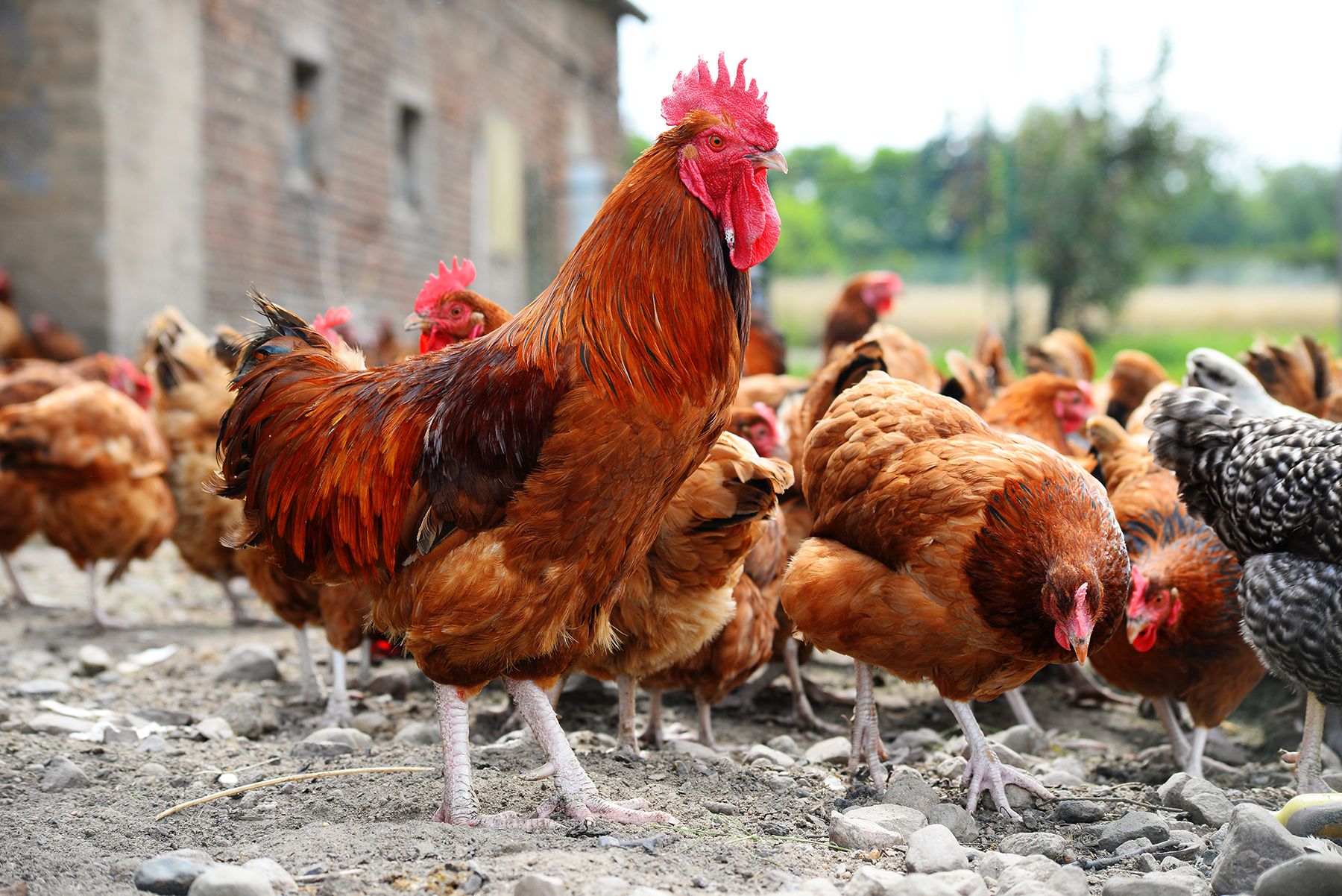
The Redcap is a medium-sized to large, active chicken with a broad, deep body. Its most memorable feature is the large rose comb, which should be firm, well-shaped, and richly red. The comb is especially prominent in roosters and gives the breed an unmistakable profile.
Plumage is typically a rich reddish or golden-red pattern with darker markings in the tail and wing areas. Exact color balance can vary, but good specimens should show clean, lustrous feathering and strong overall condition. Red earlobes, red facial skin, and slate or dark legs are also associated with the breed.
Redcaps are alert birds with strong foraging instincts. They tend to be energetic rather than docile, so generous space and secure fencing are important. Their active nature can be an advantage for free-range systems, though it may make them less suitable for keepers seeking a very quiet or easily handled flock.
A useful farmyard chicken
Historically, the Redcap served as a dual-purpose chicken, producing both eggs and a respectable carcass. Hens are known for laying a good number of tinted or light-brown eggs, particularly when given balanced nutrition, adequate daylight, and room to exercise.
Production will vary by line and management. Heritage birds are not designed to match the output of specialized commercial layers, but they offer valuable qualities that extend beyond egg totals. Their vigor, natural activity, and ability to find a portion of their own food make them appealing for traditional homesteads.
Redcaps generally mature as active, hardy birds. Their large combs can be vulnerable to frostbite in severe winter conditions, especially in damp, poorly ventilated housing. Dry bedding, protection from drafts, and sensible coop design can reduce that risk without restricting airflow.
| Trait | Typical Redcap characteristic | Practical consideration |
|---|---|---|
| Origin | Northern England, especially Derbyshire and Yorkshire | Suits keepers interested in British heritage breeds |
| Comb | Large rose comb, bright red | Monitor during freezing weather |
| Temperament | Alert, active, and independent | Provide secure boundaries and room to forage |
| Production | Useful tinted or light-brown egg layer | Output varies by breeding line and care |
| Main value | Heritage character, hardiness, and dual-purpose use | Best for conservation-minded flocks |
Why the breed declined
The Redcap’s decline followed the broader shift toward industrial poultry production. Commercial farms increasingly favored highly specialized hybrids that could produce eggs or meat with exceptional efficiency under controlled conditions. Traditional breeds could not compete on those narrow production measures.
Changes in agriculture also reduced the number of small mixed farms where adaptable local chickens once thrived. As free-ranging systems gave way to more intensive methods, traits such as independent foraging and regional hardiness received less attention.
By the twentieth century, the Redcap had become uncommon in comparison with mainstream breeds. Limited breeding populations created additional concerns, including loss of genetic diversity and inconsistency in type. The breed’s survival came to depend on smallholders, poultry clubs, conservation groups, and individual breeders.
The modern revival
Interest in rare poultry has grown alongside the expansion of backyard flocks, heritage farming, and genetic conservation. Redcaps benefit from this movement because they combine visual distinction with practical qualities. They are more than display birds: a well-bred flock can contribute eggs, farmyard activity, and a link to British agricultural history.
Revival work requires more than simply increasing population numbers. Breeders must select for correct comb structure, body shape, plumage, fertility, vigor, and sound temperament. Maintaining several unrelated lines, where possible, can help reduce inbreeding and protect the breed’s long-term health.
New keepers can support conservation by purchasing from transparent breeders, keeping accurate records, and avoiding selection based solely on appearance. Healthy hatchability, strong growth, and productive hens are essential parts of a sustainable Redcap breeding program.
Keeping Redcaps today
Redcaps are best suited to poultry keepers who can provide space, enrichment, and dependable predator protection. They usually thrive when allowed to scratch, dust-bathe, and forage, although a balanced complete ration should remain the foundation of their diet. Fresh water, clean housing, and routine health checks are equally important.
Because the breed is active, it may integrate well into a varied homestead flock when introduced carefully. Keepers adding ducks, geese, or other waterfowl should plan separate feeding and housing areas; resources such as waterfowl breeds can help when comparing the needs of different poultry types.
Anyone considering Redcaps should also think about local climate, available space, and their goals for the flock. Birds intended for breeding need especially careful evaluation, since a sound foundation flock is central to preserving the breed’s identity.
Building a responsible breeding flock
A thoughtful Redcap program begins with healthy parent stock from a breeder who can explain the birds’ background. Examine body condition, comb quality, leg health, feather condition, and behavior. Avoid breeding birds with obvious structural faults or persistent health problems simply because they display attractive color.
Practical priorities include:
- Choose vigorous birds from documented heritage lines.
- Select for balanced type, strong fertility, and useful laying performance.
- Provide spacious, dry housing with protection from frost and predators.
- Keep breeding and hatch records to track family lines.
- Share surplus birds responsibly to broaden conservation interest.
The Redcap’s story reflects the value of maintaining poultry diversity. Its unusual comb, energetic nature, and dependable farmyard qualities represent a style of breeding shaped by local needs rather than industrial uniformity. With informed care, this rare English chicken can remain a living part of modern homesteads.
Browse the available poultry offerings at Premium Poultry Breeds to find healthy stock and hatching options for your flock, and help keep distinctive heritage poultry in active, responsible hands.