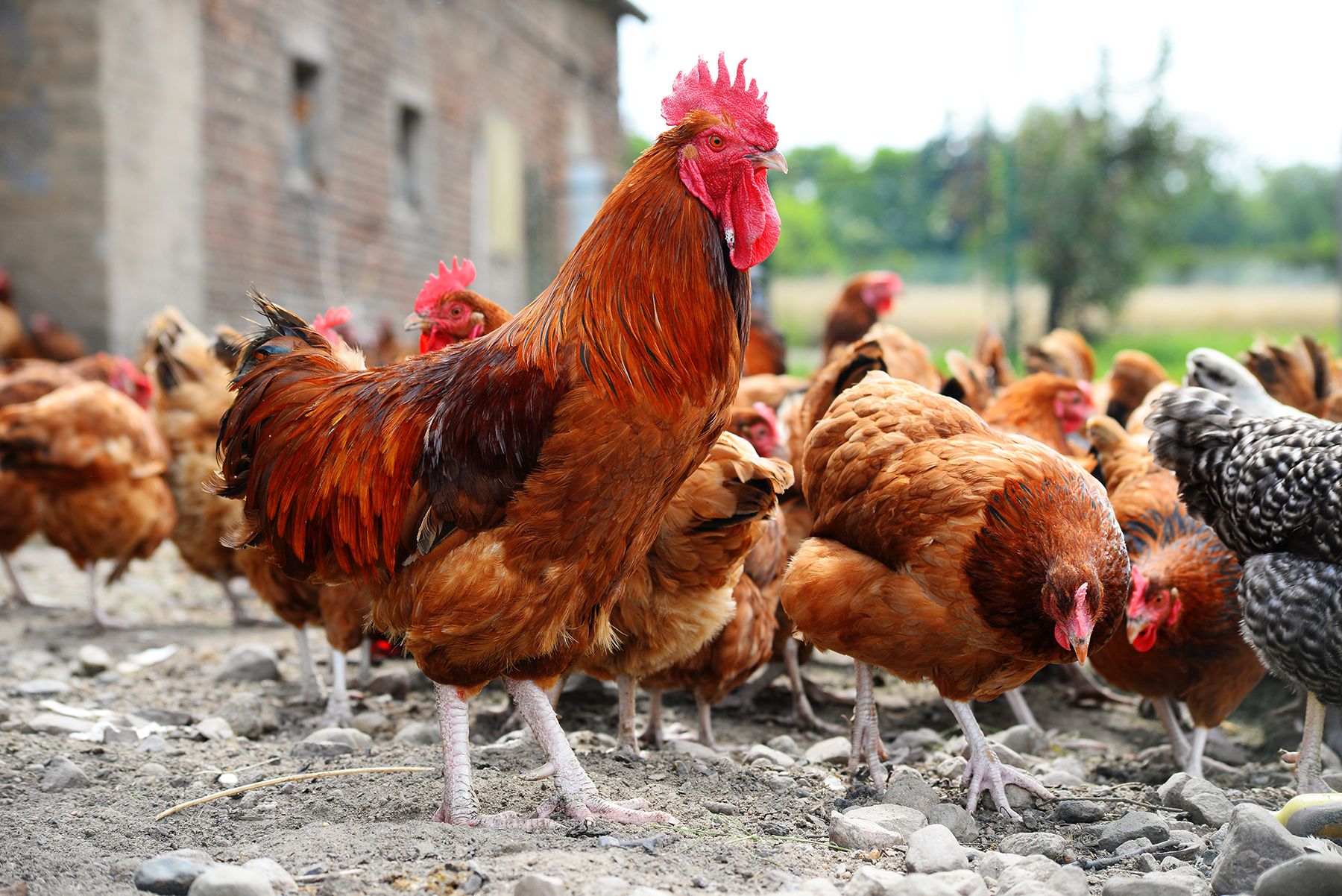
Incubating Swallow Belied and other rare egg breeds
Rare poultry eggs can produce exceptional birds, but they often require more careful handling than common commercial strains. “Swallow Belied” may appear under a slightly different spelling or breed description in breeder records, so confirm the exact variety, parent stock, and expected incubation period before setting eggs.
The same principle applies to unusual bantams, heritage chickens, ornamental ducks, geese, pheasants, quail, and peafowl. Their eggs may vary in size, shell texture, shape, and fertility. A steady incubation routine, accurate equipment, and detailed records give each embryo the best opportunity to develop normally.
Success begins before the eggs enter the incubator. Clean transport, appropriate storage, gradual warming, and careful monitoring matter just as much as temperature and humidity. Rare eggs are valuable, so preventing avoidable losses is especially important.
Identify the breed and incubation requirements
Start by obtaining written guidance from the breeder. Ask about the species, variety, average incubation length, egg age, fertility rate, and any known differences from standard poultry. A chicken egg commonly hatches in about 21 days, while many quail hatch sooner and ducks, geese, pheasants, and peafowl may require considerably longer.
Breed size also affects handling. Small bantam eggs can lose moisture quickly and may be difficult for automatic turners to grip. Larger waterfowl eggs need enough space for movement and may benefit from different humidity management. For background on size, growth, and housing differences, review this guide to bantam size differences before choosing equipment.
Select and store eggs carefully
Choose eggs that are naturally clean, intact, and free from hairline cracks, heavy staining, or unusual deformities. Do not wash hatching eggs, since washing can remove the protective bloom that helps limit bacterial penetration. If an egg is dirty, gently dry-brush loose debris rather than scrubbing the shell.
Store eggs with the pointed end facing downward in a cool, stable location, generally around 55–65°F (13–18°C), with moderate humidity. Turn stored eggs once or twice daily if they will remain in storage for more than a few days. Most poultry eggs are best set within seven days, although some species tolerate longer storage with reduced hatch potential. Begin with quality hatching eggs from healthy, well-managed parent birds.
Prepare the incubator before setting
Run the incubator empty for at least 24 hours. Check that the thermostat holds a stable temperature, the fan operates correctly, the vents open and close properly, and the thermometer and hygrometer provide credible readings. Place the incubator away from direct sunlight, drafts, heaters, and areas with frequent temperature changes.
Forced-air incubators are commonly set near 99.5°F (37.5°C), while still-air models may require a higher reading because they lack a fan. Always follow the equipment manufacturer’s instructions and verify measurements at egg height. Avoid constant adjustments based on tiny fluctuations; brief changes are less harmful than repeated overheating or cooling.
| Incubation factor | Typical starting point | What to monitor |
|---|---|---|
| Forced-air temperature | 99.5°F / 37.5°C | Stability at egg level |
| Still-air temperature | About 101–102°F / 38.3–38.9°C | Temperature at the top of the eggs |
| Early-stage humidity | Often 40–50% relative humidity | Air-cell growth and egg weight loss |
| Lockdown humidity | Often 60–70% relative humidity | Membrane moisture and hatch activity |
| Turning | At least 3–5 times daily | Changing position and consistent intervals |
| Ventilation | Gradually increase near hatch | Fresh air without chilling the eggs |
These figures are useful starting points rather than universal rules. Egg weight loss, air-cell development, and breeder-specific advice are more reliable than humidity numbers alone.
Turn eggs and manage moisture
Turning prevents the developing embryo from adhering to the shell membrane and supports even development. Mark each egg with an X and O using a pencil, then rotate it from one side to the other at regular intervals. Automatic turning is convenient, but confirm that the mechanism suits the egg size and shape.
Stop turning during the final three days, known as lockdown. Increase humidity according to the species and incubator design, and avoid opening the lid once pipping begins. Excessive opening releases heat and moisture, which can cause membranes to dry and trap chicks during hatching.
Humidity should be assessed alongside air-cell growth. If the air cell is too small, the eggs may be losing too little moisture; if it is too large, they may be drying too quickly. Adjust ventilation and water surface area gradually rather than making dramatic changes.
Candle without unnecessary handling
Candling with a bright LED light allows you to observe veins, embryo movement, and air-cell development. Candle in a dark room with clean, warm hands, and keep the process brief. Early candling can identify clear or infertile eggs, while later checks may reveal stalled development or a badly positioned embryo.
Do not discard an egg solely because development seems slow by a few hours. Rare breeds and eggs stored under different conditions may follow slightly varied timelines. Remove leaking, cracked, or foul-smelling eggs promptly, since contamination can threaten the rest of the clutch.
As hatch day approaches, chicks may pip internally before any external hole appears. This quiet stage can last many hours. Avoid assisting unless there is a clear, evidence-based reason and the chick is in serious difficulty; premature intervention can cause bleeding or injury.
Care for newly hatched birds
Leave newly hatched chicks or poults in the incubator until they are dry, alert, and steady, usually several hours. Moving them too soon lowers humidity and can disturb eggs that are still pipping. Once transferred, provide a clean brooder with secure walls, absorbent footing, fresh water, and species-appropriate starter feed.
Brooder temperature should be measured at the level of the birds, not just read from a wall-mounted thermometer. Active, evenly distributed birds usually indicate comfortable conditions. Huddling suggests cold, while constant panting and crowding near the edges may indicate excessive heat.
A practical incubation checklist
- Confirm the exact species, variety, and incubation period with the breeder.
- Inspect, label, and record every egg before setting it.
- Calibrate or cross-check temperature and humidity instruments.
- Turn eggs consistently and stop at lockdown.
- Record candling observations, hatch times, and any unusual outcomes.
Keep the first hatch as a learning record rather than judging the entire breed from one result. Notes on storage duration, weight loss, humidity changes, and chick vitality will make future settings more precise.
Choose healthy rare poultry and hatching eggs from a supplier that emphasizes careful handling, sound parent stock, and dependable shipping. Browse Premium Poultry Breeds to find distinctive birds and eggs for a thoughtful incubation project, then prepare your equipment before the shipment arrives.