Bantam And Standard Chickens For Productive Backyards
Choosing between bantam and standard chickens can shape nearly every part of a backyard flock, from coop design and feed costs to egg size and daily handling. Both types can be friendly, productive, and enjoyable, but they suit different goals and household conditions.
Bantams are miniature chickens with lively personalities and modest space requirements. Standard chickens, sometimes called large-fowl breeds, offer greater egg production, larger table birds, and a wider selection of heritage varieties. The best choice depends on whether your priority is companionship, breeding, eggs, meat, or a balanced homestead flock.
Understanding the size difference
Bantam chickens are generally one-quarter to one-half the weight of standard birds, although the exact size varies by breed. Some are miniature versions of familiar breeds, such as bantam Cochins or Plymouth Rocks, while others are naturally small breeds, including Sebrights and Belgian d’Anvers.
Standard hens commonly weigh between five and eight pounds, with roosters weighing more. Bantam hens may weigh less than two pounds, while larger bantam varieties can approach three pounds. This difference affects perch height, nesting boxes, fencing, feeder access, and the amount of room each bird needs to move comfortably.
Space, housing, and predator protection
A small backyard does not automatically require bantams, but their compact build makes them easier to accommodate. They need less coop floor space and can thrive in a carefully designed urban or suburban run. Their smaller droppings and lower feed consumption may also make routine maintenance more manageable.
However, bantams are more vulnerable to cold, wet conditions, and predators than many standard birds. A secure roofed run, narrow hardware cloth, and low, draft-free sleeping areas are especially important. Because some bantams fly surprisingly well, fencing may need to be higher than expected.
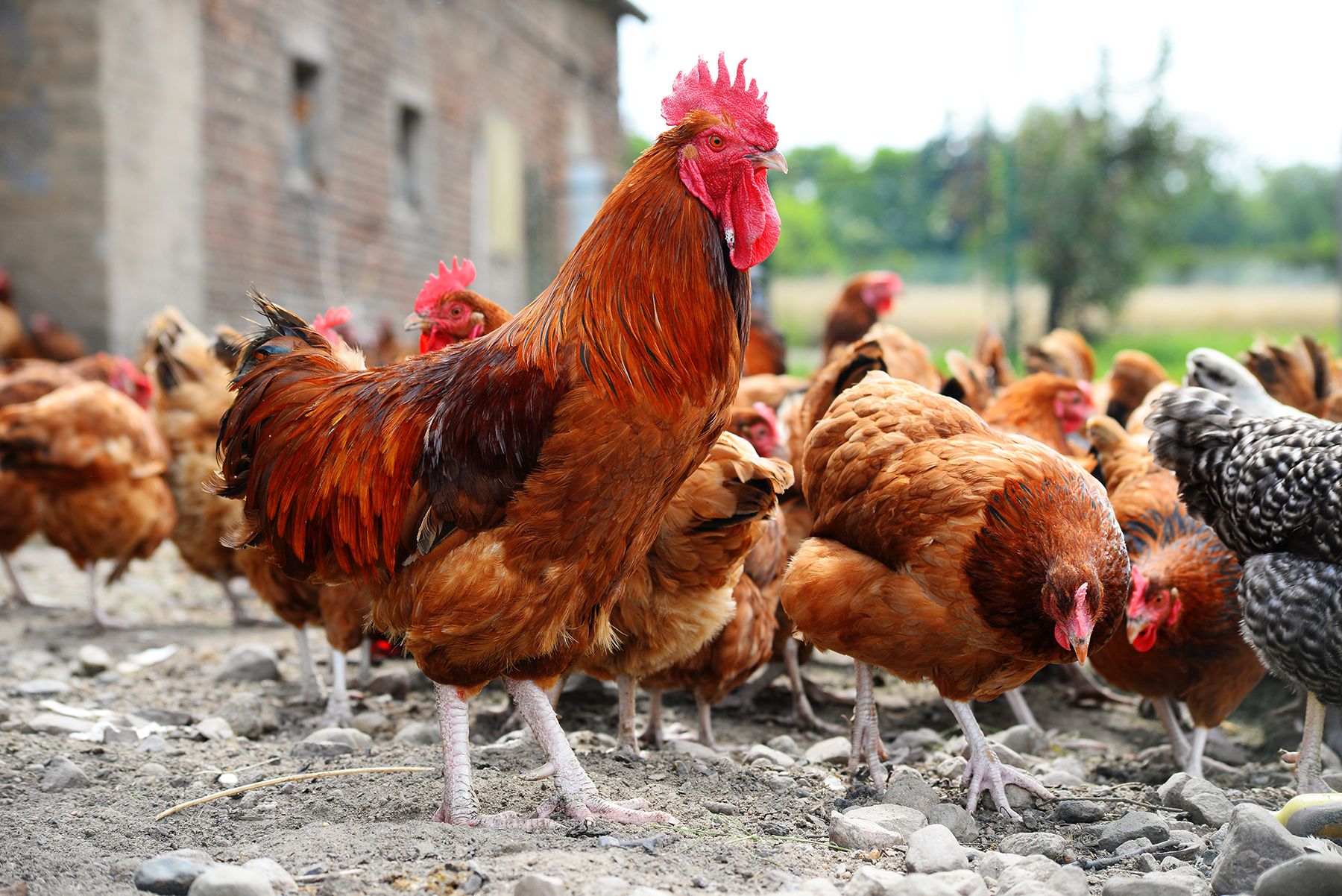
Standard chickens require more room but are often easier to manage in mixed outdoor conditions. Their larger bodies can provide better resilience during cool weather, although every breed still needs dry bedding, ventilation without drafts, and reliable protection from foxes, raccoons, hawks, and neighborhood dogs.
Eggs, meat, and household use
Standard hens usually lay larger eggs and are the practical choice for families that use eggs every day. Heritage breeds may produce fewer eggs than commercial hybrids, but they can bring attractive plumage, strong foraging instincts, and broody behavior to a backyard flock. Bantam eggs are smaller, though they are flavorful and useful for baking or specialty cartons.
For meat production, standard chickens are the clear choice. Their larger frames provide more usable meat, and many dual-purpose breeds can supply both eggs and a respectable table bird. Bantams are better suited to exhibition, breeding, ornamental enjoyment, and small-scale egg production than to filling a freezer.
Backyard owners interested in adding other poultry should also consider how housing and feeding needs overlap. For example, anyone exploring waterfowl can learn about raising Peking ducks before placing ducks near a chicken flock.
| Feature | Bantam chickens | Standard chickens |
|---|---|---|
| Adult size | Small, often under 3 pounds | Medium to large, often 5–8 pounds |
| Egg size | Small | Medium to large |
| Feed needs | Lower per bird | Higher per bird |
| Space requirement | Modest | Greater |
| Meat yield | Limited | More suitable |
| Flight ability | Often agile flyers | Varies by breed |
| Best suited for | Small yards, showing, companionship | Eggs, meat, breeding, homesteading |
Temperament and flock compatibility
Bantams are frequently active, alert, and confident despite their small size. Some are remarkably assertive around larger birds, while others are gentle and easy to tame. Their energy can make them entertaining, but it can also lead to bullying or competition at feeders when they are housed with much larger chickens.
Standard breeds vary widely in temperament. Orpingtons, Brahmas, and some heritage lines are often calm and easygoing, while lighter breeds may be energetic and more independent. Researching individual breed behavior is more useful than relying on size alone.
Mixed flocks can work when birds have enough space and multiple feeding and watering points. Avoid placing very small bantams with aggressive standard roosters, as accidental injuries can occur during mating or flock disputes. A separate bachelor pen or divided run may be the safest arrangement for incompatible birds.
Care, feeding, and breeding considerations
Both sizes need a complete age-appropriate poultry ration, clean water, grit when appropriate, and access to calcium for laying hens. Bantams eat less, but they should never receive a diluted diet simply because they are small. Their feed must still provide the correct balance of protein, minerals, and vitamins.
Bantam hens can be enthusiastic brooders, making them valuable for hatching eggs. Their smaller bodies, however, cannot safely cover as many large eggs as a standard hen. If natural incubation is part of your plan, match the hen’s size to the eggs and monitor her condition throughout the brooding period.
Standard hens are generally more practical for larger hatches and may be better mothers for standard-sized chicks. Regardless of breed, chicks need a warm, clean brooder and careful observation during the first weeks. Healthy stock from a responsible source gives new keepers a stronger start and reduces avoidable flock problems.
Choosing birds for your backyard
Before purchasing chicks, mature birds, or hatching eggs, match the breed to your available space and purpose. Consider the following priorities:
- Choose bantams for limited yards, ornamental appeal, gentle handling, or small-scale egg keeping.
- Choose standard chickens when larger eggs, meat production, or dual-purpose utility matters most.
- Select calm breeds for families with children and active breeds when free-ranging and foraging are central goals.
- Provide separate housing or carefully planned introductions for mixed-size flocks.
- Buy healthy, well-handled birds and confirm shipping arrangements, seasonal timing, and local poultry regulations.
A backyard flock succeeds when its design reflects the birds’ real needs rather than appearance alone. Bantams can bring charm and personality to a compact setting, while standard chickens offer greater utility for eggs, meat, and traditional homesteading. Explore healthy poultry breeds and hatching options that fit your space, then build a secure environment where every bird can thrive.