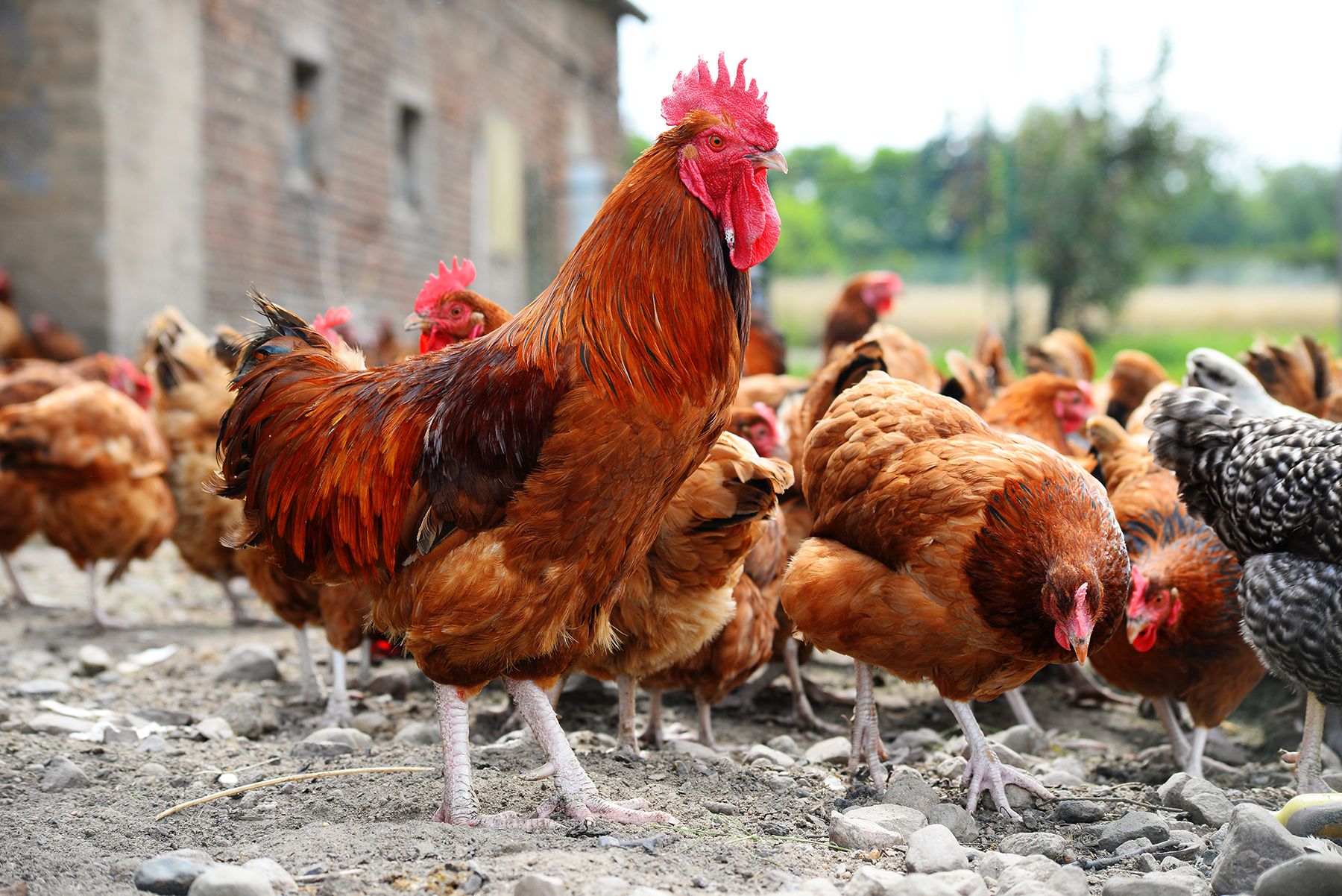
How to Select Mature Breeding Birds for Purchase
Selecting mature breeding birds requires more than choosing the largest or most attractive individuals. Age, health, temperament, fertility, breed standards, and previous performance all influence the quality of the offspring and the long-term value of your flock.
Mature birds can provide a clearer picture of adult size, feathering, body structure, and behavior than chicks. They may also begin contributing to your breeding program sooner, provided they have been raised properly and transported with care. Buyers can explore available poultry through Premium Poultry Breeds when looking for established birds, heritage varieties, bantams, waterfowl, or ornamental species.
Before purchasing, define the role each bird will serve. A breeding trio for colorful backyard poultry has different requirements from a flock intended for meat production, exhibition, conservation, or dependable egg laying. A specific goal makes it easier to judge whether a bird is genuinely suitable.
Define Your Breeding Goals
Start by identifying the traits that matter most to your operation. Egg production, growth rate, body size, plumage color, broodiness, cold tolerance, temperament, and rarity may all be important, but few birds excel equally in every category. Prioritize the characteristics that support your intended use.
Breed purity should also be considered. If you plan to sell chicks, hatching eggs, or registered stock, ask for clear information about lineage and breeding history. A bird with an appealing appearance may still be unsuitable if its ancestry is unknown or if it carries traits that conflict with your program.
Consider the number of birds required for a healthy breeding group. Chickens, ducks, geese, turkeys, quail, and pheasants have different social structures and space requirements. A balanced male-to-female ratio helps reduce aggression and supports consistent fertility.
Examine Health And Condition
A healthy mature bird should be alert, responsive, and appropriately active for its species. Look for clear eyes, clean nostrils, smooth breathing, well-kept feathers, and a body condition that is neither excessively thin nor obese. The vent should be clean, and the legs and feet should be free from obvious swelling, scabs, or deformity.
Inspect the bird’s movement carefully. Limping, reluctance to stand, twisted toes, uneven weight bearing, or a hunched posture can indicate injury, nutritional problems, or chronic disease. In waterfowl, check the legs and breastbone because poor footing, wet housing, or inadequate nutrition may affect mobility and body condition.
Ask about vaccination, parasite control, diet, and recent illness. A seller should be able to explain how the bird has been housed and handled. If possible, inspect the flock environment as well as the individual bird, since overcrowding, poor sanitation, and stress can raise disease risk.
Assess Conformation And Breed Traits
Conformation is the relationship between a bird’s bones, muscle, posture, and overall proportions. For breeding, choose individuals that represent the desired breed type without severe structural faults. A strong back, sound legs, appropriate breast width, and balanced stance are useful indicators of functional quality.
Study the head, comb, beak, wings, tail, and feather pattern according to the species and breed. Exhibition standards may demand precise details, while a practical homestead flock may place greater value on vigor, fertility, and useful production traits. Avoid selecting solely for unusual color if it comes with weak structure or poor health.
Temperament deserves equal attention. Calm birds are easier to handle, transport, examine, and integrate into a flock. Excessive aggression can create injuries and stress, while extreme fearfulness may make routine care difficult. A confident but manageable bird is often a stronger long-term choice.
Compare Age, Records, And Performance
Age affects fertility, productivity, and the remaining length of a bird’s breeding life. Young adults may offer many productive seasons, while older proven breeders provide valuable evidence of fertility, egg quality, hatchability, or offspring performance. Ask for the bird’s hatch date or an honest age estimate rather than relying on appearance alone.
Past records can reveal qualities that cannot be judged during a brief inspection. For hens, useful information may include laying consistency, egg size, shell quality, and broodiness. For males, ask about fertility rates, mating behavior, offspring vigor, and compatibility with females. In turkeys, ducks, geese, and other species, breeding success can vary significantly between individuals.
| Selection Factor | What To Check | Why It Matters |
|---|---|---|
| Health | Eyes, breathing, feathers, feet, body condition | Reduces disease and care risks |
| Age | Hatch date or reliable age estimate | Indicates likely breeding longevity |
| Structure | Legs, back, breast, wings, posture | Supports mobility and sound offspring |
| Temperament | Calmness, alertness, aggression level | Makes flock management safer |
| Records | Fertility, laying, hatchability, offspring | Provides evidence of breeding value |
| Lineage | Parentage and breed background | Helps preserve desired traits |
Match Birds To Their Environment
The best mature breeder for one property may be poorly suited to another. Review available shelter, fencing, pasture, water access, climate, and predator protection before buying. Large geese and turkeys require stronger infrastructure than small bantams or quail, while active waterfowl need secure access to clean drinking and bathing water.
Free-ranging can benefit ducks by encouraging natural behavior and access to varied forage, but it also increases exposure to predators, parasites, traffic, and contaminated water. Review the practical considerations in this guide to free-ranging ducks before choosing birds that will live outside a fully enclosed run.
Quarantine new arrivals before introducing them to established poultry. A separate, clean area allows you to monitor appetite, droppings, breathing, and behavior while reducing the chance of spreading illness. The quarantine period should also give birds time to recover from transport stress.
Plan Purchase And Transport Carefully
Reliable handling is especially important when purchasing mature poultry. Confirm the bird’s sex, age, breed, health status, and shipping or collection arrangements in writing. Ask how the bird will be packaged, what weather conditions may affect transport, and what support is available if a problem occurs after arrival.
Prepare the destination before the birds leave the seller. Set up clean bedding, fresh water, suitable feed, secure shelter, and a quiet recovery area. Avoid making immediate diet changes, unnecessary handling, or flock introductions during the first few days.
- Choose birds with documented lineage and relevant performance history.
- Request recent, well-lit photographs or videos showing posture and movement.
- Confirm sex ratios and compatibility with your existing flock.
- Arrange quarantine space before the purchase is finalized.
- Use experienced poultry transport or shipping services for live birds.
A thoughtful purchase protects the health of your flock and gives your breeding program a stronger foundation. When you are ready to source carefully handled mature poultry or compatible breeding stock, browse the available birds and hatching options at Premium Poultry Breeds and select animals that match your goals, facilities, and climate.