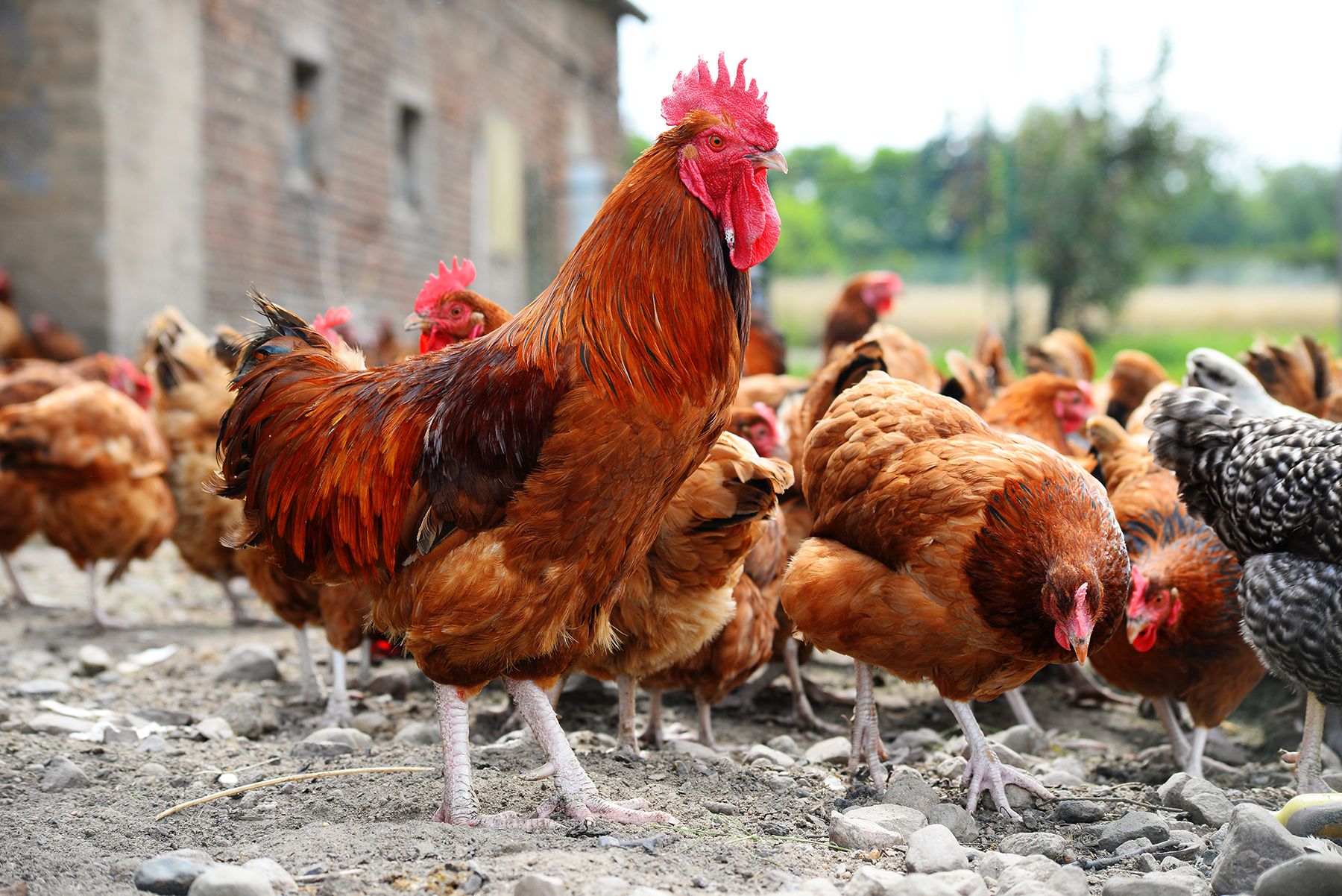
The benefits and challenges of free ranging ducks
Allowing ducks to roam across pasture, orchard, or garden areas can create a lively and productive homestead flock. Free-ranging birds enjoy space to forage, swim, socialize, and express natural behaviors that are difficult to support in a confined pen.
This system can reduce feed costs and improve pest control, yet it requires thoughtful planning. Ducks are vulnerable to predators, toxic plants, traffic, disease exposure, and poor weather. A successful setup balances freedom with shelter, supervision, and dependable daily care.
The right approach depends on your land, climate, flock size, and goals. Whether you keep heritage ducks for eggs, raise birds for breeding, or simply enjoy their personality, understanding the advantages and limitations will help you make better decisions.
How free ranging works for ducks
Free ranging usually means allowing ducks access to a large outdoor area for part or all of the day. They may explore grass, woodland edges, ponds, drainage ditches, or orchard paths while returning to a secure shelter at night. Some keepers use movable fencing to guide the flock and protect sensitive areas.
Ducks are excellent foragers. They search through soil, leaf litter, shallow water, and vegetation for insects, slugs, snails, seeds, and tender plant growth. Their feeding habits make them useful on homesteads, although they can also disturb young plants and muddy heavily used ground.
A managed free-range system is generally safer than unrestricted roaming. Fencing, guardian animals, locked housing, and regular head counts help maintain the benefits of open space without leaving the flock entirely exposed.
Benefits for health and behavior
Outdoor access encourages movement, natural bathing, digging, grazing, and social interaction. Regular activity can support healthy muscle development and help reduce boredom-related behaviors such as excessive feather picking. Sunlight and fresh air also contribute to a more stimulating daily environment.
Foraging adds variety to a duck’s diet. Natural foods should not replace a balanced commercial ration, especially for laying females, growing ducklings, or breeding stock, but they can provide enrichment and nutritional variety. Access to clean drinking water remains essential because ducks need to rinse their bills while eating.
A spacious environment may also reduce crowding and competition. When the flock has room to spread out, dominant birds have fewer opportunities to repeatedly harass weaker companions. This is particularly valuable when keeping several varieties or mixed-age groups.
Lower costs and useful land management
A free-ranging flock can reduce reliance on purchased feed when the property offers abundant vegetation and invertebrates. Ducks may consume many garden pests without the same level of scratching associated with chickens, making them useful around established plants and orchard rows. Their manure adds nutrients to the soil, although concentrated waste near waterers or shelters can create sanitation problems.
Free-ranging ducks also bring activity to underused areas. They can help manage weeds around paths, forage beneath fruit trees, and turn over shallow leaf litter. Their presence may support a more varied homestead ecosystem when their movement is directed away from delicate crops and erosion-prone ground.
The savings are not automatic. Ducks still need complete feed, grit where appropriate, clean water, secure housing, and veterinary attention. If the land is sparse, muddy, or heavily grazed, feed consumption may remain close to that of confined birds.
Risks from predators, plants, and weather
The greatest challenge is exposure to predators. Foxes, coyotes, raccoons, dogs, hawks, owls, and large snakes can threaten ducks, especially young birds and smaller bantam varieties. Open ponds and tall grass may make it difficult to see danger approaching, while dusk and dawn are common attack periods.
Free-ranging birds can also encounter poisonous plants, pesticides, standing water contaminated by runoff, or discarded materials. Ducks are curious and may swallow gravel, plastic, or other hazards. Inspecting the property before releasing them and avoiding chemical treatments in their grazing area are important safeguards.
Weather creates another concern. Ducks tolerate cold better than many poultry breeds when they have dry bedding and protection from wind, but wet feathers, freezing rain, heat, and deep mud can cause stress. Shade, ventilation, dry shelter, and unfrozen drinking water should be available every day.
Choosing the right system
The best arrangement is often a hybrid model: outdoor access during safe daylight hours, followed by secure housing overnight or during severe weather. The comparison below shows how different management styles affect daily care.
| Management style | Main advantages | Common drawbacks | Best suited to |
|---|---|---|---|
| Fully enclosed run | Strong predator control and easier monitoring | Higher feed use, less space, faster ground wear | Small yards and high-risk areas |
| Supervised free range | Natural foraging with better oversight | Requires time and daily consistency | Homesteads with nearby outdoor space |
| Fenced pasture | Good balance of movement and protection | Fencing requires investment and maintenance | Medium and large properties |
| Unrestricted roaming | Maximum exploration and low fencing cost | High risk from predators, roads, and gardens | Very rural, carefully assessed locations |
Breed selection should match the environment. Larger, active ducks may thrive on pasture but need strong fencing, while smaller birds can be more vulnerable to aerial predators. When expanding a flock, review healthy chicks and choose stock suited to your climate, purpose, and available facilities.
Housing, water, and flock routines
A reliable nighttime shelter should be dry, well ventilated, and easy to clean. Use secure doors and hardware cloth where predators may reach through openings. Ducks do not need a deep swimming pond to thrive, but they do need water deep enough to clean their bills and nostrils. Place bathing areas away from feeders and high-traffic entrances to limit mud.
Daily routines make free ranging safer. Count the flock before release, observe whether every bird returns, and check feet, feathers, eyes, and body condition regularly. Sudden isolation, limping, reduced appetite, or changes in droppings may indicate illness or injury.
Newly acquired birds require particular care during transition. Quarantine, gradual introduction, and preparation of transport-ready housing reduce stress and disease risk. Detailed guidance on shipping live birds can help keep the arrival process organized before birds join an established flock.
Practical steps for a safer flock
Start with a limited outdoor area and expand access as you learn how the ducks behave. These steps provide a strong foundation:
- Install predator-resistant fencing and close the flock into secure housing before nightfall.
- Provide shade, dry bedding, clean drinking water, and a bathing area that can be drained or refreshed.
- Remove toxic plants, garden chemicals, sharp debris, and standing water contaminated by runoff.
- Use complete feed as the nutritional foundation, with natural forage treated as an addition.
- Keep records of flock numbers, health observations, laying performance, and predator activity.
Review the setup seasonally. A pasture that works in spring may become muddy in winter, while summer heat may require additional shade and water points. Rotating access areas protects vegetation and prevents waste from accumulating in one location.
Free ranging ducks can bring energy, pest control, and natural enrichment to a homestead when their environment is managed with care. Choose suitable birds, prepare secure facilities, and build a routine that protects the flock while allowing it to benefit from fresh air and open ground. Explore quality poultry stock from Premium Poultry Breeds to begin or strengthen a healthy, well-managed flock.