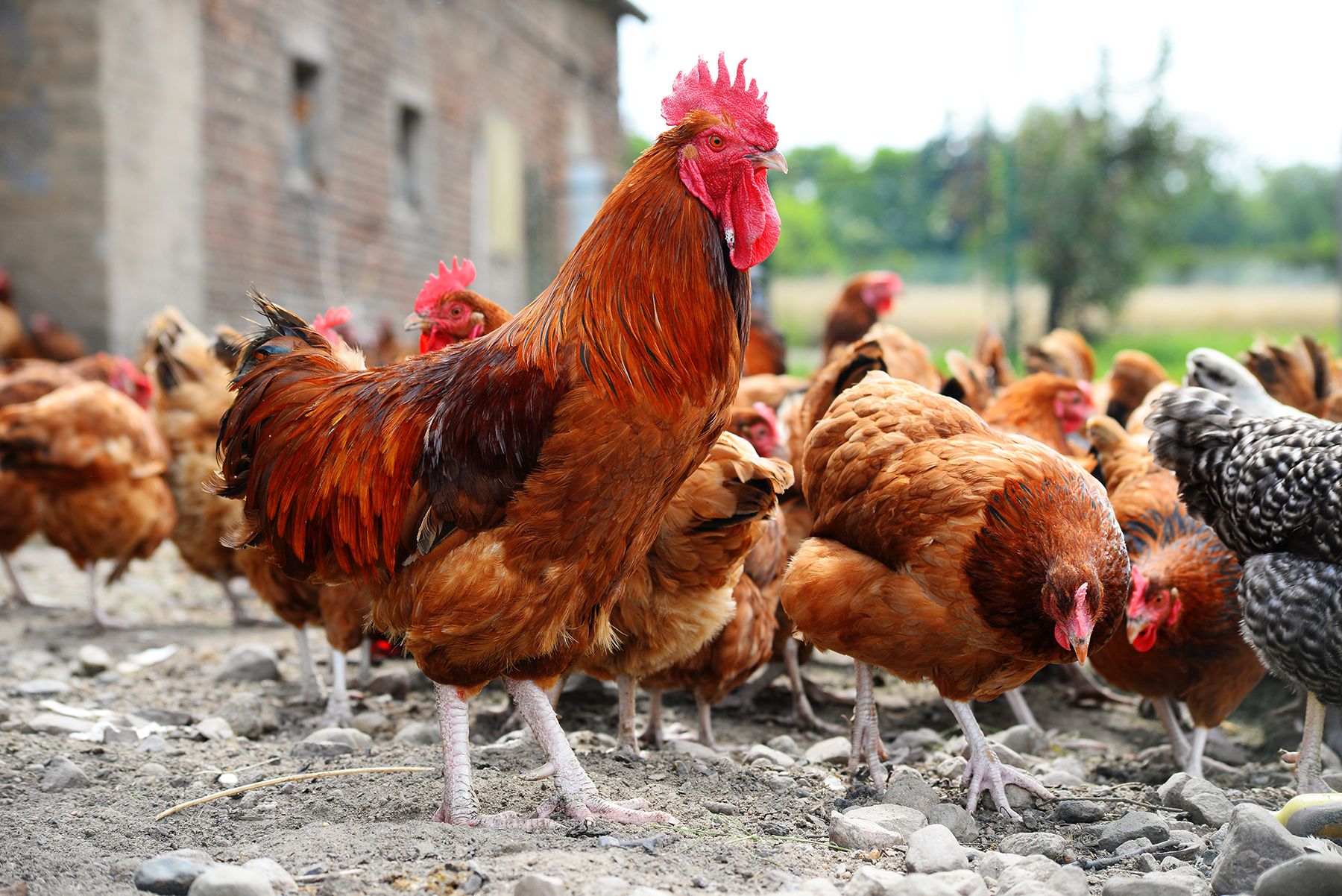
The Best Poultry Breeds for Small Homesteads Under One Acre
A small homestead can produce a surprising amount of food, income, and enjoyment when its poultry is selected with care. The right breeds provide dependable eggs, meat, breeding stock, or pest control without overwhelming limited pasture, housing, or labor.
Space is only one part of the decision. Noise, temperament, climate, feed consumption, foraging habits, and local regulations all influence whether a flock remains manageable. Productive birds with calm dispositions are often a better fit than large, highly active breeds that require extensive range.
The best poultry breeds for small homesteads under one acre are usually versatile chickens, compact bantams, efficient ducks, and carefully chosen specialty birds. A mixed flock can work well, provided each species has suitable shelter, water access, and protection from predators.
Choosing Birds For Limited Space
Begin by defining the flock’s primary purpose. Laying breeds are valuable when fresh eggs are the priority, while dual-purpose chickens offer both eggs and table meat. Ducks can excel in wet areas and often produce generously, but they need thoughtful water management to prevent muddy conditions.
Temperament matters just as much as production. Docile birds are easier to handle, integrate more smoothly into a family setting, and create less disruption in a compact yard. Heritage breeds may mature more slowly, yet their hardiness, natural brooding ability, and distinctive appearance make them appealing for long-term homestead flocks.
Productive Chicken Breeds
For reliable egg production, Australorps, Sussex, Plymouth Rocks, and Orpingtons are strong choices. Australorps are known for steady laying and a generally calm nature. Sussex chickens are active foragers, while Plymouth Rocks combine dependable brown eggs with useful carcass size.
Orpingtons are especially suitable for families that value gentle birds and attractive colors. They are not the most efficient layers in every environment, but their calm behavior and dual-purpose qualities make them easy to manage. For smaller spaces, keeping six to eight hens without a rooster can provide a practical household egg supply.
Bantams deserve consideration when space is tight. Their smaller bodies reduce feed needs, and many varieties are friendly, ornamental, and excellent for children. They produce smaller eggs and are less useful for meat, so they work best as a compact layer group or as companions to standard-sized hens. Quality available chicks can help homesteaders begin with healthy stock selected for their intended goals.
Comparing Suitable Poultry Options
The following breeds and bird types illustrate how different choices fit common small-acreage priorities. Actual performance depends on genetics, feed, housing, weather, and daily care.
| Breed or Type | Main Strength | Space Consideration | Temperament |
|---|---|---|---|
| Australorp | Consistent egg production | Moderate | Calm |
| Plymouth Rock | Eggs and meat | Moderate | Friendly |
| Orpington | Gentle dual-purpose bird | Moderate | Docile |
| Pekin Duck | Meat and plentiful eggs | Needs managed water area | Usually placid |
| Coturnix Quail | Eggs and rapid maturity | Very compact | Quiet and manageable |
| Bantam Chicken | Small size and ornamental appeal | Low | Varies by variety |
| Heritage Turkey | Seasonal meat and breeding | High | Varies widely |
Coturnix quail are particularly efficient where zoning rules permit them. They mature quickly, require little floor space, and produce edible eggs, but they need secure housing because they fly more readily than chickens. Their small size also means they should be protected from temperature swings and household predators.
Ducks For Eggs And Wet Areas
Pekin ducks are a practical choice for homesteads seeking substantial meat birds with useful egg production. They grow quickly, have a generally manageable temperament, and can thrive without a pond if supplied with clean drinking water and a bathing container that is easy to drain. Their droppings are wetter than chicken manure, so drainage and bedding management are essential.
A small duck group can fit comfortably on limited acreage when the enclosure is rotated and the wet area is kept away from entrances, feed storage, and muddy high-traffic zones. Detailed guidance on feeding, housing, and daily care is available in this Peking duck guide, particularly for first-time keepers.
Runner ducks and Welsh Harlequins may suit households that prioritize eggs and active foraging over meat. They are energetic, effective at searching for insects, and often lighter on the landscape than heavy meat ducks. Geese can be useful as alert animals, but their noise, size, and territorial behavior make them less suitable for many close neighbors.
Planning A Manageable Mixed Flock
A mixed flock should be assembled gradually rather than all at once. Quarantine new arrivals, provide species-appropriate feeders, and observe behavior before combining birds. Chickens and ducks can share some outdoor areas, but separate sleeping quarters often make sanitation and disease prevention easier.
A practical starter arrangement might include:
- Six to eight standard hens for household eggs
- Two or three ducks if water and drainage can be managed
- A small group of bantams for ornamental interest or brooding
- Coturnix quail in a secure, separate enclosure
- One rooster only when breeding is an intentional goal
Overcrowding creates odor, parasites, aggressive behavior, and faster pasture damage. Plan for expansion before buying birds, including predator-proof fencing, shaded resting areas, dry bedding, and a reliable method for handling manure. Local restrictions on roosters, ducks, turkeys, and slaughter should also be checked before choosing a breed.
Specialty Birds And Homestead Value
Turkeys, pheasants, peafowl, and geese can add character to a small property, but they require more careful planning than compact chickens or quail. Turkeys need considerable room and should generally be managed separately from chickens because of disease risks. Peafowl are visually striking yet noisy, long-lived, and capable of roaming beyond the property.
Heritage poultry can be worthwhile for breeders who value conservation, natural behavior, and distinctive appearance. However, slower growth and seasonal production may make these birds less efficient for households focused strictly on food output. Selecting healthy, well-handled stock is especially important when building a breeding flock or ordering birds for shipment.
For most properties under one acre, a focused flock is more successful than a collection of every appealing breed. Match the birds to the available shelter, climate, household needs, and time for daily care. Browse carefully selected poultry breeds and hatching options at Premium Poultry Breeds to start a productive, healthy flock suited to your homestead.