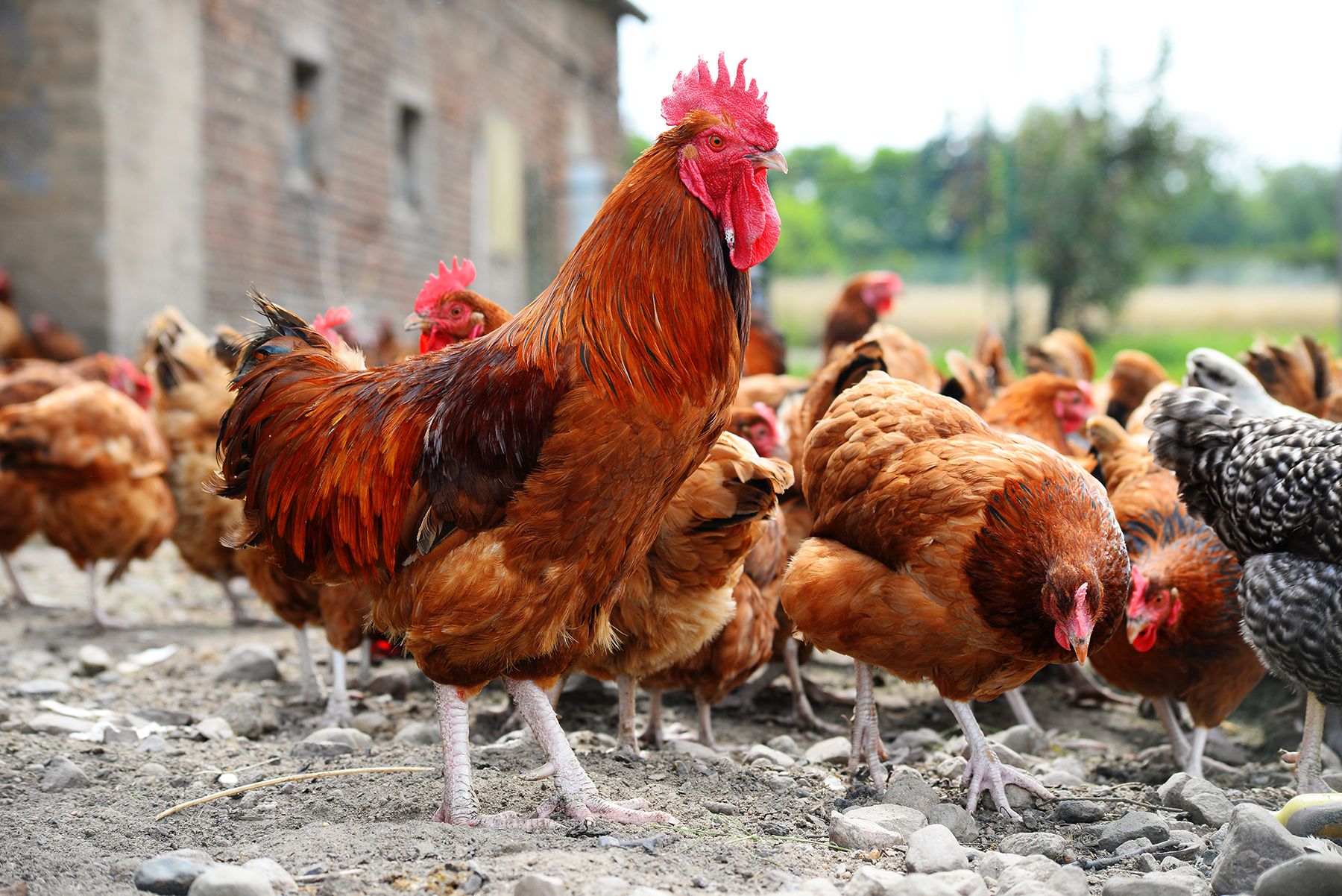
How To Identify And Remove Broody Breeds Without Incubation
Broodiness is the natural drive that makes a hen sit tightly on eggs, growl when approached and stop following her normal laying routine. It can be useful when you want to raise chicks, but it becomes inconvenient when there is no fertile clutch, incubator or suitable breeding plan.
Learning how to identify and remove broody breeds without incubation helps keep a backyard flock productive and comfortable. The aim is not to punish the hen or force her off the nest repeatedly, but to interrupt the hormonal cycle safely and consistently.
Some breeds are more likely to brood than others. Silkies, Cochins, Sussex, Orpingtons and many bantams commonly show strong maternal behaviour, while individual hens from usually non-broody breeds can also become determined sitters.
Australian owners need to consider heat, sudden weather changes, council rules and local predator pressure. A broody hen in a poorly ventilated nesting box can overheat during a Queensland summer, while damp conditions around Melbourne or Tasmania can increase the risk of chilled, dirty feathers.
| Sign or situation | What it usually means | Suitable response |
|---|---|---|
| Hen stays on the nest after laying | Early broodiness or nesting habit | Collect eggs often and block access after laying |
| Growling, puffed feathers and pecking | Strong defensive broody behaviour | Handle calmly and inspect for injuries |
| Bare breast, reduced appetite and fewer droppings | Established broodiness | Use a safe, ventilated broody breaker |
| Several hens share one nest | Broodiness may spread through the flock | Separate affected birds and provide extra nest space |
| Hen returns to the nest after removal | The hormonal cycle is still active | Repeat the routine consistently for several days |
Recognising A Broody Hen
A broody hen often spends most of the day in the nesting box, even when no eggs are present. She may flatten herself, spread her wings slightly, fluff her feathers and make a low clucking or growling sound. A broody bird can peck when lifted, but this is usually defensive nesting behaviour rather than general aggression.
Look for changes in droppings as well. Broody hens may leave the nest only once or twice daily, producing a larger, stronger-smelling dropping than usual. They can lose condition quickly if they are not eating and drinking enough, so check the crop, weight, feet and breast area during a brief daily inspection.
Breed reputation is a useful guide, not a diagnosis. A bantam hen may brood frequently, but a heritage Australorp or backyard cross can do the same. Record which birds show the behaviour, especially if you plan to select future layers for a low-broodiness flock.
Checking Whether Incubation Is Appropriate
Before breaking broodiness, confirm that you do not actually want the hen to hatch chicks. Fertile eggs, a quiet brooding pen and a plan for raising young poultry may make natural incubation worthwhile. If you keep a rooster, candle or fertility-check eggs only when appropriate, and avoid leaving a hen on a mixed clutch indefinitely.
If incubation is not wanted, remove eggs several times a day and inspect the nesting area for hidden clutches. A free-ranging hen may be sitting under a shed, behind hay bales or in a garden corner. In Australian rural properties, snakes, foxes, rats and feral cats can find an unattended nest quickly.
Where a rooster is causing repeated mating injuries or flock disruption, improve separation and handling procedures before moving the hen. The guidance in these rooster safety tips is useful when a broody hen must be collected from a mixed flock.
Gentle Ways To Break Broodiness
Start by removing the hen from the nest and placing her in a bright, secure run with food and cool, clean water. A wire-based broody breaker allows air to circulate beneath her breast and removes the dark, enclosed nesting conditions that reinforce broodiness. It should have a solid resting area or suitable flooring so her feet are protected.
Never dunk a hen in cold water, use ice, restrict food or leave her exposed to sun, rain or predators. These methods create stress and can cause shock, hypothermia, heat stress or foot injuries. In hot parts of Western Australia, Queensland and the Northern Territory, shade and airflow are especially important.
Keep the hen in the breaker until she stops trying to nest, which may take two to five days, sometimes longer for persistent Silkies or bantams. Release her during daylight into a run without nest boxes and watch her for several hours. If she immediately settles into a nest, return her to the breaker and continue monitoring.
Managing The Flock During Recovery
Give the recovered hen easy access to balanced layer feed, fresh water and a shaded resting area. Avoid putting her straight back into a crowded coop where dominant birds may chase her away from food. A short supervised reintroduction can reduce pecking and help you confirm that she is walking, eating and dust-bathing normally.
Clean the nesting boxes and collect eggs frequently. Dark, comfortable boxes packed with deep straw encourage repeated brooding, especially when several hens are sharing the same space. Good ventilation, dry litter and regular checks are important during wet winters in Victoria and New South Wales.
Watch for parasites, breast sores, weight loss, limping or persistent lethargy. Broodiness should improve with separation and environmental changes; illness can look similar, so contact an avian veterinarian if the hen remains weak or refuses food.
Planning A Lower-Broodiness Flock
If you want reliable egg production, select birds from lines known for steady laying and lower maternal tendency. Individual temperament still matters, and a hen that has brooded once may repeat the behaviour. Keep records of hatch dates, breed, broodiness, egg numbers and health so future purchases are based on evidence rather than breed names alone.
Australian buyers should also consider freight distances, seasonal availability and state biosecurity requirements when sourcing replacement poultry or hatching eggs. Reputable sellers should explain health controls, packing practices and delivery expectations, whether the birds are destined for a suburban block in Adelaide or a larger property near Toowoomba. Resources such as Jerry Aussie Farm can also help owners compare practical poultry-keeping information.
Good flock design makes broodiness easier to manage: provide more than one nesting area, keep boxes clean, prevent hidden outdoor nests and maintain shade during heatwaves. For homesteaders, breeders and backyard chook keepers, a calm routine usually resolves the problem without compromising the hen’s welfare.
Choose healthy, well-handled birds from a dependable poultry source, and prepare a ventilated broody breaker before the next determined sitter appears. Explore the available breeds and hatching options at Premium Poultry Breeds to build a flock suited to your property, climate and plans.