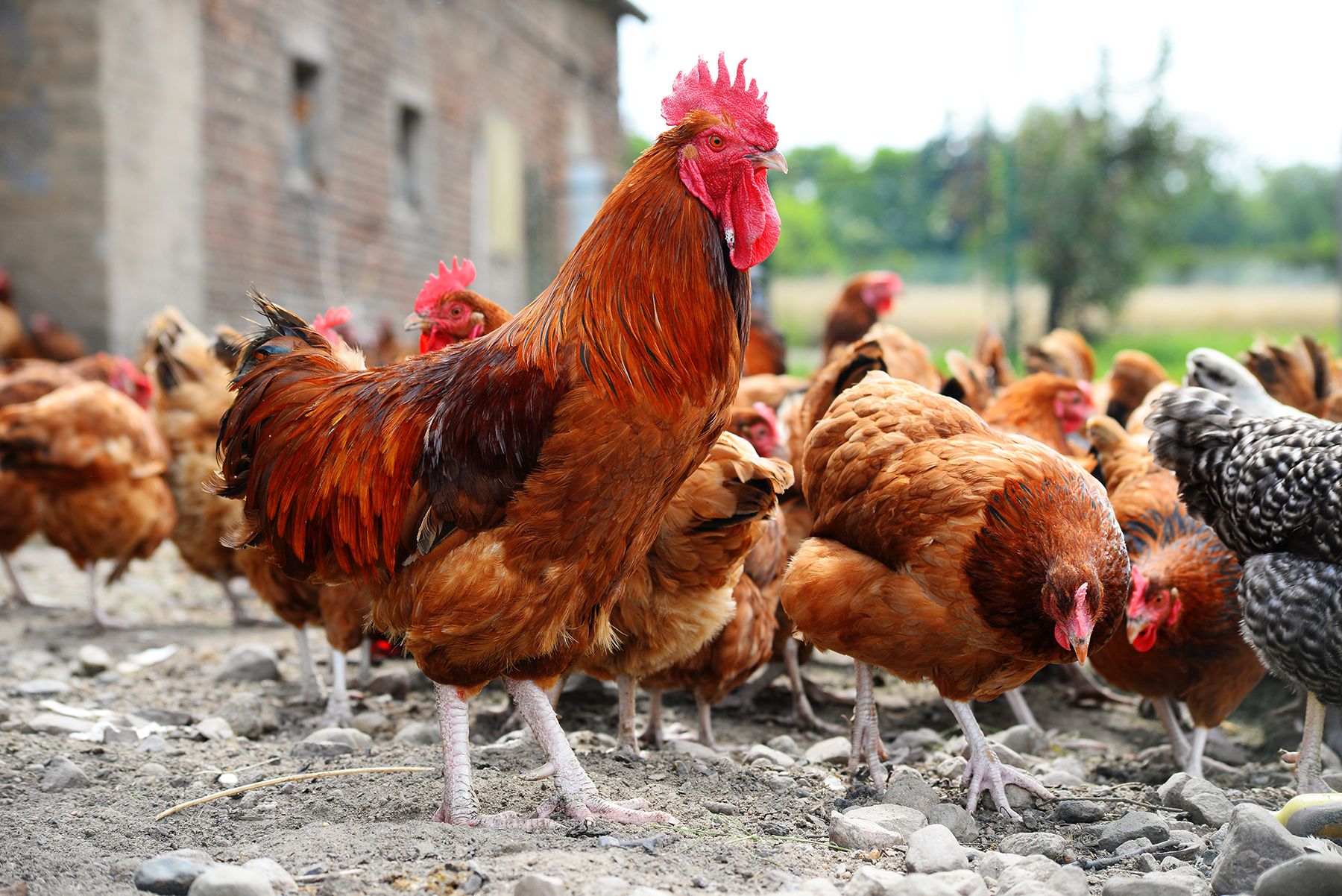
Handling Aggressive Roosters Safely: Tips for Owners
A rooster can be valuable to a backyard flock. He may alert hens to danger, help maintain flock order, and contribute desirable traits to future chicks. However, territorial behavior can become dangerous when a bird repeatedly charges, spurs, or attacks people.
Aggression often appears during adolescence, breeding season, or periods of flock change. It may also develop when a rooster feels threatened, lacks space, or learns that rushing people makes them retreat. Careful observation and consistent handling can reduce risk while protecting both the bird and its handlers.
Safety should come first for homesteaders, breeders, hobby farmers, and families raising poultry. The aim is to manage behavior calmly, identify genuine danger, and make a responsible decision about whether the rooster can remain in the flock.
Understand what triggers the behavior
Roosters may attack when someone enters their territory, approaches hens, collects eggs, or moves too quickly. Some birds react to shiny boots, raised hands, or direct eye contact. Others become defensive after being frightened, chased, or handled roughly when young.
Watch for warning signs before an attack. A rooster may lower his head, fan his neck feathers, sidestep, stare intensely, or circle with one wing held low. Crowing alone is not aggression, but repeated charging, pecking, jumping, and striking with spurs require immediate precautions.
Keep a simple record of when incidents occur. Note the location, people involved, nearby hens, weather, and time of day. Patterns can reveal whether the issue is territorial, seasonal, resource-related, or linked to one particular routine.
Make the poultry area safer
Do not allow young children to enter an enclosure with a hostile rooster. Visitors should also be told where the bird is and how to avoid contact. Use a separate gate, secure latch, or temporary barrier so the rooster cannot slip past you when you enter or leave.
Wear sturdy trousers, closed boots, and thick gloves when necessary. Gloves protect hands during routine work, but they should not encourage careless handling. Eye protection can be useful if the rooster jumps toward the face, and a solid board or feed bucket can serve as a temporary shield.
Remove clutter from walkways and provide enough room for people to move without being cornered. Crowded runs increase stress and make it harder to separate a bird safely. Check fencing, doors, and shelter entrances regularly so an aggressive rooster cannot escape into areas used by children or other animals.
Choose a calm handling method
Never chase a rooster around the run. Chasing increases panic, teaches him that people are a threat, and creates opportunities for falls or accidental injury. Move slowly, keep your body turned slightly sideways, and use a barrier to maintain space while you approach.
If you must catch the bird, wait until evening when poultry are naturally calmer, or guide him into a small enclosed area with feed. Hold the wings securely against the body without squeezing the chest. Support the legs and keep the rooster close to your side rather than carrying him out in front of you.
| Situation | Safer response | Avoid |
|---|---|---|
| Rooster postures or circles | Step back behind a barrier and wait | Kicking or waving arms |
| Bird charges | Block with a board or bucket | Turning and running |
| Routine enclosure work | Secure him in a separate pen | Working while distracted |
| Necessary capture | Use a confined space and two adults if possible | Grabbing at a flying bird |
| Serious repeated attacks | Separate and assess his future | Allowing unrestricted access |
After an incident, check for punctures, bruising, and scratches. Rooster spurs can cause significant wounds, especially around the legs and hands. Clean injuries promptly and seek medical care for deep punctures, swelling, signs of infection, or wounds near the eyes.
Correct behavior without provoking the bird
Consistency matters more than force. A rooster should not be rewarded with access to people, feed, or hens immediately after an attack. Calmly block him, regain control of the space, and return him to a secure pen. This teaches that aggressive behavior ends access rather than controlling the handler.
Avoid hitting, throwing, or deliberately frightening the bird. Physical punishment may increase fear and unpredictability, and it can damage trust between the flock and its caretaker. Confident posture, predictable routines, and controlled distance are safer tools for modifying behavior.
Some owners use a brief separation period to determine whether the bird settles when removed from the flock. Reintroduce him only when the enclosure can be monitored safely. If attacks resume quickly, permanent separation or rehoming may be more responsible than repeated confrontation.
Protect hens and mixed poultry
An aggressive rooster can injure hens through excessive mating, persistent chasing, or fighting with other males. Provide enough feeders, drinkers, hiding areas, and resting spaces so subordinate birds can move away from him. Examine hens regularly for missing feathers, wounds, lameness, and weight loss.
Mixed-species yards require extra care. Ducks, geese, turkeys, quail, and pheasants have different body sizes and escape behaviors, so a rooster that targets them can cause serious stress or injury. Owners expanding beyond chickens may find this Peking duck guide useful when planning separate housing and feeding areas.
Keep breeding goals separate from wishful thinking. A handsome, productive, or valuable rooster should not remain in a flock if he creates an ongoing safety hazard. Temperament is an important trait to consider when selecting future breeding stock.
Practical safeguards for every day
A written routine helps every member of the household respond the same way. Use the same gates, barriers, protective clothing, and separation procedures each time. If another adult must care for the flock, explain the rooster’s behavior clearly rather than assuming they will recognize his warning signs.
Use these safeguards as a daily checklist:
- Secure the rooster before children or visitors enter the poultry area.
- Keep a board, bucket, or other safe barrier near the enclosure.
- Inspect hens for injuries and monitor the rooster’s behavior.
- Record attacks, triggers, and successful calm interactions.
- Separate, rehome, or replace a bird that remains dangerously aggressive.
If a rooster cannot be managed without fear or repeated injury, humane removal from the flock is a sound husbandry decision. Contact an experienced poultry keeper, veterinarian, or reputable breeder for appropriate rehoming options, and never release a domestic bird into the wild.
Healthy stock and careful flock planning make daily poultry care safer from the start. Explore responsibly selected chickens, bantams, ducks, geese, turkeys, and other poultry at Premium Poultry Breeds to build a flock suited to your space, experience, and handling routines.