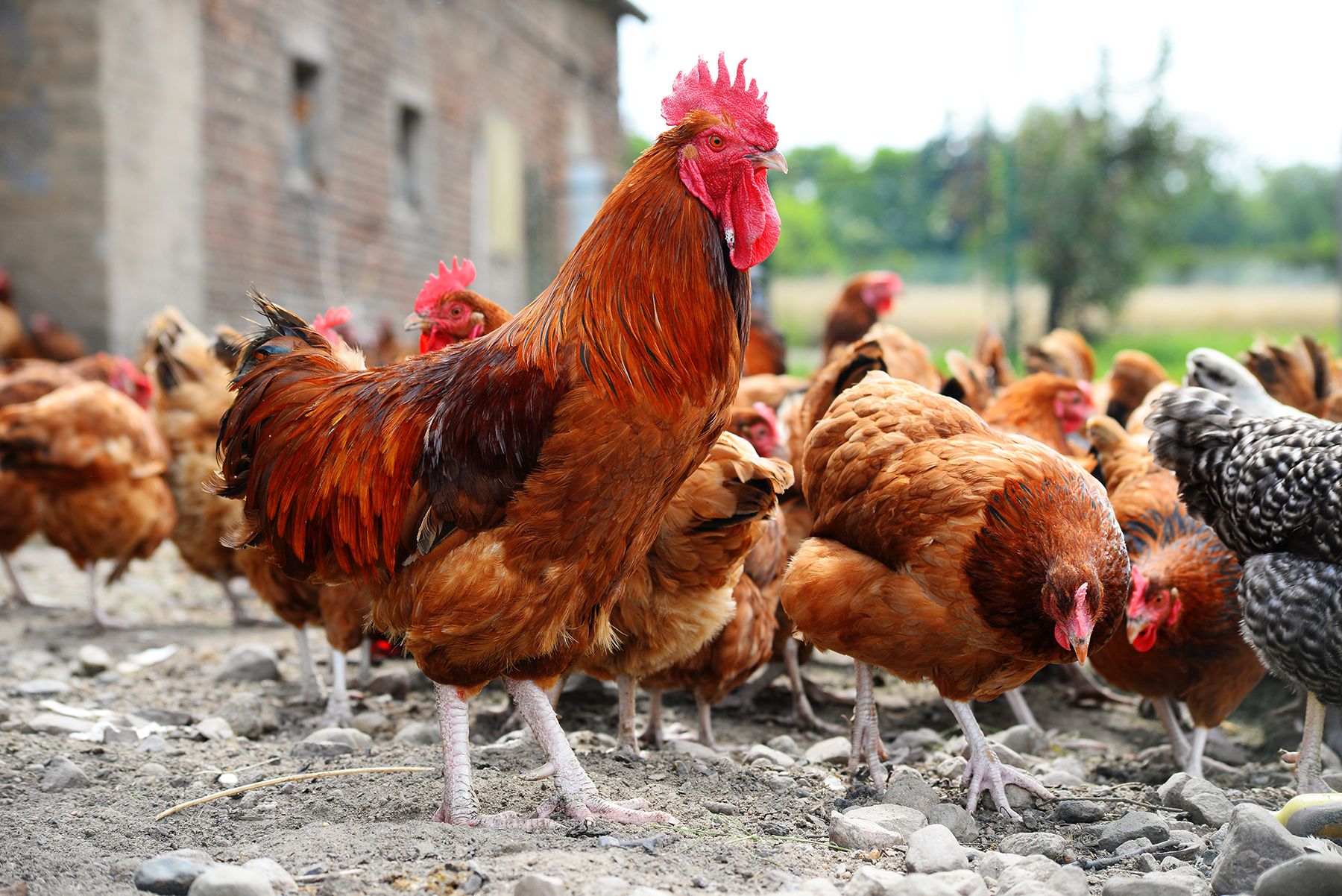
How to Hand-Feed and Tame Show Chickens
Show chickens are judged on condition, feather quality, posture and temperament, so early handling has practical value beyond making a bird friendly. A calm chicken is easier to inspect, transport, photograph and present in the pen. Hand-feeding can build trust while helping the bird associate people with safe, rewarding experiences.
The best results come from consistency rather than restraint. Spend a few quiet minutes with your birds each day, using the same gentle movements and calm voice. This approach suits exhibition breeds, bantams, heritage chickens and young birds being prepared for local poultry shows across Australia.
Timing matters in the Australian climate. Work in the cool part of the morning during a Brisbane summer, or choose a sheltered afternoon in Melbourne or Adelaide when the weather is mild. Always follow local council rules, property requirements and biosecurity procedures when keeping or transporting poultry.
Build Trust Before Offering Food
Begin by sitting near the enclosure without reaching for the bird. Let your show chickens observe you as you replace water, scatter bedding or check the coop. Sudden movements, chasing and grabbing from above can create a lasting fear response because chickens naturally associate overhead motion with predators.
Once the flock remains settled, place a small treat on your open palm. Suitable options include a few mealworms, chopped leafy greens, corn kernels or a little high-quality poultry crumble. Keep portions modest so treats do not replace a balanced ration, especially for birds being conditioned for the show bench.
Start with the quietest bird rather than the most nervous one. When that chicken approaches, keep your hand still and allow it to take food at its own pace. Other birds will often copy the behaviour, making future sessions easier.
Use Calm Handling Techniques
When a chicken accepts food confidently, introduce gentle contact. Stroke the breast or side of the neck with one finger, then stop before the bird becomes tense. Gradual contact is especially useful for Silkies, Pekin bantams and other breeds with distinctive plumage that may need careful inspection.
To lift a bird, place one hand over the back and wings while supporting the body with the other hand. Keep the wings secure without squeezing the chest, as birds need room for normal breathing. Hold the chicken close to your body, keep its feet supported and lower it smoothly rather than allowing it to jump.
Practise brief handling sessions on a low, non-slip surface. This helps a chicken become comfortable with being examined for comb condition, feet, feathers, keel shape and overall presentation. If the bird struggles hard, return it to the ground and try again later.
Create a Reliable Show-Day Routine
Taming works best when it follows a predictable routine. Feed at roughly the same time, use one quiet call and reward calm behaviour immediately. Over several weeks, your birds may begin approaching when they hear your voice or see the treat container.
Keep sessions short, particularly in warm weather. Heat stress can develop quickly in poultry, and a nervous bird may pant, hold its wings away from its body or become unusually quiet. Provide shade, ventilation and cool drinking water, and avoid handling during the hottest part of the day.
For breeders sending birds to a show, practise placing the chicken into a carrier and removing it without drama. A familiar towel, crate or transport box can reduce stress. If the bird will travel interstate, check the relevant movement permits, health declarations and event requirements well before departure.
Pair Taming With Good Flock Management
A friendly show chicken still needs a secure, hygienic environment. Clean litter, dry perches, fresh water and protection from foxes, dogs and extreme weather support good feather condition and a steady temperament. Regular observation also helps you notice mites, injuries, respiratory signs or changes in appetite early.
Mixed flocks need thoughtful supervision. A small bantam may be bullied by a larger, assertive bird, and competition around treats can undo careful training. Review practical guidance on keeping bantam chickens before combining different sizes, particularly in a limited suburban run.
Australian poultry keepers should also consider quarantine when bringing in new stock. Separate newcomers before introducing them to an established flock, use dedicated equipment where possible and avoid sharing footwear between pens. These habits are valuable whether your birds live on a rural property near Toowoomba or in a backyard outside Sydney.
Read Body Language And Build Confidence
A relaxed chicken usually stands naturally, blinks normally and continues eating while you are nearby. A bird that lowers its body, flaps repeatedly, gives alarm calls or presses tightly against a corner needs more distance. Respecting these signals prevents training from becoming a daily struggle.
Some birds become tame within days, while others need several weeks. Age, breed, previous handling and flock hierarchy all affect progress. Mature birds can learn to accept a hand and a show examination, even if they never become lap chickens.
Calm Behaviours To Reward
- Walking towards an open hand
- Eating while you remain nearby
- Standing quietly for a brief inspection
- Entering and leaving a carrier calmly
Warning Signs To Take Seriously
- Open-mouth breathing or persistent panting
- Repeated wing beating or frantic escape attempts
- Refusing food and water after handling
- Limping, weakness or sudden changes in behaviour
A gentle routine also supports better presentation at poultry events, where the bird may encounter unfamiliar people, cages and noise. Keep feathers clean through suitable housing rather than excessive washing, and handle show plumage with clean, dry hands.
For keepers exploring species beyond chickens, waterfowl for sale can expand a small farm or exhibition collection, though ducks and geese require different housing, bathing and handling arrangements. Select healthy stock from a reputable source and plan quarantine before arrival.
Hand-feeding is most effective when it becomes part of everyday care. Give a small reward, use patient movements and finish each session on a calm note. With time, your show chickens can become easier to inspect, safer to transport and more settled in front of judges, visitors and other poultry enthusiasts. Browse healthy poultry and hatching options from Premium Poultry Breeds to find birds suited to your flock, breeding plans or next Australian show season.