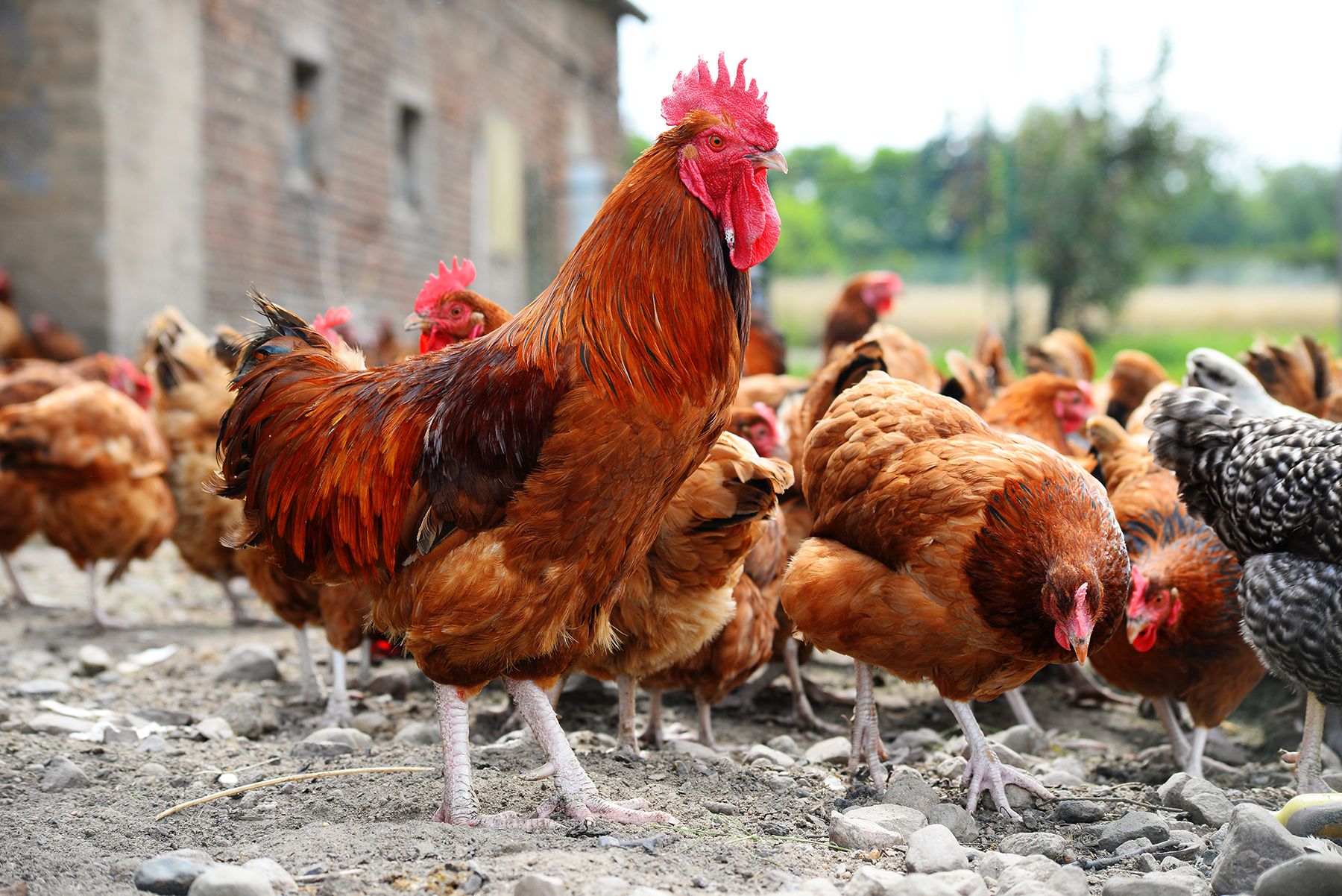
How to Condition Your Flock for Show Preparation and Presentation
Preparing poultry for exhibition involves much more than making feathers look clean. Judges assess breed type, body condition, leg quality, feather condition, temperament, and overall presentation. A successful show plan begins weeks or months before the event, with steady care that helps each bird look healthy and composed.
Conditioning your flock for show preparation and presentation also protects animal welfare. Birds should arrive at their best without being overfed, stressed, excessively handled, or exposed to unsuitable weather. Consistent routines make the final grooming process easier and help birds remain calm in the show hall.
Start With Careful Selection
Choose candidates that closely match their breed standard, including body shape, comb form, feather pattern, size, carriage, and color. Heritage chickens, bantams, ducks, turkeys, geese, quail, and ornamental poultry each have different judging priorities, so study the relevant standard before investing time in a bird.
Remove birds with obvious faults, poor posture, persistent aggression, weak legs, damaged plumage, or signs of illness. A well-conditioned bird cannot compensate for structural weaknesses. When selecting heritage turkeys or other exhibition stock, this breed selection guide can help connect breed choice with practical flock goals.
Build Health And Body Condition
Begin with a complete health check several weeks before the show. Examine eyes, nostrils, feet, legs, vents, beaks, and skin. Look for mites, lice, scaly leg mites, respiratory symptoms, diarrhea, weight loss, or unusual behavior. Any bird showing possible illness should be separated and evaluated before it enters a shared transport or exhibition environment.
Feed a balanced ration appropriate for the species, age, and production stage. Avoid sudden diet changes and excessive treats, since digestive upset or rapid weight gain can affect posture and movement. Fresh water, clean housing, suitable ventilation, and dry litter are as important as feed when developing a polished show bird.
| Conditioning Area | Practical Focus | Timing |
|---|---|---|
| Health screening | Check eyes, feet, feathers, skin, and behavior | Several weeks ahead |
| Nutrition | Maintain a balanced ration and steady weight | Throughout preparation |
| Handling | Practice calm examination and gentle restraint | Daily or every other day |
| Feather care | Protect plumage from mud, pecking, and breakage | Ongoing |
| Grooming | Wash, dry, trim, and inspect according to species | Before travel |
| Transport | Use clean, secure, well-ventilated carriers | Show day |
Practice Handling And Ring Behavior
Show birds need to tolerate examination without panic. Gently lift each bird, support the breast and feet, inspect the wings, and move the legs only as needed. Practice placing the bird on a table, setting it down smoothly, and allowing it to stand naturally. Short sessions are more effective than prolonged restraint.
Walk birds in a quiet area where they can become accustomed to movement, unfamiliar sounds, and people nearby. Chickens may need practice standing squarely, while waterfowl should move freely enough for judges to assess carriage and body shape. Reward calm behavior with a familiar treat, but never chase a bird around the pen as part of training.
Protect Feather And Skin Quality
Clean housing is the foundation of good plumage. Replace wet bedding, reduce overcrowding, and prevent rough surfaces that can break tail feathers or damage wing coverts. Separate birds that feather-peck, and keep exhibition candidates away from muddy runs during the final conditioning period.
Inspect feathers regularly for broken shafts, stains, parasites, and fading. A light dust bath can help birds maintain natural feather condition, while species-appropriate bathing may be useful before the event. Use lukewarm water and mild poultry-safe products only when needed, rinse thoroughly, and dry the bird completely in a warm, draft-free area.
Fine-Tune Grooming Before Travel
The final grooming routine should be calm and methodical. Clean the legs and feet, remove dirt from the beak, wipe the face carefully, and check the vent area. Depending on breed rules, minor trimming around the feet or vent may improve cleanliness, but avoid cutting feathers or altering features in a way that violates exhibition standards.
Do not apply oily products that mat feathers or attract dust. Avoid aggressive scrubbing, hot dryers, or last-minute procedures that could leave skin irritated. Schedule the main bath early enough for the bird to recover and preen naturally, then perform a final inspection for loose bedding, dampness, or damaged plumage.
Prepare A Safe Show-Day Routine
Transport carriers should be clean, secure, and large enough for the bird to sit and reposition comfortably. Use absorbent bedding, provide ventilation without creating drafts, and keep carriers shaded from direct sun. Label each carrier clearly, especially when transporting several breeds or color varieties.
Pack water from home if possible, along with familiar feed, paper towels, disinfectant wipes, leg bands, grooming supplies, and any required documentation. Arrive with enough time for check-in and settling rather than rushing from the vehicle to the show table. Calm handling at this stage can preserve the work invested during the entire conditioning period.
Maintain A Professional Presentation
A polished entry reflects daily management. Keep records of feeding, weight, health checks, grooming, and behavior so you can identify what works for each bird. After the event, examine the flock for stress, injuries, or signs of illness before returning birds to shared housing.
For healthy poultry, reliable handling, and carefully managed stock, explore the selection at Premium Poultry Breeds. Choose candidates early, establish a consistent care routine, and give every bird enough time to develop confidence before stepping into the show ring.
Prepare your flock with patience, protect its health at every stage, and make presentation day the natural result of excellent everyday care.