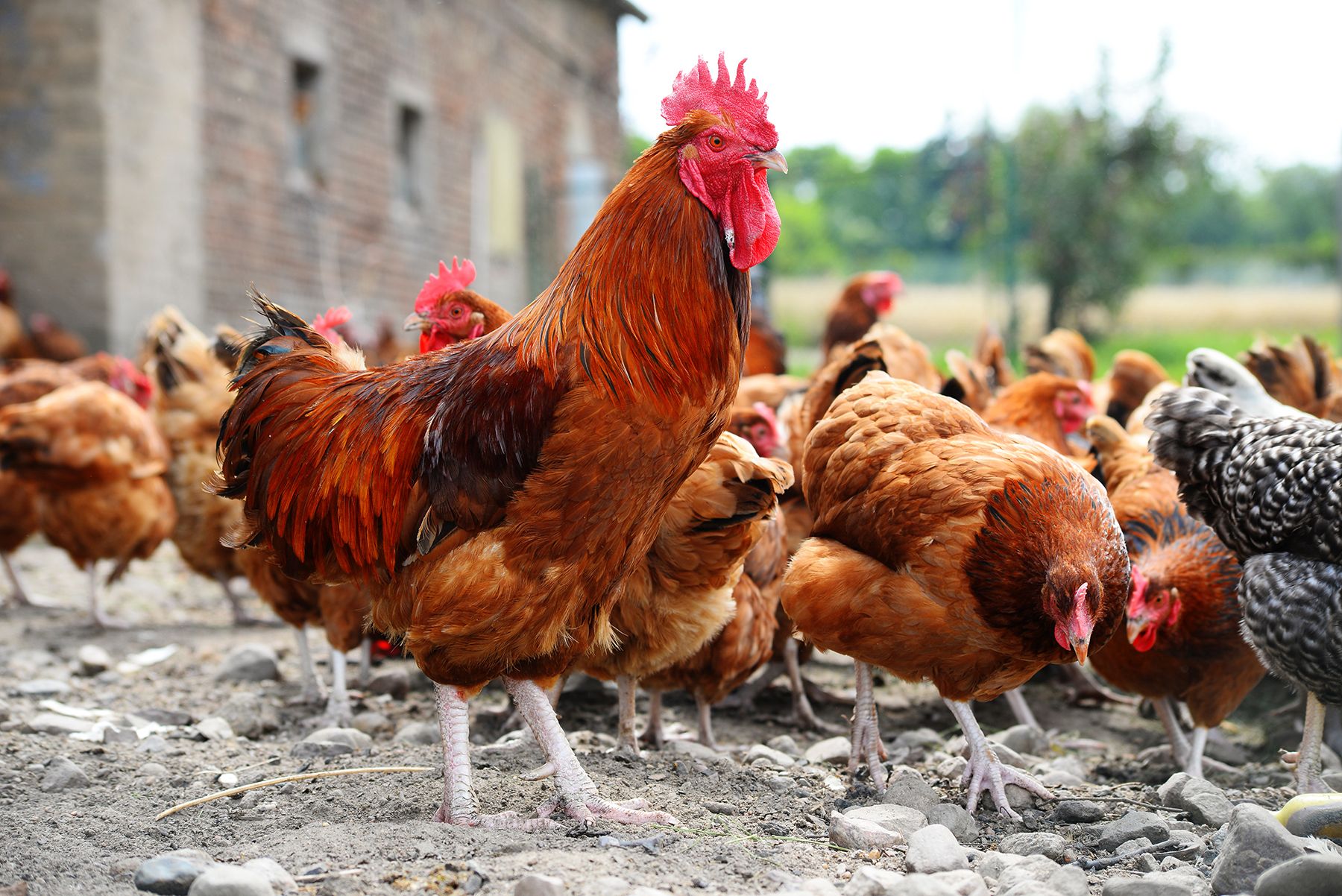
A Practical Dust Bath Area for a Healthy Poultry Yard
A dust bath gives poultry a simple way to clean their feathers, absorb excess oil and discourage external parasites. Chickens, bantams, quail, pheasants and other ground-dwelling birds instinctively scratch out a shallow hollow, settle into the loose material and wriggle until dust reaches beneath their feathers.
In Australia, a well-designed bathing spot is especially useful because yards may shift from hot, dry conditions in Adelaide or Perth to humid weather around Brisbane, Darwin and coastal New South Wales. A suitable area also helps birds stay comfortable when the ground is hard, muddy or covered with damp litter after rain.
The best dust bath does not need to be expensive. With a shaded container, a dry blend of safe materials and regular maintenance, homesteaders and backyard keepers can create a hygienic poultry enrichment area that suits anything from a small Sydney flock to a larger regional breeding yard.
Choose a Dry, Sheltered Location
Select a position with good drainage and protection from prevailing rain. Under a raised coop roof, beside a covered run or beneath a sturdy verandah can work well. Avoid low points where stormwater collects, particularly in areas that experience sudden summer downpours or cyclones.
Shade is equally important. Direct afternoon sun can turn a shallow tray into an oven during a Melbourne heatwave or a Perth summer. Natural shade from a tree is useful, provided falling leaves do not make the mixture damp, while a corrugated iron roof should be raised enough to allow airflow and prevent heat from building underneath.
Build the Bath With Safe Materials
A sturdy plastic tub, galvanised trough, timber frame or recycled sandpit can contain the mixture. Aim for a depth of roughly 15 to 25 centimetres, with enough floor space for several birds to bathe without crowding. For large breeds such as Orpingtons or turkeys, choose a wider container with low entry points.
Use dry, fine soil as the main ingredient, then add washed sand to improve texture and drainage. A small amount of clean wood ash from untreated firewood may be included, but avoid ash from painted timber, coal, briquettes or rubbish. Diatomaceous earth is sometimes used by keepers, although it should be handled carefully to avoid inhalation and should never replace good cleaning and veterinary advice.
Match the Setup to Your Flock
Different poultry breeds use a dust bath in slightly different ways. Bantams may manage well with a compact tray, while heavy heritage chickens need a broad area that will not tip or collapse. Quail prefer a lower-sided container, and peafowl or pheasants may use a sheltered ground patch if it is protected from wet weather and predators.
Climate should influence both the design and the breed you keep. Birds in tropical or subtropical regions need shade, ventilation and a mix that dries quickly; guidance on choosing heat-tolerant breeds can help when planning a flock for Queensland or the Northern Territory. In cooler areas, keep the bath under cover so it remains usable through winter rain.
Maintain Cleanliness and Bird Safety
Inspect the bath every few days for wet patches, droppings, mould and sharp debris. Remove contaminated material promptly and top up the dry blend as needed. If the entire mixture becomes damp or compacted, empty the container, scrub it with mild detergent, rinse it well and allow it to dry before refilling.
Watch the birds while they use the area. A bird that repeatedly avoids bathing, appears lethargic or has a dirty, fluffed-up appearance may need closer attention. Changes in posture, straining or reduced appetite should not be blamed on dust bathing; read about egg binding symptoms and seek veterinary help promptly when reproductive problems are possible.
Practical Features Worth Adding
A few small improvements can make the bathing station more durable and easier to manage. Place pavers around the entrance to reduce mud, add a simple mesh cover if wild birds visit, and keep the bath away from feed and drinkers. In a rural Australian yard, secure the structure against dogs, foxes and curious children.
Use these setup points when preparing the area:
- Choose a shaded, rain-protected position with reliable drainage.
- Fill the container with dry soil and washed sand, using only clean, chemical-free materials.
- Provide low access for quail and young birds, with extra width for large fowl.
- Check regularly for droppings, moisture, mould and sharp objects.
- Keep a spare container or dry replacement mix available during wet weather.
A covered dust bath can also reduce scratching in garden beds and help keep birds occupied. For breeders and sellers, observing which birds use the area confidently can provide useful clues about flock comfort, feather condition and general behaviour.
Give your poultry a dry, sheltered place to bathe, then maintain it as carefully as you maintain their coop, water and feed. When adding new chicks, mature birds, heritage breeds or ornamental poultry, choose healthy stock and provide a suitable environment from the first day through Premium Poultry Breeds’ carefully handled selection.