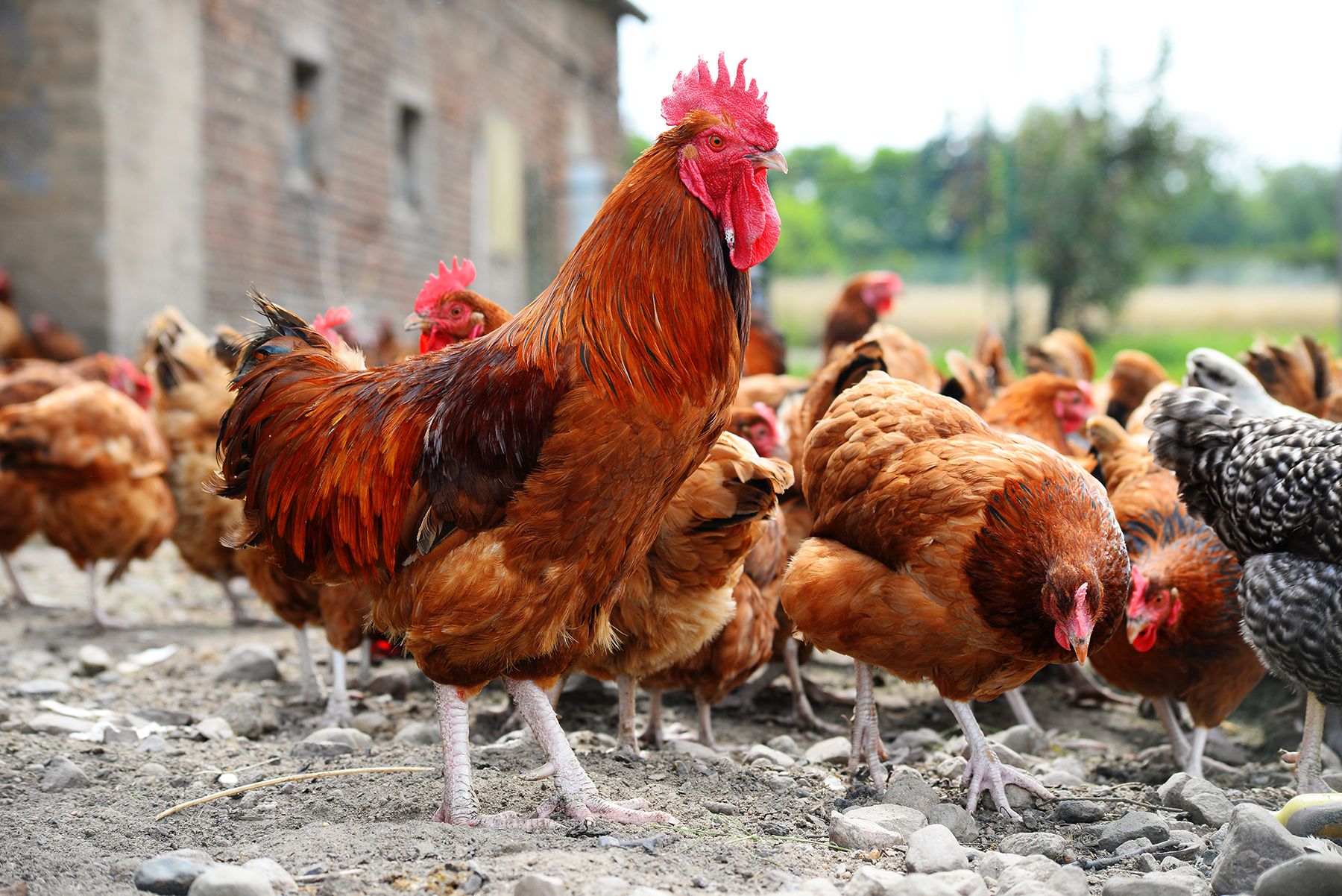
Selecting the right poultry breed for hot and humid climates
Heat, high moisture, and limited nighttime cooling can affect poultry health, fertility, egg production, and growth. A breed that performs well in a mild region may struggle when temperatures remain elevated and air movement is poor. Choosing birds suited to a warm environment is therefore one of the most important decisions for a backyard flock, homestead, or commercial breeding project.
Climate is only part of the decision. Housing design, shade, water access, flock density, parasite control, and the age of the birds all influence results. The best choice combines heat tolerance with the purpose of your flock, whether you want dependable layers, meat birds, ornamental poultry, or breeding stock.
Traits that support heat tolerance
Birds adapted to warm regions often have lighter body frames, large combs, and less feathering. A large comb and wattles provide more surface area for releasing body heat, while a slim build creates less internal heat during hot weather. Active, alert breeds also tend to cope well when they can forage in shaded areas.
Feather color may have a modest effect on solar heat absorption, but it should not outweigh temperament, production, or local availability. More important factors include strong general health, good leg structure, efficient feeding, and a history of thriving in warm conditions. Young birds and heavily feathered breeds require particular care during prolonged heat.
Chicken breeds for warm regions
Mediterranean chickens are often practical choices for hot climates. Leghorns, Anconas, Andalusians, Minorcas, and Hamburgs generally have relatively light bodies and active temperaments. They can provide strong egg production when supplied with shade, cool water, and adequate ventilation. Their energy and flightiness may be less suitable for small yards, so secure fencing is valuable.
For heritage flocks, Egyptian Fayoumis are known for their hardiness and active foraging behavior. Some local or regionally established chickens can also outperform imported breeds because they have already adapted to seasonal heat, humidity, and common parasites. Ask about the parent flock’s performance in comparable conditions when purchasing hatching eggs or live birds.
Matching ducks, geese, and game birds to heat
Ducks usually handle warm weather well when they have clean drinking water and a shaded place to rest. Muscovies are especially popular in warm regions because they are hardy, active foragers, and less dependent on deep swimming water than many other ducks. Indian Runners and other lighter-bodied ducks can also work well, provided their water does not become stagnant or contaminated.
Quail, pheasants, and peafowl need choices based on both climate and enclosure design. Coturnix quail mature quickly and can perform well in warmth, but overcrowding and poor airflow cause problems fast. For keepers establishing a flock, healthy juvenile quail can be a practical starting point when their brooder transition and outdoor housing are carefully managed.
Breeds that need extra protection
Large, heavily feathered chickens such as Brahmas, Cochins, and some Orpington lines can be vulnerable to heat stress. Their thick plumage and substantial bodies retain warmth, especially when humidity prevents normal evaporative cooling. They may still be suitable for a warm homestead, but they need generous shade, excellent airflow, and lower stocking density.
Bantams and ornamental birds vary widely. Small body size can help some individuals cope with heat, but elaborate crests, feathered legs, dense plumage, or reduced mobility can create additional risks. Turkeys also require careful planning because large-bodied birds can overheat quickly. Select hardy lines and provide broad shaded areas rather than relying on a small shelter.
Comparing useful breed characteristics
Breed selection should reflect the main purpose of the flock. A high-producing layer may be more active and less broody, while a heritage breed may offer stronger foraging ability, maternal behavior, or long-term adaptability. Meat breeds need special attention because rapid growth increases heat production and limits mobility.
| Poultry type | Warm-climate options | Useful strengths | Main precautions |
|---|---|---|---|
| Chicken | Leghorn, Ancona, Fayoumi | Lighter build, active foraging, egg production | Secure fencing and shade |
| Duck | Muscovy, Indian Runner | Good heat tolerance, foraging, steady production | Clean water and dry resting areas |
| Quail | Coturnix | Compact, productive, quick maturity | Prevent crowding and poor ventilation |
| Turkey | Heritage lines | Foraging ability and slower growth | Ample shade and careful handling |
| Peafowl | Hardy established lines | Ornamental value and warm-region suitability | Spacious, ventilated housing |
Housing and daily care in humid weather
Even heat-tolerant poultry need environmental support. Place coops where buildings, trees, or shade cloth block afternoon sun, and use wide openings covered with predator-resistant mesh to promote cross-ventilation. Avoid sealed sheds that trap hot, damp air. Roof insulation and light-colored roofing materials can reduce radiant heat.
Offer several water stations so dominant birds cannot control access. Refresh water frequently, elevate drinkers above bedding, and inspect them for algae or contamination. Wet litter encourages flies, ammonia, and disease, so remove soaked bedding promptly and maintain dry, absorbent flooring.
Heat stress signs include open-mouth breathing, wings held away from the body, weakness, reduced appetite, and unusual crowding near water. Move affected birds to a cool, shaded, well-ventilated area and seek veterinary guidance if symptoms are severe. Avoid sudden handling during the hottest part of the day.
Practical choices before ordering birds
Before selecting a breed, consider the hottest month, nighttime temperatures, rainfall pattern, predator pressure, and the space available for shade. A breed suited to a dry desert may not be the best fit for a tropical area where humidity remains high. Reliable access to replacement stock and compatible birds should also influence the decision.
- Prioritize light or moderate body types for consistently hot regions.
- Choose established, healthy stock from breeders familiar with warm-climate management.
- Plan shade, airflow, and multiple water points before birds arrive.
- Keep stocking density low enough for every bird to rest comfortably.
- Introduce young poultry gradually to outdoor heat and humidity.
A well-matched breed can make poultry keeping more productive and less stressful, but no genetic advantage replaces sound management. Review the needs of each species, compare mature body size and feathering, and select birds that fit both your climate and your goals. Browse Premium Poultry Breeds for healthy live poultry and hatching eggs suited to building a carefully planned flock.