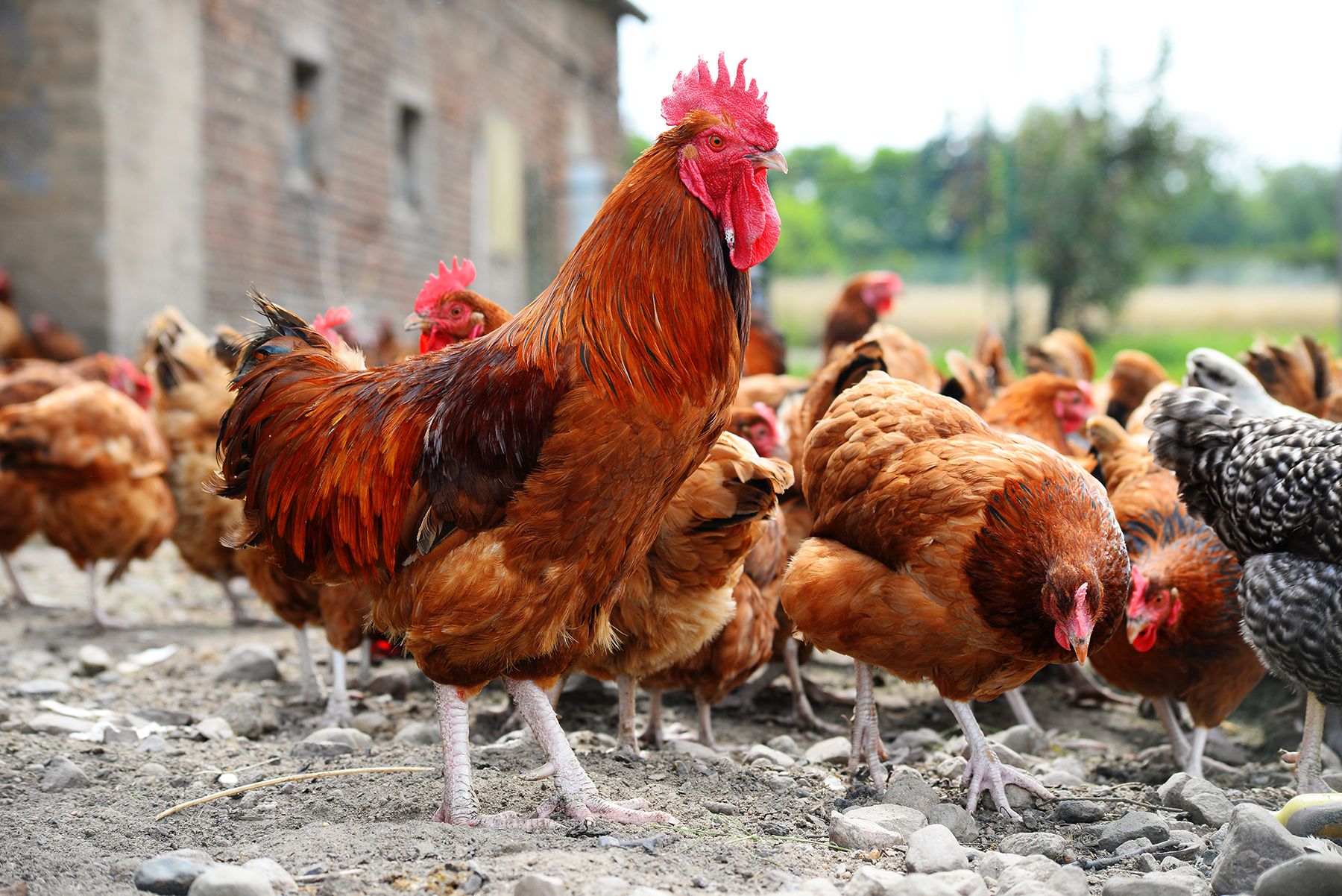
Breeding Show Chickens for Specific Feather Colors
Breeding chickens for a particular feather color requires more than pairing two attractive birds. Show plumage is shaped by several interacting genes, along with breed type, feather quality, age, nutrition, and environmental conditions. A promising pairing can produce unexpected shades, patterns, or markings in the first generation.
Successful color breeding begins with a precise goal. “Blue” may mean a blue-laced pattern, slate body color, or an even blue-gray surface, while “red” can range from deep mahogany to rich chestnut. The closer your definition matches the official breed standard, the more effectively you can select breeding stock.
Keep the welfare and structural quality of the flock central to every decision. A bird with excellent color but poor health, weak legs, incorrect body shape, or an unstable temperament should not become the foundation of a show line.
Start with a defined color goal
Study the standard for the breed before choosing birds. Note the accepted base color, lacing, barring, hackle shade, wing markings, tail color, and permissible variation between males and females. Photographs from reputable exhibitions can help, but written standards should guide final selection.
Color terms are often breed-specific. For example, “silver” may describe a lack of gold pigment rather than a metallic gray appearance. Likewise, “mottled,” “spangled,” “columbian,” and “penciled” refer to distinct pattern arrangements. Record the exact trait you want to improve instead of using a broad color label.
Understand the genetics behind plumage
Feather color is influenced by pigment production, pigment distribution, pattern genes, and modifiers. Some traits are relatively predictable, while others show variable expression. Blue plumage, for instance, commonly results from dilution of black and may produce black, blue, or splash offspring depending on the parents’ genetic makeup.
Sex-linked traits, recessive colors, and hidden genes can make results less obvious. A bird that appears visually correct may carry an unwanted allele and pass it to its chicks. The color breeding guide can help breeders review inheritance patterns before designing a pairing.
Avoid assuming that two birds with similar feathers have identical genetics. Parentage records, previous hatch results, and, where available, genetic testing provide a clearer picture. When a color is especially difficult to stabilize, maintain separate lines and compare their offspring over several generations.
Build pairings around quality and inheritance
Choose a male and female that complement one another in both color and conformation. If the hen has excellent lacing but weak tail carriage, select a rooster with strong tail structure without sacrificing the desired color genes. Breeding for appearance alone can quickly create a line that looks attractive but falls short in the show ring.
A small test mating can reveal what a bird carries. Hatch enough chicks to observe the range of outcomes, then evaluate them as juveniles and again after the adult molt. Some patterns sharpen with age, while temporary chick down or juvenile feathering can give a misleading impression.
| Breeding objective | Useful pairing approach | Common risk | Selection focus |
|---|---|---|---|
| Solid black | Black birds with dense, even pigment | Leakage of red or white | Uniform color and sheen |
| Blue | Blue with black, or carefully selected blue lines | Wide range from black to splash | Even shade and correct type |
| Barring | Birds with clear, regular barring | Faint or uneven bands | Contrast, spacing, and body shape |
| Lacing | Strongly marked birds from proven lines | Broken or blurred edges | Sharp, consistent feather borders |
| Mottling | Mottled parents with repeated hatch records | Irregular white spotting | Balanced spots and mature pattern |
Keep detailed breeding records
A breeding notebook should include leg band numbers, parentage, hatch dates, color descriptions, health notes, and show evaluations. Photograph chicks at several stages, since early impressions often change after the first molt. A simple family tree can expose which pairings consistently produce the target color.
Record the unsuccessful results as carefully as the successful ones. If a pairing repeatedly produces excessive leakage, pale edging, or uneven patterning, those outcomes provide valuable evidence. Over time, these records help distinguish a genuinely reliable breeder from a bird that happened to produce one exceptional chick.
Use separate breeding pens when possible, and allow enough time between changes to prevent uncertain parentage. Clean identification and controlled mating are especially important when working with recessive colors or multiple varieties in the same breed.
Select for color without losing vigor
A show-quality feather pattern has limited value if the bird grows slowly, struggles to reproduce, or shows signs of poor health. Select breeding stock with sound legs, a strong body, good feather condition, alert behavior, and dependable fertility. Healthy birds are also better able to withstand the stress of transport, exhibition, and seasonal changes.
Avoid excessive inbreeding when trying to fix a rare shade. Close breeding can concentrate desirable genes, but it may also expose weakness, reduced hatchability, deformities, or poor immune response. A planned outcross to a compatible, healthy line can restore vigor, followed by careful selection in later generations.
Nutrition supports the expression and maintenance of quality plumage. Provide a balanced ration, clean water, suitable space, and protection from parasites. Feather damage, sun bleaching, mud, and overcrowding can make genetically excellent birds appear inferior.
Evaluate chicks through every stage
Do not make final decisions from a single hatch. Compare siblings for color depth, pattern clarity, feather width, body conformation, and growth. Keep several promising birds until their adult plumage develops, then select the individuals that best combine the target color with the breed standard.
Show evaluation should be systematic rather than emotional. A dramatic chick may fade, molt unevenly, or develop incorrect markings. Conversely, a less striking juvenile may mature into a superior adult. Ask an experienced breeder or poultry judge to assess promising birds before committing them to a long-term breeding program.
Practical selection guidelines
Use the following habits to keep a color-focused program consistent:
- Define the approved shade and pattern before selecting breeders.
- Breed from healthy birds with correct structure and strong feather quality.
- Track parentage and hatch outcomes with leg bands and written records.
- Evaluate color after juvenile growth and the first adult molt.
- Retain multiple candidates until health, fertility, and mature plumage are clear.
Color breeding is a long-term project, often requiring several generations to improve consistency. Purchase stock from sources that prioritize healthy birds, careful handling, and accurate variety descriptions, especially when starting a new line or adding unrelated genetics.
Build each mating with patience and measurable criteria. With disciplined records, responsible selection, and high-quality breeding stock from Premium Poultry Breeds, you can develop show chickens whose feather color is distinctive, repeatable, and supported by the health and structure needed to thrive.