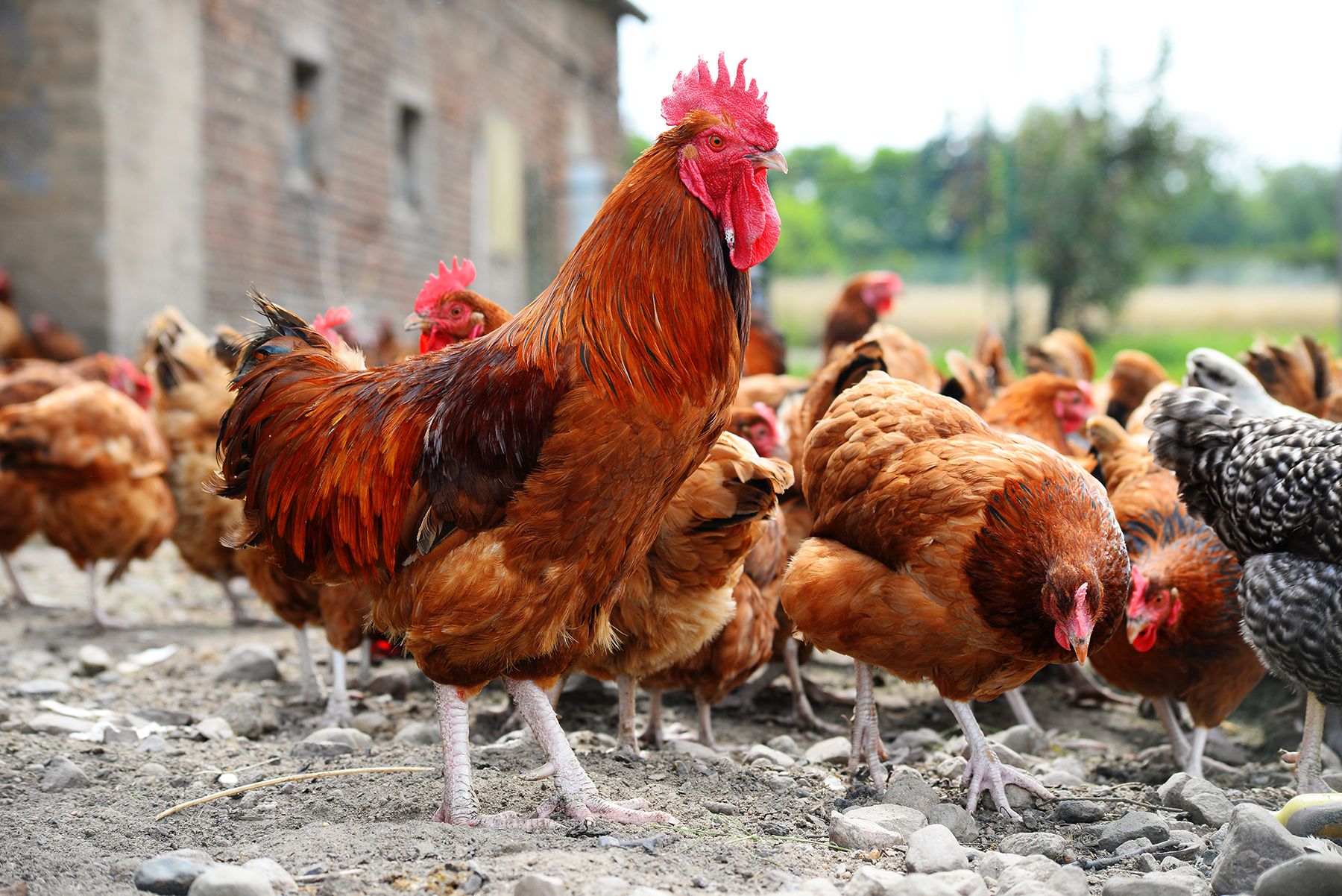
Feather Pecking and Cannibalism: Causes and Practical Solutions
Feather pecking can begin as a minor social behavior and quickly develop into a serious flock problem. Birds may pull feathers from the back, tail, wings, or vent area, leaving bald patches, skin injuries, and exposed tissue. Once blood appears, other flock members can be attracted to the wound, turning pecking into cannibalism.
The behavior is rarely caused by a single factor. Crowding, boredom, nutritional shortages, parasites, excessive light, heat, and unstable flock dynamics can all contribute. Effective control therefore depends on finding the trigger while protecting injured birds immediately.
Healthy poultry of every type, from heritage chickens and bantams to ducks, quail, and turkeys, benefit from careful observation. A calm routine, suitable housing, and reliable nutrition are the foundation for preventing aggressive feather picking.
How feather pecking begins
Gentle exploratory pecking is normal, especially among young birds establishing a social order. The problem starts when pecking becomes persistent, forceful, or focused on the same individual. Birds may target loose feathers, irritated skin, or areas that are already bare.
Flock hierarchy can intensify the issue after introducing new birds, separating a broody hen, or moving birds into a different enclosure. Weak, timid, small, or sick individuals are more likely to be targeted because they retreat rather than defend themselves. A single aggressive bird can also teach the habit to others.
Watch the flock during active periods rather than relying only on morning checks. Look for chasing, repeated pecks at one bird, feather fragments on the floor, bloody areas, and birds hiding from the group. Early intervention is much easier than stopping an established cycle.
Housing conditions that increase risk
Overcrowding is a frequent cause of aggressive behavior. When birds cannot move away from a persistent flock mate, competition rises around feeders, drinkers, roosts, and nesting spaces. Provide enough room for the breed and age of the birds, with multiple feeding and watering points so subordinate birds are not blocked.
Poor ventilation, damp litter, ammonia odors, and excessive heat can cause discomfort that makes pecking more likely. Keep bedding dry, remove heavily soiled areas, and provide shaded, well-ventilated spaces during warm weather. Bright lighting or long lighting hours can also increase activity and aggression, particularly in growing birds.
Boredom is another important trigger. Scatter safe forage through clean litter, offer leafy greens in moderation, hang pecking objects, and create visual barriers or low perches. Enrichment should encourage natural scratching and exploration without creating sharp edges or dangerous crowding points.
Nutrition, parasites, and hidden illness
A complete poultry ration should be the main source of nutrition. Inadequate protein, amino acids, minerals, or energy can interfere with feather development and encourage birds to seek nutrients from feathers or skin. Avoid relying heavily on scratch grains, table scraps, or treats that dilute a balanced feed.
During feather replacement, birds have increased nutritional demands. A flock undergoing molt may need especially careful support, and the molting cycle guide can help explain why feather growth and diet are closely connected. Always provide fresh water, since dehydration can worsen stress and competition.
Inspect birds for lice, mites, wounds, diarrhea, weight loss, or respiratory signs. External parasites can make skin intensely itchy, while illness may leave one bird vulnerable to attack. Treat confirmed problems according to veterinary guidance and follow product directions carefully, especially for laying birds.
Immediate response to an injured bird
Remove any bird with an open wound, active bleeding, exposed tissue, or severe feather loss. Place it in a clean, secure recovery area where it can eat and drink without competition. Gently clean the injury with an appropriate poultry-safe product, and seek veterinary care for deep wounds, weakness, infection, or damage near the vent or eye.
Do not return an injured bird while flock members are still attracted to the wound. Once the skin has healed and feathers or protective scabs have reduced the visual stimulus, reintroduce the bird gradually. A wire partition or adjacent pen allows the flock to see and hear the recovering bird without direct contact.
Identify the aggressor if possible. Separating the main instigator for several days may interrupt the pattern, although removing one bird will not solve overcrowding, poor diet, or environmental stress. If multiple birds are participating, correct the flock conditions before attempting reintegration.
Matching symptoms with corrective action
| Sign in the flock | Likely contributing factor | Useful first response |
|---|---|---|
| Bald backs or tail feathers | Persistent picking, mating damage, crowding | Separate the victim, assess space, and reduce competition |
| Pecking around the vent | Irritation, parasites, prolapse, loose droppings | Inspect closely and obtain veterinary help for swelling or tissue exposure |
| Several birds losing feathers during molt | Normal feather replacement with added nutritional demand | Feed a complete ration and monitor body condition |
| Chasing after a new bird arrives | Social stress and disrupted hierarchy | Use gradual introduction with extra feeders and hiding areas |
| Pecking that worsens in bright light | Excessive intensity or long day length | Reduce unnecessary lighting and provide shaded areas |
| Bloody wounds appearing quickly | Established cannibalistic behavior | Isolate injured birds immediately and remove access to the aggressor |
A practical prevention routine
Prevention works best when it becomes part of daily flock care. Check body condition, feather cover, skin, feet, and vent areas at least several times each week. Record unusual changes, especially after weather shifts, feed changes, transport, breeding activity, or the arrival of new poultry.
Use these habits to lower risk:
- Provide age-appropriate complete feed and constant access to clean water.
- Maintain dry litter, good airflow, and enough space for birds to retreat.
- Offer multiple feeders and drinkers to reduce guarding and competition.
- Inspect regularly for mites, lice, injuries, illness, and poor body condition.
- Introduce new birds gradually and quarantine them before direct contact.
Keep enrichment clean and rotate items when birds lose interest. Avoid treats that are moldy, salty, or nutritionally unbalanced, and never allow injured birds to remain in the main flock simply because the wound appears small.
Healthy stock and careful handling make flock management easier, but even well-kept birds can develop feather pecking after stress or environmental change. Act at the first signs of repeated targeting, then address the cause rather than treating the wound alone. Explore suitable poultry breeds and dependable hatching stock at Premium Poultry Breeds to build a healthy flock with strong care practices from the start.