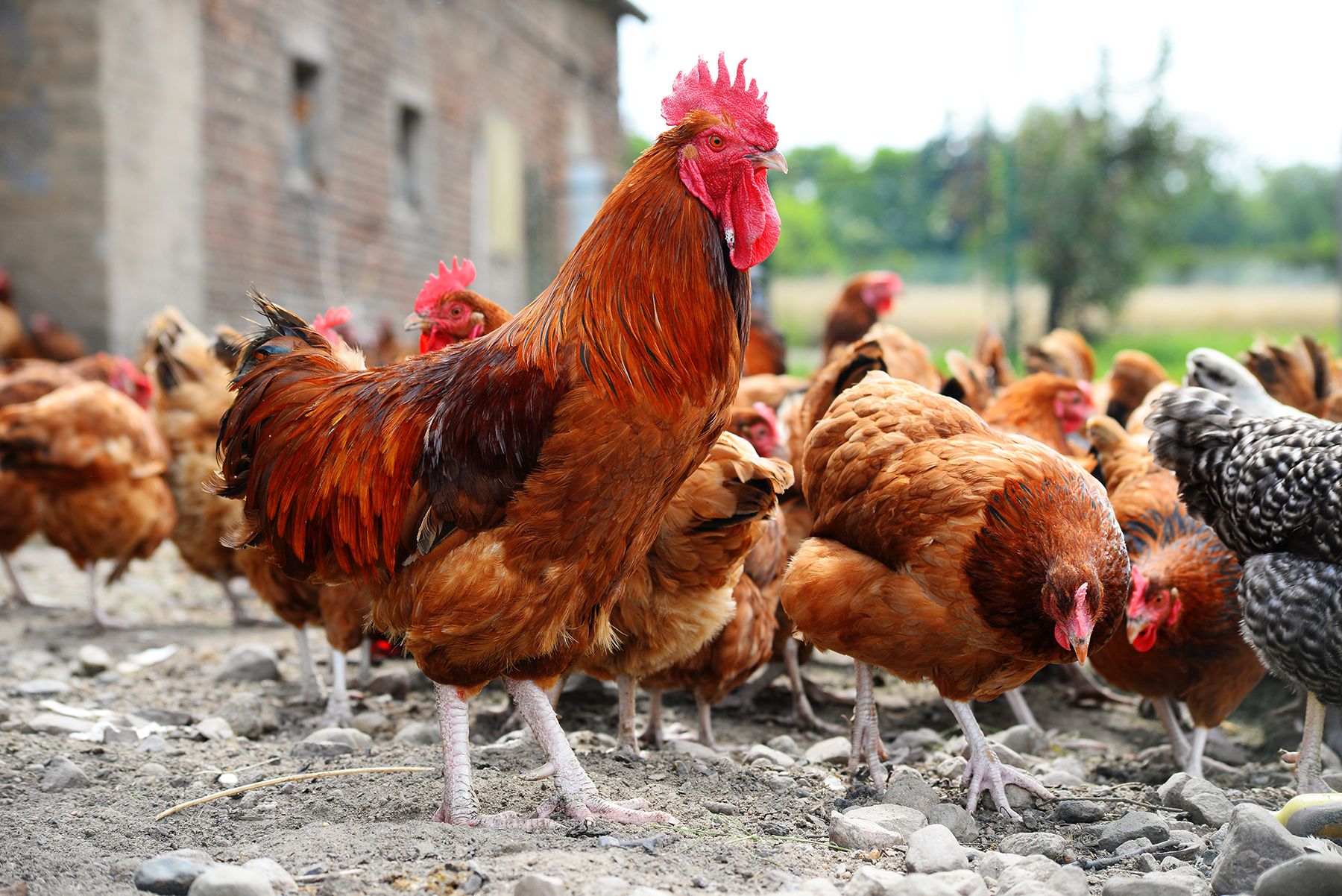
Understanding Chicken Molting And Nutritional Support
Molting is a normal renewal process in which chickens shed old feathers and grow a fresh plumage. It can make a healthy bird look surprisingly untidy, reduce egg production, and change flock behavior for several weeks. Understanding the cycle helps keepers distinguish seasonal feather loss from illness, parasites, or nutritional deficiency.
Most chickens experience their first significant molt at around 16–18 months, followed by additional molts as they age. Timing varies with breed, daylight exposure, climate, stress, and individual health. Heritage chickens, bantams, mature laying hens, and birds kept under artificial lighting may follow slightly different patterns.
The central priority during molt is support rather than forced intervention. A balanced ration, clean water, reduced stress, and protection from cold or wet weather give the bird the resources needed to replace feathers and return to normal laying.
What Happens During A Molt
Feathers are made largely of keratin, a tough protein also found in claws and beaks. When a feather reaches the end of its useful life, the follicle releases it and begins producing a replacement. New pin feathers emerge inside protective sheaths, then gradually unfurl as they mature.
Molting often starts around the head and neck before moving across the breast, back, wings, and tail. Some birds lose feathers gradually and remain fairly presentable, while others shed heavily over a short period. Tender pin feathers can make handling uncomfortable, so avoid unnecessary catching or close examination.
Egg production commonly slows or stops because the hen’s body redirects energy toward feather growth. A temporary decline is expected, especially during a hard molt. Birds may also appear quieter, spend more time resting, or show reduced interest in mating and flock activity.
Seasonal And Stress-Related Triggers
Shorter autumn days are a common natural trigger for molting. Changes in photoperiod influence reproductive hormones, allowing the bird to shift resources away from laying. Heat waves, relocation, predator scares, illness, broodiness, and abrupt changes in feed can also cause uneven feather loss.
A stress-related molt may occur at an unusual time or affect several birds after the same event. Check the flock environment for overcrowding, bullying, inadequate ventilation, damp bedding, and sudden temperature changes. Stable routines and access to sheltered roosting areas can reduce additional strain.
Young birds may also pass through partial molts as juvenile feathers are replaced with adult plumage. This is different from the heavier adult molt but still requires good nutrition and protection from pecking. If chicks or poults are being raised separately, a heated brooder guide can help maintain a stable early environment before later feather development begins.
Nutrients That Support Feather Growth
Protein is the most important dietary consideration during feather replacement. A complete poultry feed supplies essential amino acids such as methionine and cysteine, which are used to build keratin. Increasing protein with random scraps is less reliable than providing a formulated ration appropriate for the bird’s age and type.
Minerals and vitamins also support skin, follicles, immunity, and tissue repair. Zinc, calcium, phosphorus, selenium, and vitamins A, D, and E all have roles in normal feather development. Fresh water is equally important because dehydration can reduce feed intake and impair general recovery.
Treats should remain a small portion of the diet. Cooked egg, mealworms, or a modest amount of fish can provide extra protein, but excessive treats may dilute the balanced nutrients in the main ration. Never offer moldy feed, raw beans, heavily salted foods, avocado, or spoiled kitchen waste.
| Support area | Practical approach | What to watch for |
|---|---|---|
| Protein | Use a complete, age-appropriate poultry ration | Brittle feathers or poor regrowth |
| Water | Provide clean water every day | Reduced drinking or lethargy |
| Minerals | Rely on formulated feed and suitable layer supplements when needed | Weak shells or abnormal growth |
| Environment | Keep roosts dry, clean, and draft-free | Chilling, feather pecking, or crowding |
| Stress control | Maintain consistent feeding and flock routines | Sudden flock-wide feather loss |
Feeding The Flock Through Molting
A flock of laying hens may benefit from a quality all-flock or maintenance feed during molt, especially when roosters, young birds, ducks, or other species share the enclosure. Layer feed contains extra calcium for eggshell production, while birds that are not laying do not need the same calcium level.
Always follow the feed manufacturer’s guidance and make changes gradually over several days. Sudden feed changes can cause digestive upset and add stress during an already demanding period. Provide insoluble grit when birds consume whole grains, grass, or other fibrous material, and offer oyster shell separately when laying hens need additional calcium.
Avoid trying to accelerate feather replacement through severe feed restriction or concentrated supplements. Forced molting practices can compromise welfare and immunity. Natural recovery supported by steady nutrition is a safer approach for backyard flocks, breeding birds, and valuable heritage stock.
Housing And Health Checks
Bare skin is more vulnerable to cold, sunburn, and pecking. Inspect the flock regularly without overhandling, paying attention to wounds, scabs, swelling, discharge, or areas where other birds repeatedly pull pin feathers. Add extra space at feeders and drinkers if dominant birds are preventing molting hens from eating.
Keep bedding dry and ventilation adequate. Good airflow removes moisture and ammonia without creating direct drafts at roost level. In cold weather, prioritize dry shelter and wind protection rather than sealing the coop completely, since stale air can create respiratory problems.
Molting should not cause severe weight loss, persistent diarrhea, profound weakness, or widespread baldness with irritated skin. External parasites such as mites and lice can cause feather damage and anemia, while nutritional disease, infection, or reproductive disorders may resemble a difficult molt. Veterinary advice is appropriate when signs extend beyond ordinary feather replacement.
Supporting Other Poultry Species
Ducks, geese, turkeys, quail, pheasants, and peafowl also replace feathers, but their timing and dietary needs can differ from chickens. Mixed-species keepers should avoid assuming that one ration or housing setup suits every bird. Separate feeding areas may be necessary to ensure smaller or less assertive species receive their share.
Young peafowl require especially careful attention to warmth, cleanliness, feed, and housing before they develop mature feathers. For practical guidance on those early needs, review peafowl chick care when planning a brooder or nursery area.
Breeding birds also deserve closer observation during molt. A temporary break from laying is normal, but poor body condition can delay fertility and recovery. Select healthy stock, limit unnecessary handling, and record changes in weight, plumage, appetite, and egg production so unusual patterns are easier to identify.
A Practical Molt Care Routine
- Check body condition, skin, feathers, and droppings once or twice each week.
- Keep complete feed and fresh water available throughout the day.
- Reduce flock stress by maintaining stable routines and adequate space.
- Protect growing pin feathers from rough handling and aggressive flockmates.
- Contact a poultry veterinarian if weakness, parasites, wounds, or prolonged illness appear.
A well-managed molt is a temporary investment in the bird’s next cycle of health and productivity. With dependable feed, clean housing, and attentive observation, chickens can replace damaged plumage safely and return to normal activity when their bodies are ready. Premium Poultry Breeds supports responsible poultry keeping with healthy birds, carefully handled stock, and practical resources for breeders, homesteaders, and enthusiasts preparing their next flock.