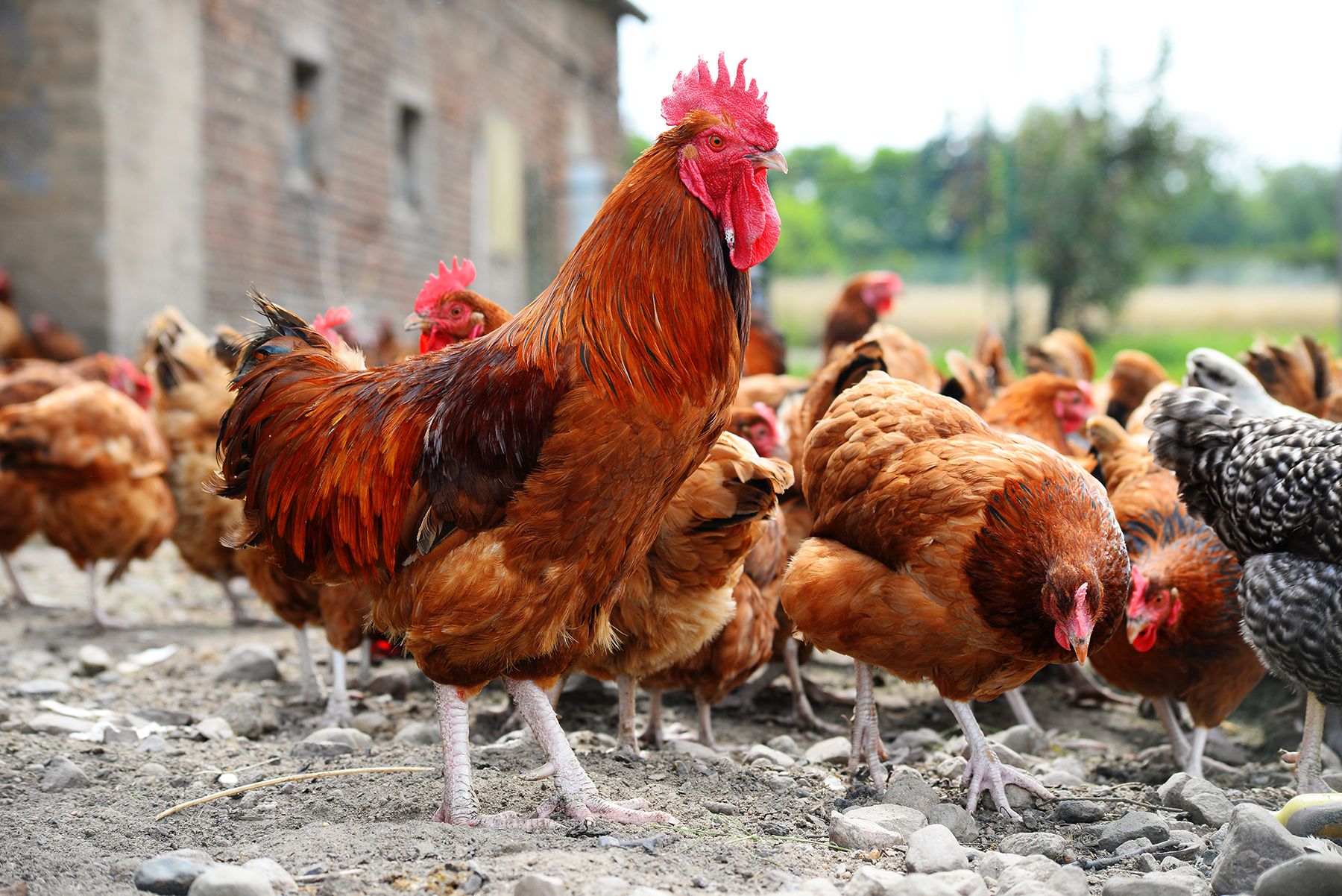
Daily Chores for a Small Poultry Operation
A small poultry operation runs best on consistent habits rather than complicated systems. Whether you keep heritage chickens, bantams, ducks, quail, turkeys, geese, pheasants, or peafowl, a dependable daily routine protects bird health and helps you spot problems before they become expensive.
Daily poultry care includes feeding, watering, observing behavior, checking housing, collecting eggs, and maintaining clean, secure enclosures. A written checklist makes these jobs easier to share, repeat, and adjust as your flock grows.
Start With a Morning Health Check
Begin the day by walking through every enclosure before opening gates or changing feed. Healthy birds should be alert, mobile, and interested in food. Look for limping, isolation, ruffled feathers, labored breathing, swollen eyes, unusual droppings, or birds sitting apart from the group.
Count birds whenever practical, especially after storms, predator activity, or recent arrivals. Check doors, latches, fencing, and netting for damage. A quick perimeter inspection can reveal digging, loose wire, broken boards, or other signs that foxes, raccoons, dogs, or aerial predators have tested the property.
Observe flock dynamics as well. A rooster that becomes excessively aggressive, or a hen being repeatedly bullied, may require a management change. Before adding a male to a breeding group, review this guide to selecting a rooster for temperament and fertility.
Refresh Feed And Water
Provide clean, fresh water every morning and check it again later in the day. Poultry drink more during hot weather, and ducks can quickly turn shallow drinkers into muddy containers. Scrub slimy surfaces, remove bedding from the water, and position drinkers where birds cannot easily tip or foul them.
Measure or estimate feed consistently so changes in appetite are noticeable. Offer age-appropriate rations for chicks, growers, layers, breeders, or meat birds, and keep feed dry in rodent-resistant storage. Treats, kitchen scraps, and forage should remain a small part of the diet unless a poultry nutrition professional has advised otherwise.
During freezing weather, inspect water several times and replace ice promptly. In warm conditions, place drinkers in shade and watch for panting, lethargy, or birds holding their wings away from their bodies. These observations should guide adjustments to ventilation, shade, and hydration.
Keep Housing Dry And Secure
Remove wet bedding, compacted manure, and soiled nesting material each day. You may not need a complete coop clean daily, but damp spots should never be allowed to persist. Dry litter reduces odor, limits bacterial growth, and helps protect feet and respiratory health.
Check roosts, nest boxes, brooder panels, and ventilation openings as part of the chore round. Good airflow removes moisture without creating a cold draft at bird level. Replace broken perches and keep sharp edges, exposed nails, and unstable fixtures out of reach.
For mixed-species properties, maintain separate spaces when practical. Ducks and geese create more moisture than chickens, while quail need secure, low-stress housing and careful protection from sudden drafts. Species-specific housing makes sanitation and observation much more manageable.
Use A Practical Daily Checklist
A checklist should be short enough to use every day but detailed enough to prevent skipped tasks. Keep a laminated copy near the feed room, or use a notebook to record egg numbers, unusual behavior, medication, hatch dates, and supply needs.
| Time | Essential task | What to check |
|---|---|---|
| Morning | Observe and count birds | Appetite, movement, breathing, injuries |
| Morning | Refill feed and water | Clean containers, correct ration, adequate supply |
| Morning | Inspect housing | Latches, fencing, bedding, ventilation |
| Midday | Recheck vulnerable groups | Chicks, broody hens, heat-stressed birds |
| Afternoon | Collect eggs | Clean nests, cracked eggs, production changes |
| Evening | Secure the flock | Birds accounted for, doors latched, predators excluded |
Egg collection may need to happen more than once daily in hot weather or when eggs are intended for hatching. Handle fertile eggs gently, keep them clean and properly stored, and separate cracked or heavily soiled eggs from those intended for incubation.
Make Seasonal Adjustments
A routine checklist should change with the calendar. In spring, monitor broody hens, newly hatched chicks, muddy runs, and parasite pressure. Summer requires extra attention to shade, airflow, water consumption, and signs of heat stress. Avoid crowding, and provide cool areas where birds can retreat.
Autumn is a useful time to repair shelters, reinforce fencing, clean storage areas, and prepare for shorter daylight. Winter care often includes wind protection, ice management, dry bedding, and checking that birds can reach feed and water without walking through deep mud or snow.
New birds should be quarantined rather than placed directly into the established flock. During quarantine, observe appetite, droppings, respiratory signs, external parasites, and general behavior. This pause protects resident birds and gives the newcomer time to adapt before integration.
Record Health And Production Changes
Simple records turn daily observations into useful flock management information. Note egg production, hatch rates, feed use, deaths, injuries, treatments, and the identity of breeding groups. For valuable heritage lines or rare poultry breeds, records also support responsible selection and preserve useful family history.
Inspect birds individually when something seems abnormal. Weighing a chick or small bird can reveal gradual decline that is difficult to see by eye, while checking the crop, feet, skin, and vent may help identify common concerns. Seek veterinary guidance for persistent illness, unexplained losses, severe injury, or suspected contagious disease.
Keep cleaning tools, disinfectants, gloves, and first-aid supplies in a dedicated location. Wash hands after handling birds, eggs, litter, or equipment, and use separate tools for quarantine areas whenever possible. Good biosecurity is a daily habit rather than an occasional deep-cleaning project.
Build Efficient Poultry Habits
The most reliable routine is one that fits your property, flock size, and available time. Group chores by location, store feed close to the relevant enclosures, and repair small problems before they become emergency jobs.
- Walk the same route each morning and evening.
- Keep spare drinkers, feeders, bedding, and hardware available.
- Separate sick, injured, or newly arrived birds promptly.
- Record unusual observations on the day they occur.
- Review the checklist monthly as flock numbers and seasons change.
A small poultry operation can remain orderly when every task has a place and every bird receives regular attention. From healthy chicks and hatching eggs to mature breeding stock, careful daily care supports stronger flocks and more dependable results. Explore the poultry available from Premium Poultry Breeds to find quality birds for your homestead, breeding program, or backyard flock.