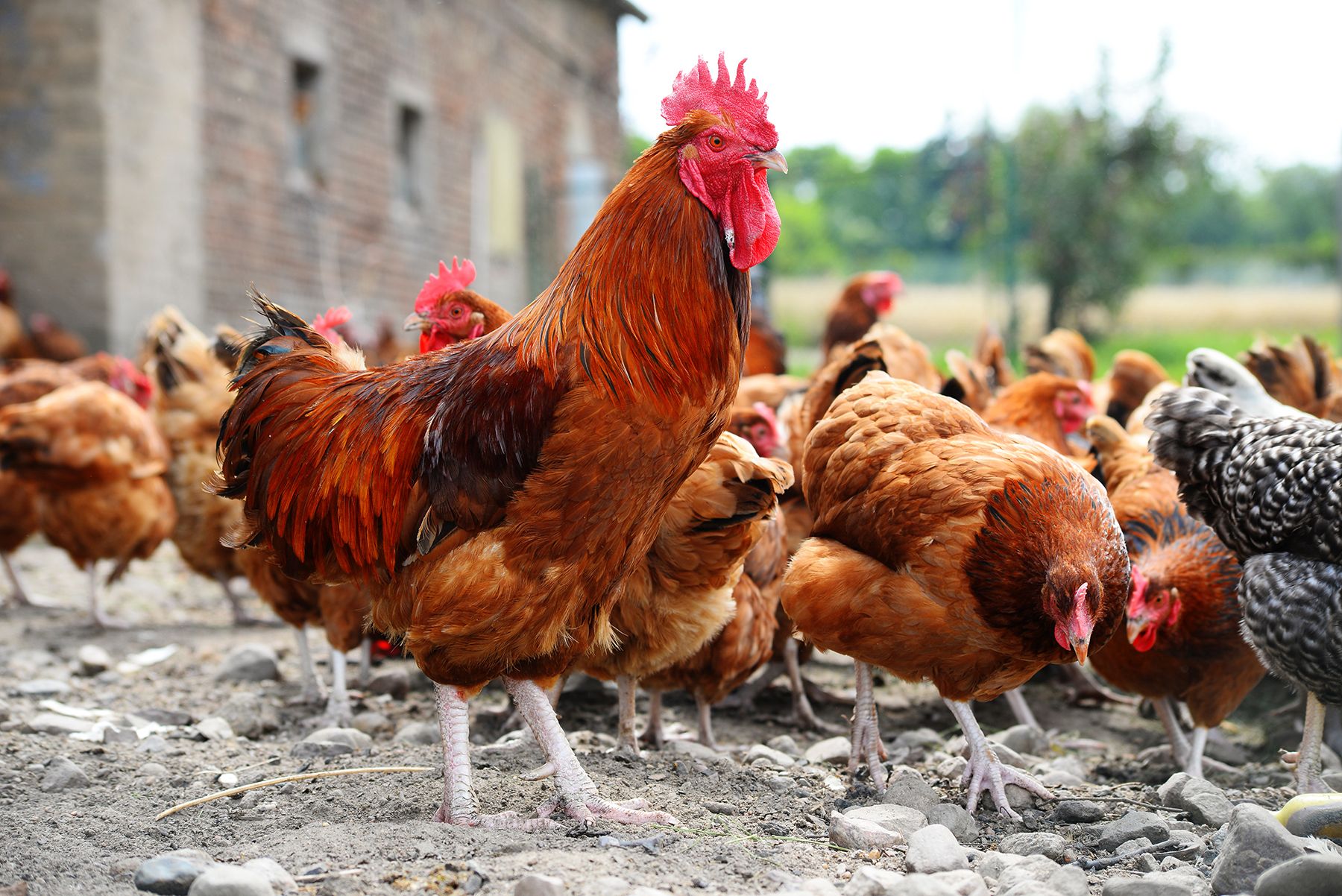
Build a mobile chicken tractor for rotational grazing
A mobile chicken tractor for rotational grazing moves a temporary shelter onto fresh pasture. Relocating the flock before grass is stripped bare limits mud, manure build-up and repeated exposure to contaminated ground while giving hens new insects and forage.
Australian backyards make design especially important. Compact units suit terraces in Melbourne and Sydney and suburban yards in Brisbane, but hot summers, intense sunlight and heavy rain call for shade, ventilation and dry footing. The goal is a sturdy shelter one person can move without twisting the frame or frightening the birds.
Plan around flock size, council rules and safe water access. Birds should come from a specialist breeder offering health checks, careful handling and suitable transport, because stressed arrivals quickly lose condition.
Plan the frame around the flock
For four to six standard hens, a frame around 2.4 metres long by 1.2 metres wide is a practical starting point. Allow more length and height for larger birds. Measure gates, sheds and paths first, and leave room for a removable litter tray and nest box.
Use treated timber or steel joined with screws, plus a rigid lower rail so mesh cannot bow outward. Wide rear wheels and a swivelling front caster ease travel over uneven yards; ensure the unit stays level and cannot tip when a hen jumps near one corner. Fit wheel brakes, balanced lifting handles and covers over exposed wire ends.
A painted fascia or shade-cover panel can become a feature in a suburban yard, while styling a graphic sweater illustrates how a bold graphic can sit neatly against a simple background. Keep decoration inaccessible to birds and use non-toxic finishes.
Create secure, comfortable living quarters
Galvanised chicken mesh or 25 mm welded mesh suits many Australian backyards, but sides alone are not predator proof. Cover the roof, fasten every seam, and extend the base or add an apron where foxes are active. Check latches daily for dogs, cats and birds of prey. Use shade cloth above a light-coloured roof to soften summer heat.
Choose the floor for the climate. Removable plywood panels with dry litter give stable footing and simplify manure collection; an open base offers more foraging but can expose feet to sharp debris and hot, cracked soil. Provide a smooth ramp, protected feeder, covered water container and shaded dry area. Kitchen scraps are a small treat, not a substitute for balanced layer feed.
Dust bathing helps hens maintain feathers and skin. For the dry soil and washed sand common in Australian gardens, the method in building a dust bath provides a sound basis for a loose mixture. Place it in a shallow portable tub under cover, and avoid clumping earth, excessive ash or damp material.
A solid roof with shade cloth above it should overlap the mesh without blocking ventilation. Position water away from the ramp, seal exposed screws and fit a securely closing door. Keep the tractor level with enough internal clearance for hens to move, forage and dust bathe.
Compare the main keeping systems
The practical differences are:
| Feature | Fixed run | Mobile tractor | Free-range flock |
|---|---|---|---|
| Setup cost | High | Medium | Low, plus fencing |
| Forage | Limited | Rotates through fresh patches | Broad but variable |
| Predator control | Strong if roofed | Strong if checked | Variable |
| Flexibility | Low | High | High |
| Daily work | Feeding and cleaning | Feeding, moving and cleaning | Feeding and supervision |
A fixed run is easy to inspect but difficult to rotate. Free-ranging birds exploit more ground, yet dogs, roaming poultry and lost birds complicate management. The tractor offers contained birds, changing forage and a controlled cleaning routine.
Check local conditions before building. Australian councils may cap poultry numbers, impose setbacks or restrict roosters, while state and territory biosecurity and animal-welfare rules can control the transport of birds, eggs and equipment. Online ordering does not override those conditions. Confirm delivery arrangements with the breeder, especially for stock from another region or overseas.
Move the flock without causing stress
Move before the birds strip a patch to bare soil. Depending on grass growth, this may mean every one to three days, followed by roughly three to four weeks of rest. In wet weather, use firm, sheltered ground rather than churned pasture. Southern Australia may need longer recovery in winter, while northern areas need extra shade and water as soil dries.
Do not drag the enclosure with hens inside. Roll it slowly, use a low tow bar, or carry it only when the weight is manageable. Close the door before shifting the frame, keep movements direct and allow time to settle. Two access points simplify cleaning without leaving a flap loose.
Clean droppings and wet bedding before rotating, and keep a movement record. Note which side stays damp, where birds forage and whether pasture recovers. In dense suburbs, account for neighbours and escape routes; a solid roof and secure latch help prevent wandering.
Start safely and put the plan into action
Test the tractor empty before adding birds. Place it beside the main run, let hens inspect it, and keep familiar feeders and water nearby for the first few days. Move only short distances initially, using the same time of day until the flock settles.
New arrivals need time to recover from transport before regular movement. Follow the breeder’s settling and quarantine guidance, provide clean water and feed, and observe for drooping posture, laboured breathing or isolation. Contact an experienced poultry keeper or veterinarian when signs do not resolve.
Premium Poultry Breeds offers heritage breeds, chicks, mature birds and hatching eggs, with an emphasis on healthy stock, careful handling, quality control and reliable shipping. Match birds to the available floor area and confirm lawful delivery and biosecurity conditions before ordering.
Build the frame this weekend, test it empty, fit secure mesh and shade, then introduce a small flock and begin the first measured rotation. Order suitable birds from Premium Poultry Breeds and build a safe, mobile pasture system for your Australian backyard.