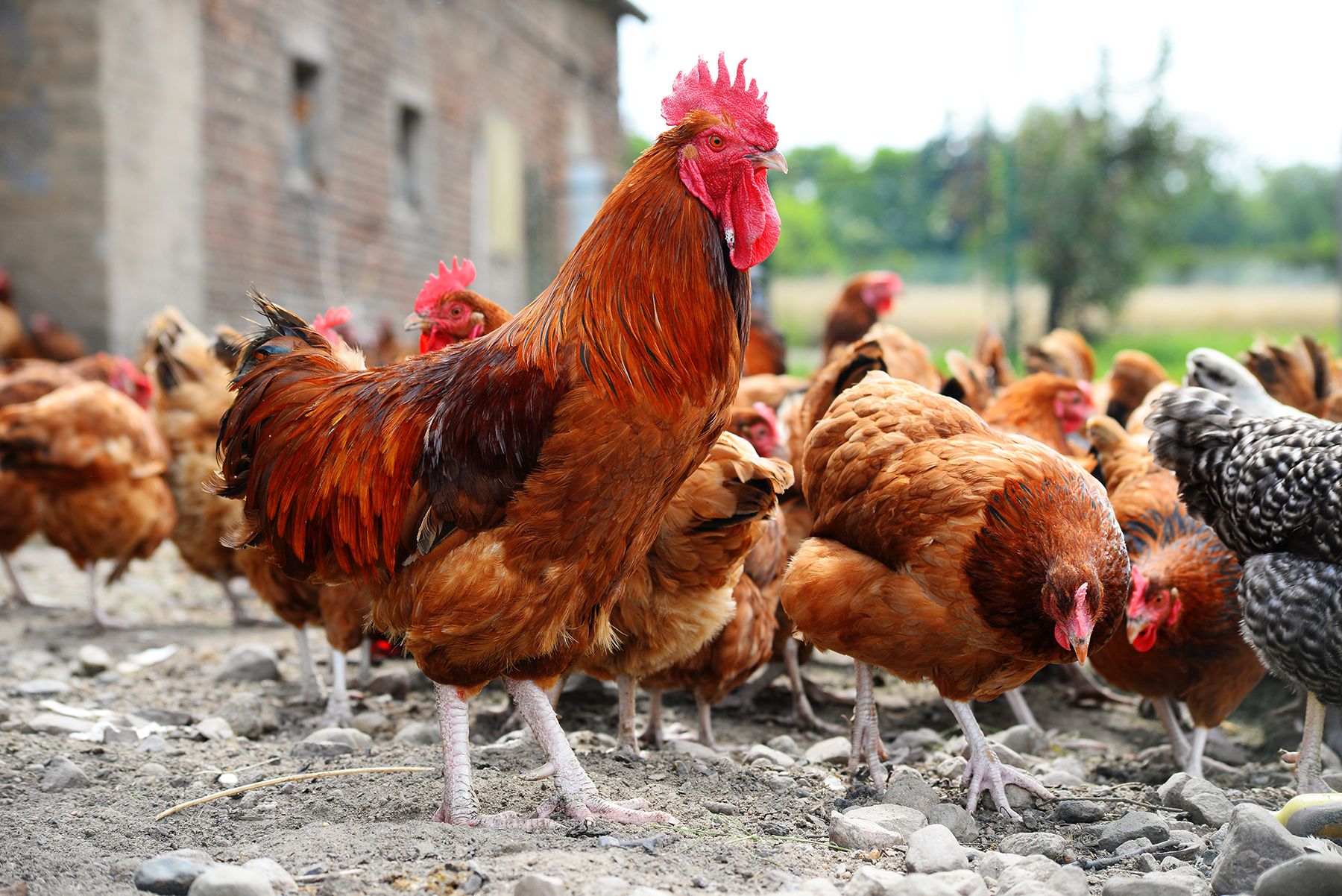
A Practical Dust Bath for a Healthy Chicken Run
A dust bath gives chickens a place to clean their feathers, loosen dry skin and manage external parasites through natural behaviour. It also adds useful enrichment to the run, especially when free-ranging is limited by foxes, traffic, gardens or local council requirements.
Building one does not require specialist equipment. A shallow, sturdy container, a dry location and a suitable mix of loose materials are enough to create a comfortable bathing area for a small flock. The key is keeping the contents dry and free from sharp or contaminated waste.
For Australian keepers, local weather should shape the design. A run in Perth may need protection from hot, blowing sand, while a flock near Brisbane may need a covered bath during humid, wet periods. In Melbourne or Sydney, a shaded position helps the mixture remain usable through summer heat and sudden rain.
| Material or design | Main benefit | Points to consider |
|---|---|---|
| Washed play sand | Drains well and feels comfortable | Can become hot in direct sun |
| Fine garden soil | Natural and inexpensive | May compact or turn muddy |
| Dry wood ash | Helps keep the mix light and absorbent | Use only clean, untreated timber ash |
| Shallow plastic tub | Easy to clean and move | Can crack in strong sunlight |
| Timber-framed bay | Stable and attractive | Needs a roof and rot-resistant timber |
| Covered corner of the run | Protects the bath from rain | Must still allow good airflow |
Choose A Suitable Location
Place the bath in a dry, shaded section of the chicken run where several birds can use it without blocking feeders or drinkers. A position beneath a roof overhang is useful, but leave enough space around it for hens to enter, turn and shake their feathers without crowding one another.
Avoid low areas where water collects after storms. This matters particularly in tropical and coastal parts of Australia, where intense rain can quickly turn a dust bath into a muddy pit. In very hot regions, shade cloth or a solid roof can prevent the sand from becoming uncomfortably hot during the middle of the day.
Good airflow is also important because damp bedding and stale air encourage odour and respiratory irritation. Advice on poultry housing ventilation can help you position the bath without reducing fresh air movement through the coop and run.
Select Safe Bathing Materials
A simple mixture can contain washed play sand, dry soil and a small amount of clean wood ash. Sand provides texture and drainage, while soil gives the bath a more natural feel. Use ash from untreated hardwood only; never add ash from painted, varnished or chemically treated timber, barbecue briquettes or household rubbish.
Do not use damp compost, manure, silica-based building sand or material gathered beside roads and sprayed areas. These may contain pathogens, sharp particles, chemicals or excessive dust. Diatomaceous earth is also best treated cautiously: airborne particles can irritate the respiratory system, and it is not a substitute for sound flock hygiene or veterinary advice.
Aim for a loose, crumbly consistency that hens can dig into easily. If the mixture forms a ball when squeezed, it is probably holding too much moisture. Add more dry sand and check whether the container has enough protection from rain and ground splash.
Build The Bath Container
For a small backyard flock, a plastic storage tub, old children’s wading pool or galvanised trough can work well. Choose a container with low sides so bantams, young birds and heavier heritage chickens can step in safely. Remove sharp edges and avoid containers that have held chemicals.
Fill the bath to a depth of roughly 10 to 15 centimetres. This gives birds enough material to roll and flick without making the container unnecessarily heavy. If using a wooden frame, line it with a durable base or place it on compacted ground so moisture cannot rise from below.
In a busy run, two smaller baths may work better than one large bath. This reduces competition and keeps the area usable when several hens decide to bathe together. It also gives you a spare location while one container is being cleaned or refilled.
Maintain A Clean Dry Area
Chickens will scatter some material each time they bathe, so inspect the area every few days. Remove wet clumps, droppings, feathers and leaves, then top up the mixture as necessary. A lightweight cover can protect the bath from rain while still allowing the run to remain open and well ventilated.
Watch the birds’ behaviour as well as the bath itself. Frequent bathing is normal, but excessive scratching, bald patches, scabs or persistent irritation can indicate mites, lice or another health issue. Quarantine and professional veterinary advice may be needed rather than simply adding more dusting material.
Keep feed and water away from the bath because loose dust can settle in drinkers and contaminate feed. A well-planned run offers several forms of enrichment—scratching, perching, exploring and bathing—much like browsing different casino game options provides variety during leisure time, although the flock’s priorities are considerably more practical.
Adjust The Setup For Your Flock
Observe which birds use the bath and whether the container suits their size. Large breeds need enough room to turn comfortably, while quail and bantams benefit from lower sides and a shallower layer. If hens queue for one bath, increase the number of stations rather than forcing dominant birds and timid birds to share.
Seasonal adjustments make a noticeable difference in Australia. Add extra shade before a heatwave, raise the container slightly during the wet season and check for ants or other insects in warm weather. In dry inland areas, a roof also limits windblown dust entering the rest of the run.
Healthy birds from a reputable source will still benefit from a clean, thoughtfully designed environment. Premium Poultry Breeds supplies poultry and hatching eggs for Australian enthusiasts and international keepers, with careful handling and attention to stock quality. Prepare the bath before new chicks or mature birds arrive, then keep it dry, spacious and easy to maintain as the flock grows.
Build the container with safe materials, place it under cover and refresh the mix regularly. A modest dusting station can become one of the most valuable low-cost features in a chicken run, supporting natural behaviour while making daily flock care simpler.