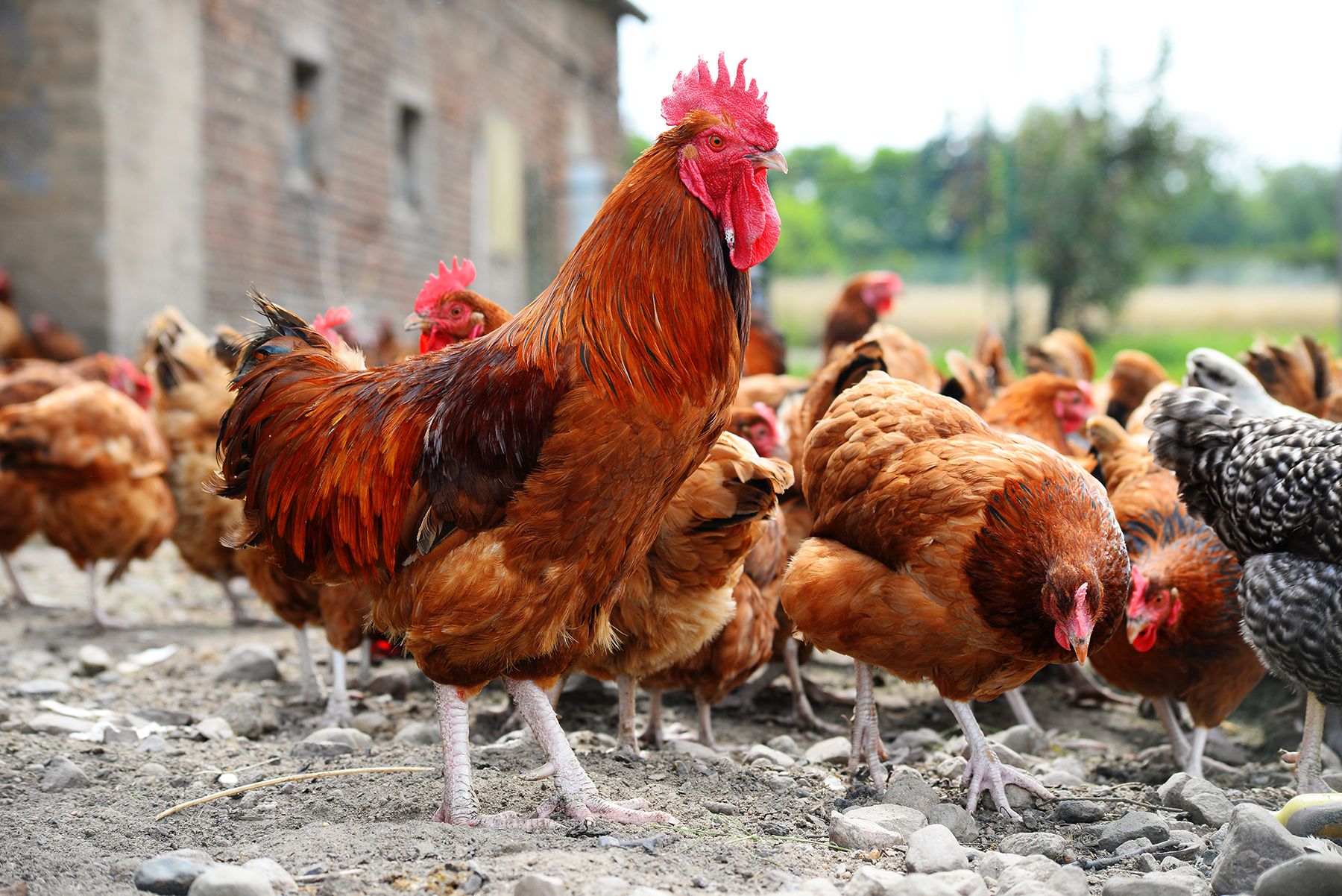
An Overview Of Laying Breeds For High-Egg Yields
Choosing a productive hen begins with understanding how breed genetics, management, climate, and flock goals affect egg output. Some chickens are bred to deliver an egg almost every day, while others offer a balance of dependable laying, attractive appearance, broodiness, and excellent table qualities.
The highest-producing hens are often commercial hybrids or specialized layer strains. Heritage breeds may lay fewer eggs each year, but they can bring valuable traits such as hardiness, longevity, foraging ability, and a calm temperament. The best choice depends on whether your priority is maximum production, self-sufficiency, colored eggs, or a versatile backyard flock.
A well-managed hen still needs balanced feed, clean water, suitable housing, adequate daylight, parasite control, and protection from heat and predators. With those fundamentals in place, the right laying breed can provide a steady supply of fresh eggs for a homestead, small farm, or breeding program.
What Makes A Hen A Strong Layer
Annual egg production is shaped by genetics, but age has a major influence. Pullets usually begin laying between 18 and 24 weeks, depending on breed and daylight. Production commonly peaks during the first laying year, then gradually declines as the hen matures.
Body size and temperament also matter. Lightweight breeds often convert feed into eggs efficiently, while heavier breeds may lay at a slower pace. Active, alert hens can be excellent foragers, although free-ranging birds may require additional nutrition during periods of poor pasture or cold weather.
Shell color does not indicate nutritional value or flavor. White, brown, blue, green, and tinted eggs can all be excellent. If colorful baskets are important to you, select breeds for their shell color while checking that their expected production suits your household.
Breeds Known For Heavy Production
White Leghorns are among the most efficient traditional egg layers. They are active, relatively light-bodied birds that commonly produce large quantities of white eggs. Their energetic temperament makes them well suited to productive systems, though they may be less cuddly than calmer dual-purpose breeds.
Brown-egg hybrids, including commercial strains developed from lines such as Rhode Island Red and related breeds, are widely valued for exceptional consistency. They often mature early and can exceed 300 eggs per year under excellent conditions. Hybrid performance can vary, so the breeder, strain, and rearing program matter.
Australorps, Rhode Island Reds, Sussex, and Plymouth Rocks are popular choices for keepers who want reliable laying with greater versatility. These breeds generally produce brown or tinted eggs and tend to offer better foraging ability and hardiness than highly specialized production birds.
Heritage Options For Productive Homesteads
Heritage hens can be a practical choice when flock owners want to hatch replacement chicks, preserve breed characteristics, or maintain a more traditional homestead flock. Australorps, Rhode Island Reds, Barred Plymouth Rocks, and Sussex often provide a useful blend of egg production, body size, and adaptability.
Orpingtons and Wyandottes usually lay fewer eggs than specialized hybrids, but their calm nature and attractive plumage make them appealing for family flocks. Some individuals become broody, which can be useful for natural incubation but may temporarily reduce egg numbers.
For a smaller property, breed selection should account for space, noise, weather, and feed costs as well as production. This guide to poultry breeds for small homesteads can help match flock traits with the practical limits of a compact holding.
| Breed or Type | Typical Annual Output | Egg Color | Notable Strength |
|---|---|---|---|
| White Leghorn | 280–320 eggs | White | Efficient, active layer |
| Brown-egg hybrid | 280–330 eggs | Brown | Early maturity and consistency |
| Australorp | 250–300 eggs | Brown | Calm, hardy, versatile |
| Rhode Island Red | 220–280 eggs | Brown | Productive dual-purpose heritage breed |
| Sussex | 220–280 eggs | Tinted to brown | Good foraging and temperament |
| Plymouth Rock | 200–280 eggs | Brown | Dependable family-flock breed |
| Orpington | 180–230 eggs | Light brown | Gentle disposition and attractive appearance |
Colored Eggs And Specialty Breeds
Easter Eggers and Ameraucanas are popular for blue, green, or olive-toned eggs. Their production is often moderate to good, but individual results vary because “Easter Egger” describes a type rather than a single standardized breed. These hens are especially attractive to keepers who want visual variety in the egg basket.
Marans are known for rich, dark brown eggs, while Cream Legbars can produce blue eggs and often have distinctive coloring. Specialty layers may not match a commercial hybrid’s annual output, yet their unusual eggs can add value to a breeding project or direct-to-consumer farm stand.
Bantams generally lay smaller eggs and fewer of them than standard-sized hens. They can be excellent ornamental birds and are useful where space is limited, but they should be chosen for personality and appearance rather than maximum food production.
Management That Protects Egg Production
Even an excellent laying strain cannot perform well without consistent care. A complete layer ration should supply appropriate protein, calcium, vitamins, and minerals. Oyster shell offered separately can help laying hens meet calcium needs, while clean water should be available at all times.
Light strongly influences the reproductive cycle. Hens naturally reduce production as daylight shortens, especially in autumn and winter. Some keepers use supplemental lighting, but gradual schedules and adequate rest are important; pushing birds too hard can affect health and longevity.
Ventilation, dry bedding, nest-box cleanliness, and regular health checks also protect output. Stress from overcrowding, predators, parasites, sudden feed changes, or extreme temperatures can cause a temporary drop in laying or thin-shelled eggs.
Practical Ways To Choose Your Flock
Before ordering birds or hatching eggs, compare expected output with your household needs and the resources available on your property. A mixed flock can provide both dependable volume and distinctive egg colors, while a single breed makes reproduction and management more predictable.
Useful selection priorities include:
- Choose specialized hybrids when maximum annual production is the main goal.
- Select heritage dual-purpose breeds when hardiness, temperament, and breeding value matter.
- Add blue- or dark-egg layers for variety without relying on them for your entire supply.
- Consider climate, ranging space, predator pressure, and winter management before choosing.
- Buy from a responsible source that emphasizes healthy stock, careful handling, and reliable shipping.
A flock of six high-producing hens may supply more eggs than a larger group of lower-output birds, particularly during the peak laying years. However, production naturally changes with age, molt, season, and health, so planning for occasional slow periods is wise.
Build A Reliable Egg-Producing Flock
The most productive laying breed is the one that fits your management style and environment. Commercial brown-egg hybrids and White Leghorns lead in volume, while Australorps, Rhode Island Reds, Sussex, and Plymouth Rocks offer a valuable balance of production and homestead qualities. Specialty breeds add color, character, and breeding interest.
For carefully selected live poultry and hatching eggs, explore the healthy, quality-focused range available from Premium Poultry Breeds, then choose hens that can thrive in your flock and keep your egg basket consistently full.