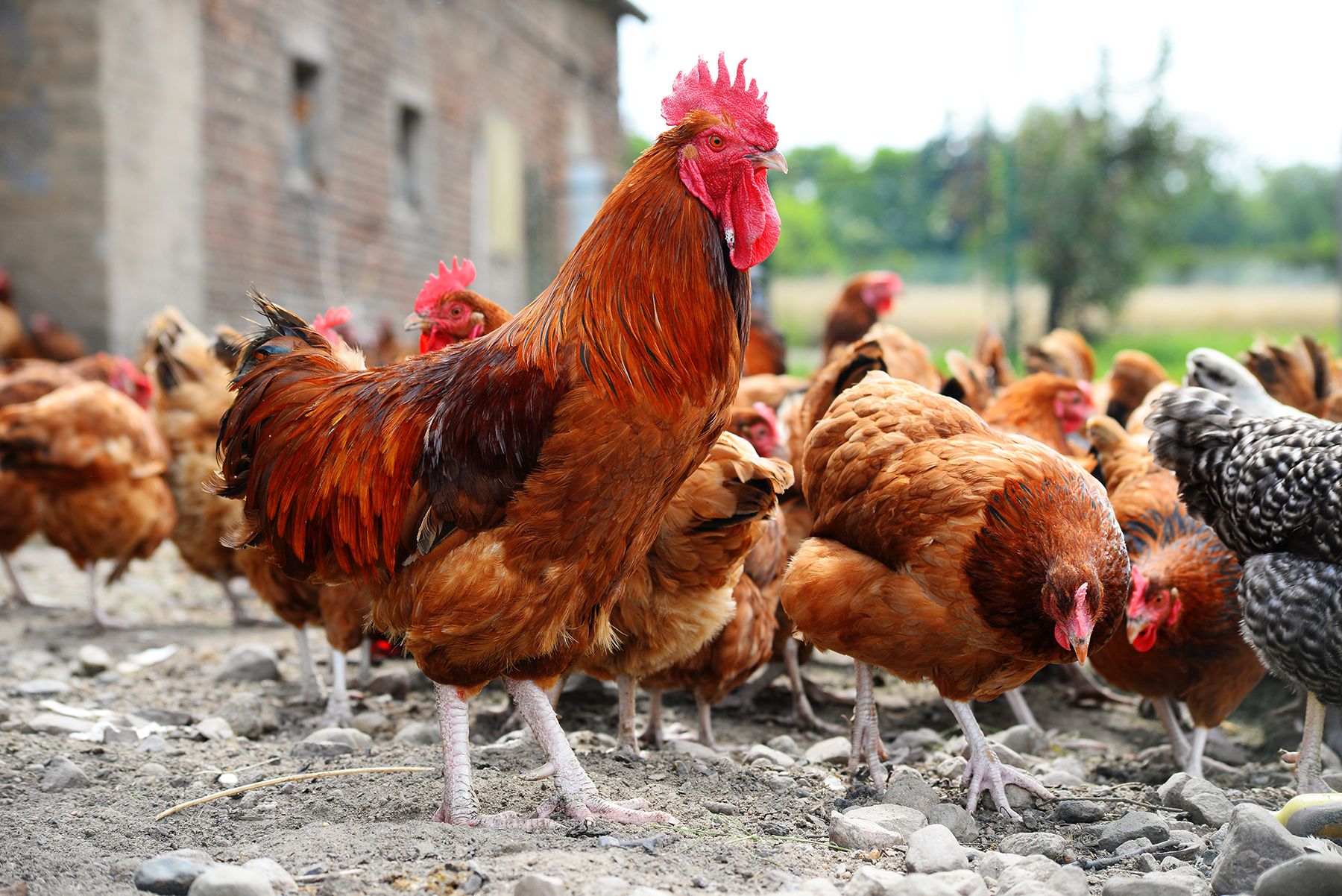
Wyandotte Chickens For Productive Australian Homesteads
A profile of the Wyandotte breed is useful for Australian homesteaders seeking one flock to supply both table birds and dependable eggs. These handsome chickens combine a calm temperament with a substantial frame, attractive feathering and useful production, making them a practical choice for backyard keepers, smallholders and breeders.
Wyandottes originated in North America and are recognised by their broad, rounded bodies and distinctive rose combs. They are available in several colour varieties, including Silver Laced, Gold Laced, Blue, Black and White. Their balance of meat, eggs and ornamental appeal gives them lasting value in a mixed poultry yard.
Breed Identity And Appearance
The Wyandotte is a medium-to-large dual-purpose chicken. Mature hens commonly weigh around 2.5–3 kilograms, while roosters may reach approximately 3.5–4 kilograms, depending on the line. The deep body carries a reasonably full breast and broad back, giving the bird a useful carcass without making it excessively difficult to manage.
The rose comb sits close to the head, which offers better protection from frostbite than a large single comb. Clean, yellow legs, a full tail and close-fitting feathers complete the classic appearance. In Australia, that dense plumage is helpful during cooler nights around Melbourne or inland districts, although it demands thoughtful shade and ventilation during hot weather.
Production Compared With Similar Breeds
Wyandotte hens often lay approximately 180–220 medium to large brown eggs annually when provided with sound nutrition and consistent daylight. They mature at a moderate pace and can contribute a respectable table bird, particularly when raised on pasture with a balanced grower ration.
| Breed | Main Strength | Typical Egg Colour | Temperament | Climate Note |
|---|---|---|---|---|
| Wyandotte | Balanced meat and eggs | Brown | Calm, steady | Needs heat management |
| Australorp | Strong egg production | Brown | Gentle, adaptable | Well suited to many regions |
| Plymouth Rock | Reliable dual purpose | Brown | Friendly, active | Handles varied conditions |
| Sussex | Foraging and table qualities | Cream to light brown | Sociable | Performs well with space |
Egg numbers vary with genetics, age, feed, daylight and housing. A well-bred Wyandotte may be less prolific than a specialised laying strain, yet it generally offers a more useful combination of body size and egg production for a self-reliant household.
Housing For Australian Conditions
A secure coop should provide dry litter, good airflow and enough perch space to prevent crowding. Wyandottes are fairly heavy birds, so low, stable perches and broad nest boxes reduce foot injuries. A covered run is valuable in suburban areas such as Sydney or Brisbane, where sudden storms, predators and intense summer sun can all affect a flock.
Heat is the main environmental consideration. Provide multiple drinkers, afternoon shade and ventilation that moves air without creating a cold draught. Refresh water frequently during summer and avoid overcrowding. In bushfire-prone regions, keep the enclosure clear of long grass and combustible debris, while ensuring the birds can be moved quickly if local emergency advice requires evacuation.
Feeding, Foraging And Health
A complete layer ration should form the foundation of an adult hen’s diet, supported by clean water and access to insoluble grit. Growing birds need an appropriate starter and grower feed rather than excess calcium, which can interfere with development. Kitchen scraps should remain limited and should never replace a nutritionally balanced ration.
Wyandottes enjoy scratching and foraging, but their heavy build can make them less agile than lighter breeds. Rotate outdoor areas to reduce mud and parasite pressure, inspect feet regularly and maintain a practical worm and mite monitoring routine with veterinary guidance. Vaccination, quarantine for new arrivals and prompt isolation of unwell birds are important parts of responsible Australian poultry keeping.
Temperament And Homestead Use
Most Wyandottes are placid, confident and easy to handle, making them suitable for families and first-time keepers. Hens usually settle well into a mixed flock, although individual roosters can vary in assertiveness. Their calm nature also helps when birds need routine checks, transport or seasonal management.
They may become broody, particularly in some heritage lines, which can be useful for natural hatching but may interrupt egg production. For households selling surplus eggs at a local farm gate or community market, a second laying breed can provide steadier output while Wyandottes contribute size, appearance and brooding potential. Keepers comparing family-friendly breeds may also find this Speckled Sussex profile helpful.
Buying Stock And Managing A Flock
Quality matters when selecting Wyandottes. Look for bright eyes, clean nostrils, smooth feathers, sound legs, good body condition and alert behaviour. Chicks should be active and evenly developed, while mature birds should show the breed’s broad body without excessive obesity. Reliable breeders can provide useful information about parent stock, age, vaccination and expected colour variety.
Australian keepers should check local council rules before ordering birds, as limits on flock numbers, coop placement, noise and boundary distances differ between municipalities. State and territory biosecurity laws can also affect poultry movement, quarantine and disease reporting, particularly during outbreaks of avian influenza or Newcastle disease. These requirements matter when buying live birds or hatching eggs across regional borders.
Wyandottes reward steady care, clean housing and a measured approach to feeding. Explore healthy chicks, mature birds and hatching eggs from Premium Poultry Breeds to establish a productive flock suited to your homestead, breeding project or backyard poultry plans.