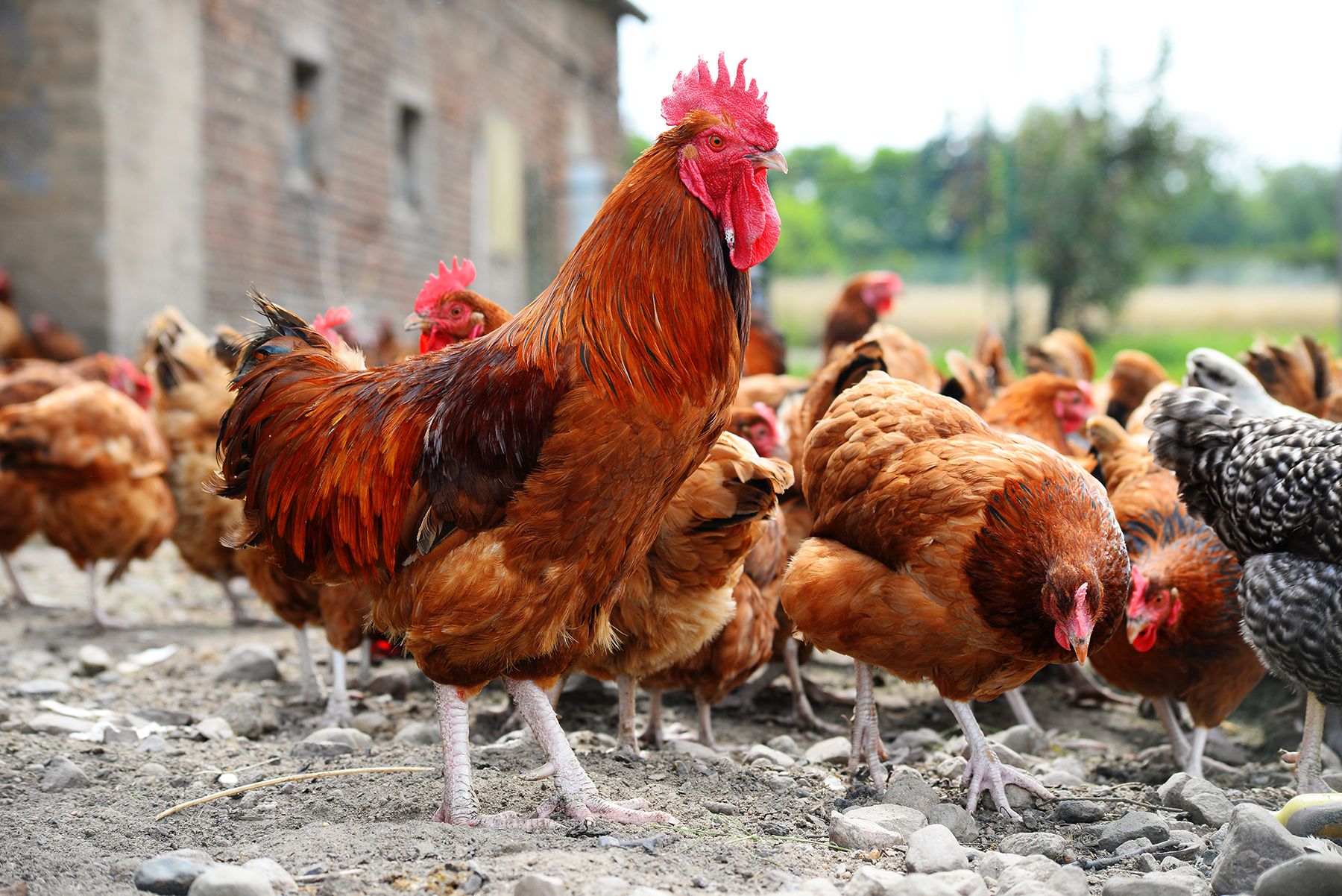
Why Chickens Stop Laying And How To Restore Egg Production
A sudden drop in egg production can be alarming, but it is often the flock’s response to a seasonal change, a management problem, or a period of physical stress. Hens do not lay at the same rate every day, and even healthy birds may pause when their energy is needed elsewhere.
The useful approach is to look for patterns rather than treating every reduction as an illness. Consider the hens’ age, daylight exposure, diet, housing, behavior, and overall condition before making changes. A careful check can reveal whether the pause is normal or needs prompt veterinary attention.
Natural Changes In A Hen’s Laying Cycle
Pullets usually begin laying between four and seven months, depending on breed, nutrition, and season. Production often rises during the first year, then gradually declines as a hen ages. Heritage breeds, heavy breeds, and ornamental poultry may mature more slowly than commercial laying strains.
Molting is another common reason for fewer eggs. During a molt, hens replace worn feathers and redirect protein and energy toward new plumage. Egg production may slow dramatically or stop for several weeks. This is normal, although the birds still need balanced feed, clean water, and protection from cold weather.
Broodiness can also interrupt laying. A broody hen focuses on sitting in a nest and may spend little time eating or drinking. If natural hatching is your goal, natural incubation guidance can help you manage the behavior safely while protecting the hen’s condition.
Daylight, Temperature, And Seasonal Effects
Hens need adequate light to maintain the reproductive cycle. As autumn and winter bring shorter days, many flocks reduce production or stop laying altogether. Consistent daylight is generally more important than warmth, so moving birds indoors without addressing their light exposure may not restore eggs.
Heat stress can suppress appetite and egg production during summer. Panting, wings held away from the body, lethargy, and crowding near drinkers are warning signs. Provide shade, ventilation, multiple water stations, and cool areas without creating strong drafts. In cold weather, dry bedding and a well-ventilated coop help prevent respiratory problems while reducing frostbite risk.
Artificial lighting may support winter production, but it should be introduced gradually and used with a timer. A sudden change in the light schedule can create additional stress. Many keepers allow a natural seasonal break, especially with heritage or backyard flocks, rather than pushing hens to lay continuously.
Nutrition And Water Problems
Egg production requires calories, amino acids, calcium, phosphorus, vitamins, and reliable hydration. Feeding scratch grains, kitchen scraps, or treats in excess can dilute the nutrients found in a complete layer ration. Offer a quality feed as the main diet, with treats kept modest and appropriate for poultry.
Calcium supports strong shells and normal reproductive function. Provide free-choice oyster shell or another suitable calcium source, especially for actively laying hens. Thin shells, soft-shelled eggs, reduced appetite, or weight loss can indicate a nutritional imbalance or an underlying health problem.
Water is just as important as feed. A dirty, frozen, empty, or difficult-to-reach drinker can reduce production quickly. Clean drinkers every day, check them in extreme weather, and add extra stations if dominant birds prevent timid hens from drinking.
| Likely cause | Clues to look for | Practical response |
|---|---|---|
| Molting | Loose feathers, bare patches, fewer eggs | Provide complete feed, clean water, and shelter |
| Short daylight | Seasonal decline with otherwise healthy behavior | Use a consistent lighting program or accept a winter pause |
| Poor nutrition | Thin shells, weight change, excessive treats | Return to balanced layer feed and provide calcium |
| Heat stress | Panting, lethargy, reduced water intake | Improve shade, airflow, and access to cool water |
| Broodiness | Persistent nest sitting, defensive behavior | Decide whether to allow hatching or gently break broodiness |
| Illness or parasites | Diarrhea, coughing, pale comb, weakness | Isolate the bird and seek veterinary guidance |
Stress, Housing, And Social Pressure
Chickens may stop laying after a move, predator scare, aggressive flock introduction, coop renovation, or prolonged noise. Dogs, wild predators, rodents, and repeated handling can all make hens feel unsafe. Secure the run, inspect fencing, and provide sheltered areas where birds can retreat.
Overcrowding creates competition for feeders, nest boxes, and roosting space. As a general guide, provide enough room for every bird to eat and drink without being chased away, along with approximately one nest box for every three to four hens. Keep nesting areas dark, clean, and filled with dry bedding to encourage proper laying behavior.
Introducing new poultry should be done gradually. Quarantine newcomers before contact with the resident flock, then use a see-but-don’t-touch period through wire or mesh. This reduces fighting and gives you time to identify signs of disease before exposure spreads.
Health Issues That Reduce Egg Production
Parasites such as mites, lice, and intestinal worms can drain a hen’s resources. Check the skin around the vent, under the wings, and along the legs. Pale combs, weight loss, excessive scratching, dirty feathers, and decreased activity deserve attention, particularly when several birds are affected.
Respiratory infections, reproductive disorders, injuries, and toxic plant or chemical exposure can also reduce laying. Abnormal eggs, swollen abdomen, straining, persistent diarrhea, labored breathing, or a hen that remains isolated should not be dismissed as a routine production pause.
Separate visibly sick birds, record symptoms, and contact a poultry-experienced veterinarian. Avoid using antibiotics, dewormers, or supplements without appropriate diagnosis and dosage advice. Treating the whole flock blindly can mask symptoms, create residue concerns, and delay the correct response.
A Practical Recovery Routine
Start by recording how many hens are laying, when the decline began, and whether the change affects the entire flock or only individual birds. Examine feed and water access, inspect the coop for mites or damage, and check that eggs are not being hidden outdoors or eaten by a predator.
Use a simple routine to restore stable conditions:
- Provide fresh complete layer feed and constant access to clean water.
- Check body condition, comb color, droppings, feathers, and breathing each day.
- Reduce stress from predators, overcrowding, heat, noise, and abrupt flock changes.
- Offer oyster shell separately and limit low-nutrient treats.
- Isolate birds with clear signs of illness and seek professional advice promptly.
After correcting a management issue, production may take several days or weeks to recover. A hen coming out of molt, broodiness, or illness may need time to rebuild body reserves. Keep observing the flock rather than changing several variables at once, because steady care makes the cause easier to identify.
Choosing Birds With Long-Term Care In Mind
Breed characteristics influence laying frequency, temperament, maturity, egg color, and seasonal persistence. A hardy heritage hen may offer useful longevity and brooding instincts, while a specialized layer may produce more eggs under carefully managed conditions. Matching the bird to your climate, housing, and goals is more reliable than expecting every breed to perform identically.
When adding chicks, mature hens, or hatching eggs, prioritize reputable sources that emphasize healthy stock, careful handling, and quality control. Sound genetics and good early care can support a productive flock, but daily management remains essential after the birds arrive.
Use the checks above as a regular flock-health routine, respond early to changes, and arrange veterinary care when symptoms point beyond normal seasonal behavior. With suitable nutrition, secure housing, and thoughtfully selected poultry, you can give your hens the best chance to return to steady, healthy egg production.