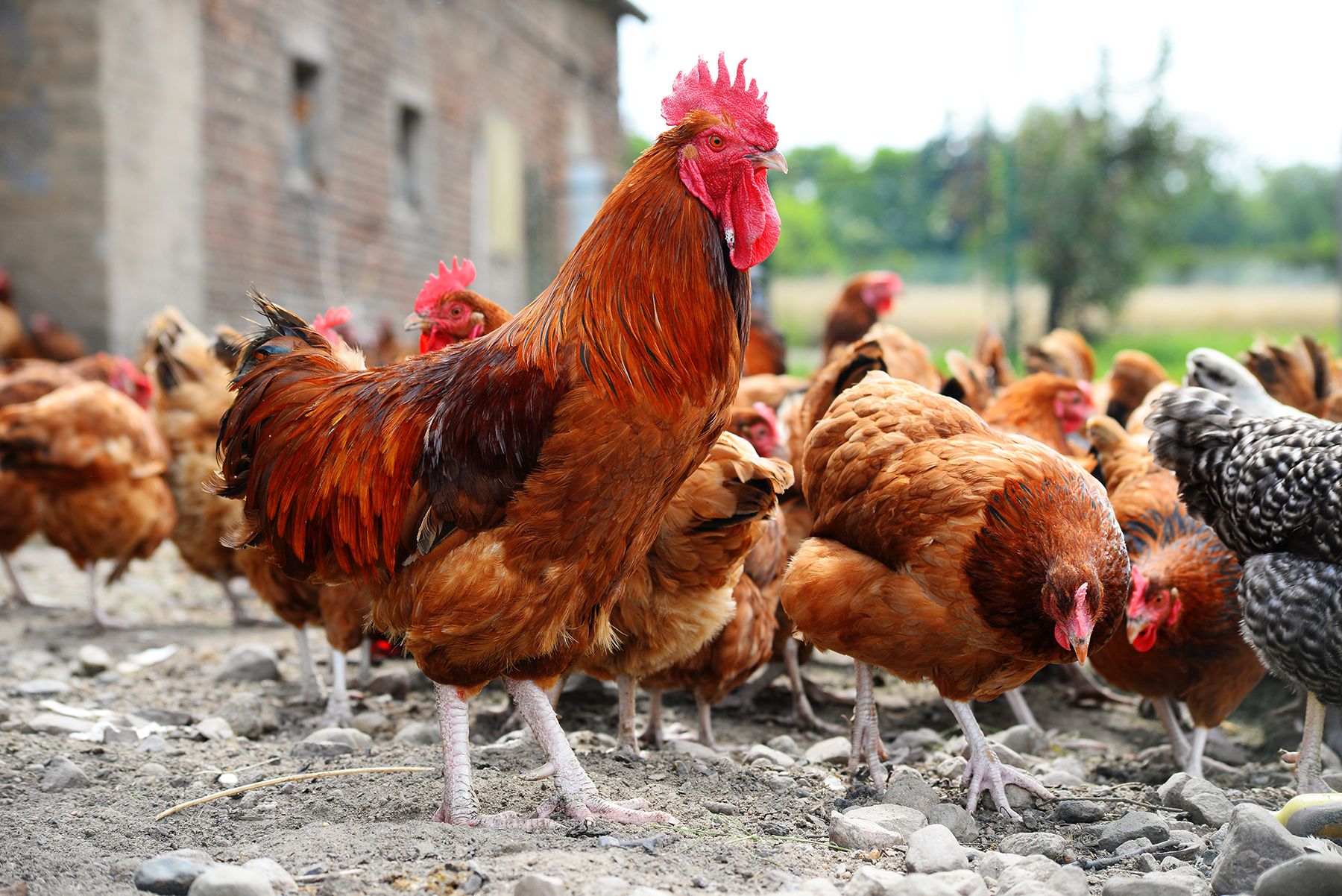
Feeding growing pheasant chicks for strong, healthy feathers
Pheasant chicks grow rapidly during their first weeks, and their diet has a direct effect on feather quality, body size, immunity, and future breeding performance. A balanced gamebird ration supplies the concentrated protein and nutrients that ordinary chick feed may lack. Learn more about How To Butcher And Process Homegrown Turkeys 4bf4.
Feathers are made largely of keratin, a protein that depends on adequate amino acids, vitamins, and minerals. Poor nutrition can produce slow feathering, weak shafts, uneven plumage, and increased vulnerability to cold. Feeding growing pheasant chicks well means matching the ration to their age while keeping feed fresh and easy to consume.
Housing, temperature, cleanliness, and access to water also influence how efficiently chicks use their feed. Even a high-quality ration cannot compensate for damp bedding, overcrowding, chilling, or constant stress.
Start with a gamebird starter ration
During the first six to eight weeks, pheasant chicks generally need a gamebird starter containing about 28–30% crude protein. This higher protein level supports rapid muscle growth and the development of primary and body feathers. Choose a reputable crumble or fine mini-pellet designed for pheasants, quail, or similar gamebirds.
A chick starter made for ordinary laying breeds may contain too little protein for ideal pheasant growth. If a dedicated gamebird starter is unavailable, select a high-protein non-medicated poultry starter only after checking its nutrient label and suitability with a poultry veterinarian or feed specialist.
Feed should be fresh, dry, and free from mold or stale odors. Fine crumble is usually easier for young pheasants to pick up than large pellets. Use shallow feeders during the first days, then change to appropriately sized feeders as the chicks grow to reduce waste and contamination.
Supply the amino acids behind feather growth
Protein percentage matters, but amino acid balance matters just as much. Methionine and cystine are especially important for keratin formation, while lysine supports general tissue development. A complete commercial gamebird ration is usually safer than attempting to balance individual grains and supplements at home.
Avoid diluting the starter with cracked corn, wheat, oats, or scratch grains. These foods can be offered sparingly to older birds, but too much grain lowers the overall protein and amino acid density of the diet. Sunflower seeds and other treats should remain occasional additions rather than a main source of nutrition.
Growing pheasants also need calcium, phosphorus, zinc, selenium, and vitamins A, D, and E in carefully balanced amounts. Do not add poultry supplements routinely unless the product is intended for gamebirds and the dosage is clear. Excess minerals or vitamins can be harmful and may interfere with the complete ration.
Adjust feed as the birds mature
As chicks approach six to eight weeks, their growth rate and nutritional requirements begin to change. Many keepers transition gradually to a gamebird grower feed containing roughly 20–24% protein. Make the change over several days by mixing increasing amounts of the new ration with the starter.
| Pheasant age | Suitable feed | Approximate protein | Feeding focus |
|---|---|---|---|
| Hatch to 2 weeks | Fine gamebird starter crumble | 28–30% | Easy access, frequent intake |
| 2 to 6 weeks | Gamebird starter crumble or mini-pellet | 28–30% | Feather and skeletal growth |
| 6 to 12 weeks | Gamebird grower ration | 20–24% | Controlled, steady development |
| After 12 weeks | Grower or maintenance feed as advised | 18–22% | Body condition and adult preparation |
Offer enough feed for every chick to eat without crowding, but avoid leaving large quantities exposed overnight. Check feeders daily and remove wet or soiled feed. Pheasants often waste food by scratching, so feeder height and a catch tray can help preserve the ration.
Make clean water part of the nutrition plan
Water is essential for digestion, circulation, temperature regulation, and nutrient absorption. Provide clean, cool water at all times in drinkers that chicks can reach without climbing into. Wet feathers and soaked litter encourage chilling and bacterial growth, so position drinkers securely and inspect them several times a day.
Electrolytes may be useful briefly after transport, extreme heat, or significant stress, but they should not replace plain water. Probiotics can also have a place under professional guidance, particularly after digestive disruption. Routine medication should be based on local disease risks and veterinary advice rather than used automatically.
If pheasants share space with other poultry, manage feed carefully because different species have different requirements. For example, Muscovy duck care involves water, housing, and dietary considerations that do not automatically suit young pheasants.
Prevent nutrition-related feather problems
Feather damage is not always caused by feed. Lice, mites, pecking, overcrowding, dampness, and inadequate brooder temperature can all produce broken or missing feathers. Inspect chicks regularly, especially around the wings, tail, and vent, and separate injured or bullied birds when necessary.
A balanced diet supports feather development, but good management lets birds use those nutrients effectively. Keep litter dry, provide enough floor and feeder space, and protect chicks from drafts while maintaining appropriate ventilation. Sudden feed changes should be avoided because digestive upset can reduce intake and slow growth.
Never rely on layer feed for growing pheasants. Its calcium level is designed for egg production and may be unsuitable for immature birds. Kitchen leftovers, bread, and sugary foods also dilute the nutrient profile and can encourage selective eating.
A practical routine for better plumage
Use a consistent daily routine so changes in appetite, droppings, activity, or feather condition are noticed early.
- Choose a complete gamebird starter with a verified protein and amino acid profile.
- Keep fresh feed available while removing damp, moldy, or contaminated portions.
- Provide clean water in stable drinkers and wash them regularly.
- Transition to grower feed gradually at the age recommended on the product label.
- Check body condition, feather coverage, litter quality, and signs of pecking every day.
Record the feed brand, transition dates, mortality, and growth observations. This makes it easier to identify whether poor feathering is linked to nutrition, parasites, environment, or disease. When raising birds for future release, breeding, or a home flock, steady development is more valuable than forcing rapid weight gain.
Healthy pheasant chicks begin with a suitable gamebird ration, but their success depends on the complete system of feed quality, clean water, calm housing, and careful observation. Source vigorous birds and dependable poultry supplies from Premium Poultry Breeds, then maintain the same attention to care as the chicks develop into well-feathered adults.