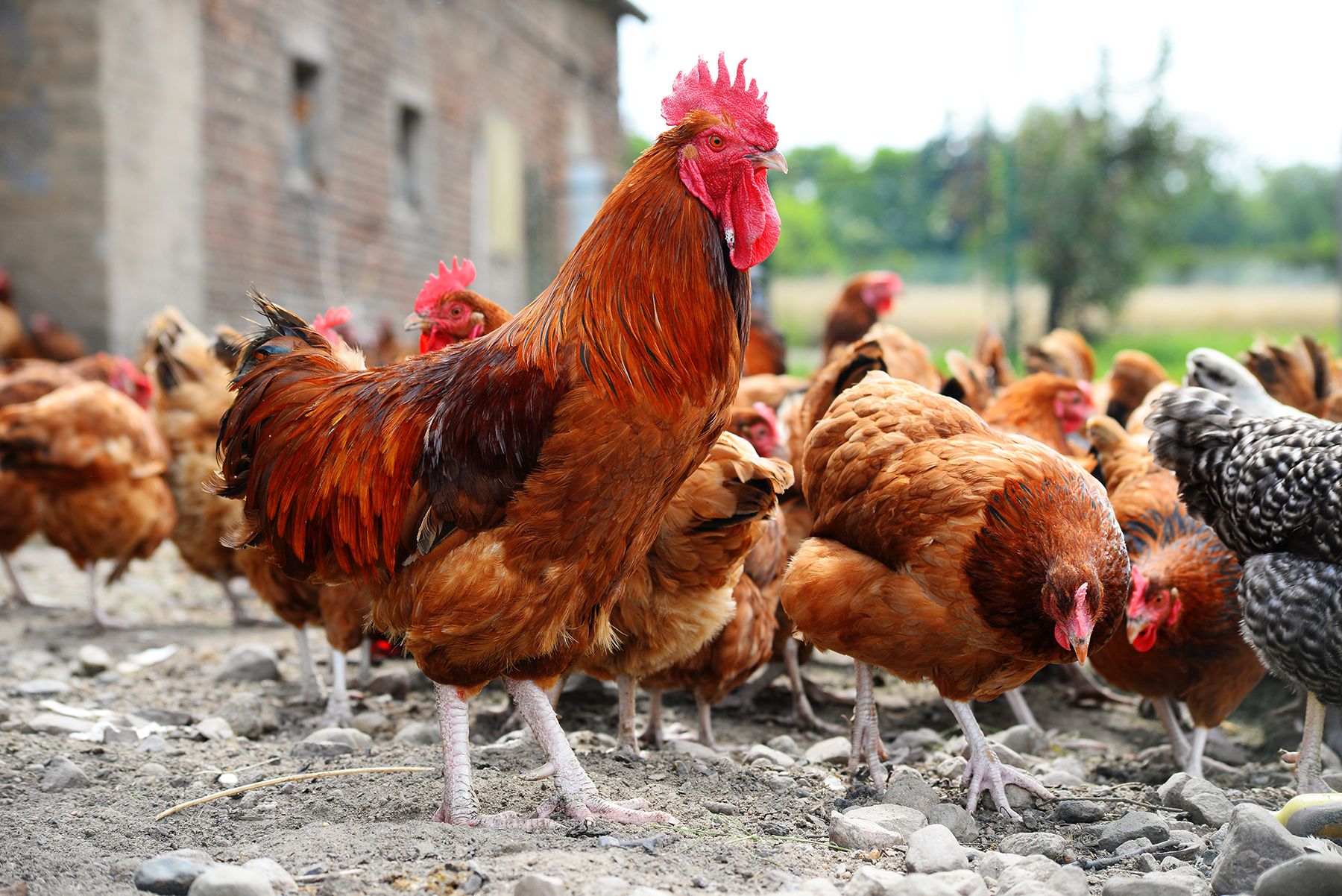
Understanding pecking order dynamics in mixed flocks
When you keep a few chooks in the backyard or run a mixed mob on a property in regional Queensland, watching how birds sort themselves out is half the fun of poultry keeping. The structure that forms the moment new birds arrive is far more complex than a simple list of who rules the roost, and it shapes feed access, nest box use and roosting spots across the whole flock.
Mixed flocks throw up extra layers of interest because chickens, ducks, turkeys, quail and peafowl do not all play by the same rules. A dominant Isa Brown hen and a muscovy drake size each other up in completely different ways, and waterfowl generally run a looser hierarchy than the strictly linear system chickens enforce. Understanding these differences is the first step toward keeping the peace, especially when introducing new birds to an established group.
What the pecking order really is
The term was coined by Norwegian zoologist Thorleif Schjelderup-Ebbe in the 1920s after years of watching domestic fowl. It describes a stable social ranking where the alpha hen eats first, picks the best dust-bathing patch and chooses her roost spot. Below her sits an alpha-beta-gamma chain that can extend surprisingly deep in larger flocks, with each bird knowing who she can boss and who outranks her.
Chickens reinforce this ranking through ritualised pecks, hard stares, shoulder pushes and subtle body blocking around feeders. A single sharp peck to the head or comb is usually enough to remind a subordinate of her place. The system is not static, but it is remarkably stable once established, because every bird has more to lose than gain.
How the hierarchy is established
New birds trigger an intense period of renegotiation whenever they are introduced. Expect two to three weeks of scuffles, chasing and the occasional feather pulled out as the group works out where everyone fits. Pecking and posturing peak in the first 48 hours and settle once a new order is cemented.
Age plays a huge role, with younger birds almost always submitting to older residents regardless of breed or size. Birds reared together from day-old chicks sort their differences quietly, while strange adults from different origins cause the most disruption. Even visual differences such as feather colour, leg length or comb style shape how seriously one bird takes another.
Factors that shake the balance
Several everyday events can reset or distort an otherwise settled pecking order. Adding or removing birds is the obvious trigger, but changes to the physical environment matter just as much. Moving hens to a new coop, swapping pellet brands or letting the flock free-range in a fresh paddock all force birds to renegotiate resources.
Broody hens, recovering ex-battery layers and birds returning from a show or vet visit often drop down the ladder temporarily. Spring broody behaviour across southern Australia scrambles rankings for weeks, particularly in mixed heritage flocks with strong maternal lines. Even a sudden cold snap in July can shift the dynamic as birds compete harder for sheltered roosts.
Mixing different species without chaos
Chickens, ducks, geese, turkeys and guinea fowl can share a coop if the keeper plans ahead. Waterfowl generally ignore chicken hierarchies because they operate on a separate social plane, but they need their own exit routes and feeding stations where chooks cannot steal their pellets. Turkeys are surprisingly gentle and often slot in beneath dominant hens rather than above them.
A quick comparison of how common species handle dominance helps when planning a new setup:
| Species | Hierarchy style | Tension points |
|---|---|---|
| Chickens | Strict linear ranking with clear alpha | New birds, moulting, broody hens |
| Ducks | Loose flock with strong pair bonds | Breeding drakes, water shortage |
| Turkeys | Gentle, matriarch-led groups | Crowding, mismatched ages |
| Geese | Pair-based, highly territorial | Breeding season, nest sites |
| Quail | Small coveys, mild squabbling | Overcrowding, limited cover |
| Peafowl | Seasonal, males separate most of year | New males, display clashes |
The trick is to give every species what it needs without forcing competition. Ducks need a low dish of water for cleaning their bills, turkeys need high roosts out of reach of heavy chooks, and bantams appreciate escape routes through pop holes sized for their smaller frames. Many keepers in places like the Adelaide Hills and the Huon Valley run mixed flocks with few incidents, provided space and resources are generous.
How males complicate the picture
Roosters, drakes, tom turkeys and ganders all run their own hierarchies within each species and rarely acknowledge the rankings of females. A single rooster over eight to ten hens usually keeps order without becoming brutal, but two mature roosters in the same yard will fight to establish which one rules the cockerels and the flock.
The cleanest way to manage multiple males is to give each his own small harem separated by a fence line, allowing visual contact without physical confrontation. Drakes can be especially aggressive during the breeding season from August through February in the southern hemisphere, and sometimes target chicken hens out of frustration. Removing persistent offenders or running a drake-only bachelor paddock through spring usually solves the problem.
Reading the warning signs of bullying
Normal pecking order behaviour looks sharp but short-lived: a quick chase, a peck on the head and the loser walks away. Bullying looks very different and should never be ignored. Victims isolate themselves, lose weight, develop raw patches near the vent, and may stop laying even at peak season.
Persistent feather pulling that draws blood is the clearest red flag, followed by birds hiding in nest boxes during the day or refusing to come off the perch. In hot dry summers like those Brisbane and Perth regularly see, bullied birds dehydrate faster because they cannot reach the waterer without being chased. Catch the signs early and you can rehome the aggressor, separate the victim for a few days to recover, or cull the worst offender depending on how serious the operation is.
Building a calmer mixed flock from the start
Prevention is always easier than intervention, and a few simple practices keep most flocks civil. Provide more feeders and waterers than the minimum, scatter grain in deep litter to keep birds occupied, and offer plenty of vertical space with multiple perches at different heights. Daytime distractions such as hanging cabbage, pecking blocks and dust-bathing pits full of dry soil absorb a lot of aggressive energy.
Source new birds from breeders who rear chicks in age-matched groups rather than mixed-age sale yards, and quarantine them for at least two weeks before any visual contact with the home flock. When it comes time to choose healthy, well-socialised stock for your setup, browsing a trusted online poultry breeder that focuses on quality and careful handling makes the whole introduction smoother. Steady routines, generous space and a willingness to step in early are the real secrets of a peaceful mixed flock.