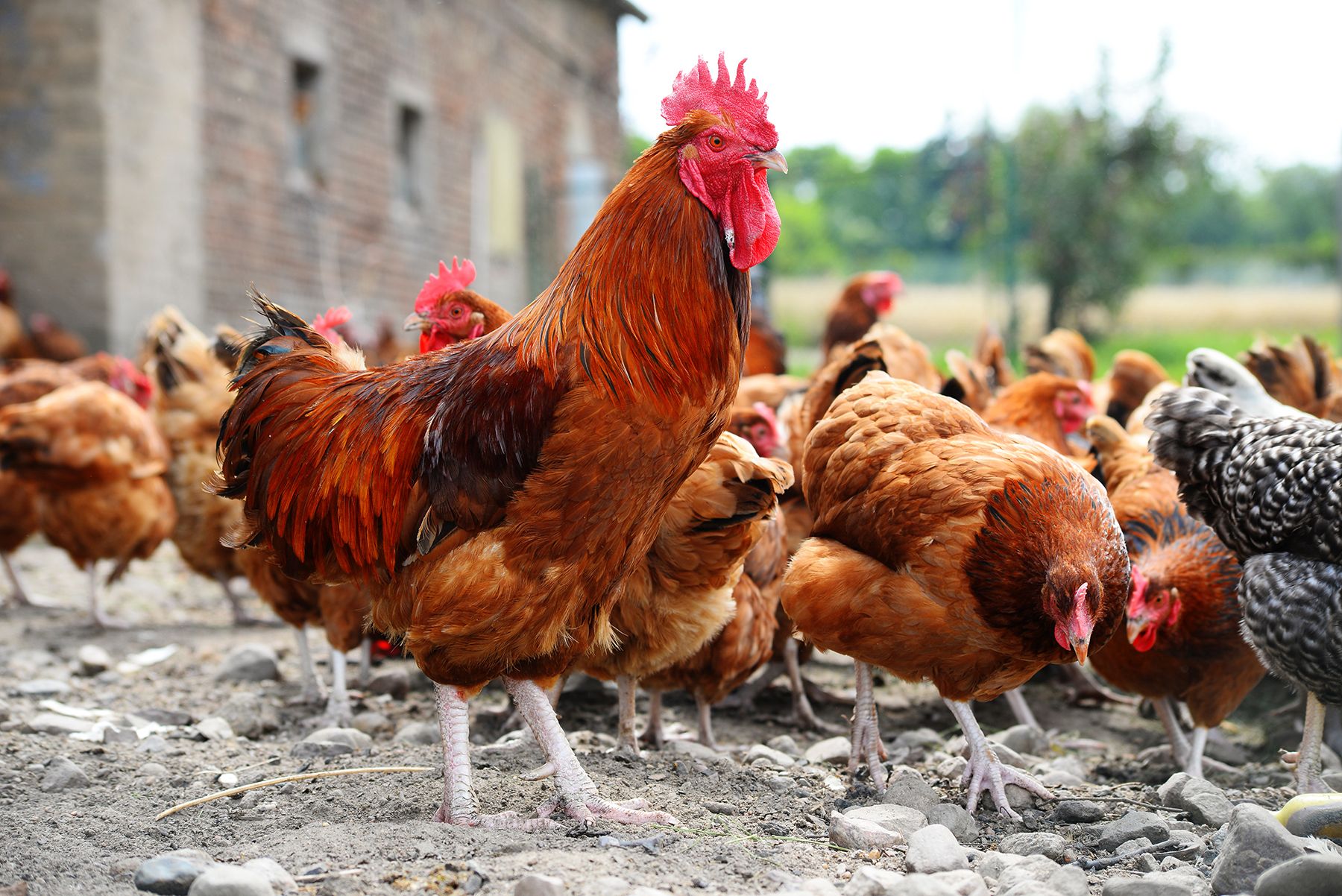
Understanding the molting cycle in heritage chickens
Heritage chickens periodically shed and regrow their plumage. This moulting cycle is a normal part of adult life, yet its timing and duration can vary sharply among hens. Understanding the molting cycle in heritage chickens helps keepers separate seasonal change from illness.
In Australia, backyard flocks in Melbourne, Sydney and Perth experience very different weather. Daylight length, temperature swings, body condition and reproductive activity often matter more than a fixed calendar date, so two birds can begin at different times.
What the molting cycle involves
Moulting is the orderly replacement of old feathers with new ones. A chicken may drop a few contour feathers at a time, making the process look gradual rather than sudden. Feathers are made largely of keratin, so healthy growth depends on steady nutrition and enough time for each follicle to produce a replacement.
Replacement follows overlapping stages: feather loss, pinfeather growth and completion of the new coat. It commonly takes several weeks, although an older, heavier hen or a bird under weather or nutritional stress may take longer. Most hens return gradually to their previous laying level after the new plumage is established.
Timing across Australian seasons
Most hens encounter their first adult moult in the year after point of lay, although heritage breeds vary and some begin earlier or later. Egg output commonly drops before the major feather loss. Shortening autumn days in southern Australia can support this timing, yet heat, hatching, broodiness and flock pressure can shift the pattern.
Perth’s dry summers, Sydney’s humidity, Melbourne’s changeable conditions and frosty alpine nights all affect how visible a moult becomes. During long evenings, a keeper making late checks may appreciate sleepwear for slow evenings, but the birds still need darkness, quiet and a predator-safe roost rather than unnecessary lighting.
Reading the signs at a glance
During a typical moult, keepers may notice:
- A temporary fall in egg production.
- Loose breast, neck and tail feathers.
- Quieter behaviour and a slightly lower appetite.
Feather loss develops at different rates across the body, so mild patchiness can be normal. Use the bird’s pattern over several days rather than judging from one photograph.
Closer attention is warranted when:
- Bald patches, broken pinfeathers or sores appear.
- Persistent scratching, matted feathers or visible lice or mites occur.
- Severe lethargy, drooping wings, diarrhoea or marked weight loss develops.
A moult can overlap with parasites, illness, bullying or a poor-quality ration. Check the vent, skin and feather shafts, compare affected birds with healthy flock mates, and seek poultry-veterinary advice when recovery stalls.
Feed, water and dry shelter
Keep a moulting hen on a complete layer ration with adequate protein and energy rather than making abrupt feed changes. Large additions of scratch grain or kitchen scraps can dilute the balanced diet, while clean water must remain available at all times. Shell grit can be offered separately for laying hens as their calcium needs change.
Provide a dry, well-ventilated shelter, a comfortable perch and access to a dry dust-bathing area. Avoid chasing or handling birds with dense pinfeathers because a bent shaft can be painful and become an entry point for infection. If new chicks arrive during this period, review brooder setup errors and quarantine the arrivals before mixing them with adult birds.
Daylight, stress and steady routines
Keep lighting and feeding times consistent, especially because sudden changes can delay recovery. Foxes, dogs, nearby construction and extreme weather create stress, so inspect fencing and keep predators out without repeatedly disturbing resting birds. When chicks are present, follow safe heat lamp guidance; adult moulting hens usually need age-appropriate shelter rather than artificial heat.
Check council rules in Australian cities before adding poultry, particularly for rooster bans, setbacks and housing conditions. Birds moved interstate or shown elsewhere may also need to meet the destination state’s biosecurity requirements. Compare local hatchery, specialist-breeder and rural-supplier options, then record flock treatments and purchases.
Separating normal moulting from warning signs
Several signs can look similar, so compare the whole pattern rather than relying on one observation:
| What to observe | Typical moulting pattern | Pattern needing closer attention |
|---|---|---|
| Feather loss | Gradual loss across the breast, neck and tail | Bald skin, wounds or sudden large patches |
| Activity | Quieter for several days or weeks | Persistent weakness, drooping or no improvement |
| Vent and skin | Clean vent with firm-feeling pinfeathers | Swelling, crusting, discharge or irritation |
| Egg laying | Gradual decline followed by recovery | Sharp collapse or prolonged absence despite recovery |
A bird that remains weak, develops sores or cannot resume normal behaviour may need more than time and feed. Isolate only if safe, preserve a sample or photograph for advice, and contact a poultry veterinarian or local animal-health service when multiple birds show symptoms.
Prepare for the next breeding cycle
Keep a simple flock record with hatch or arrival dates, expected moulting periods, egg output, weather events and treatments. Photographs taken from the same angle make pinfeather progress easier to assess and help breeders compare suitable birds without relying on appearance alone.
When you are ready to establish a flock or protect a heritage bloodline, review Premium Poultry Breeds’ heritage chickens and hatching eggs, compare the available breeds with your local market, and reserve an arrival time that allows a calm quarantine and settling period.