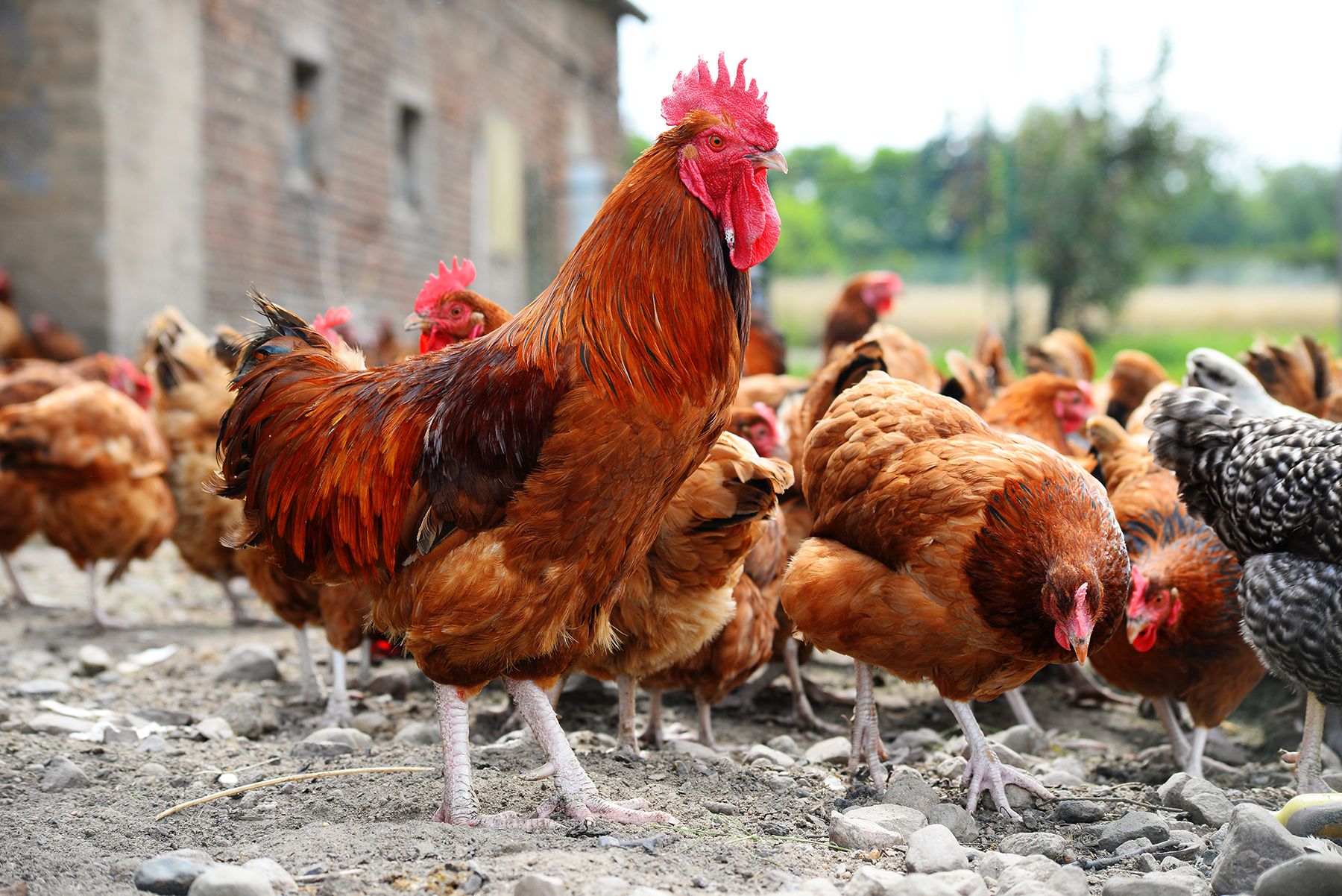
Understanding pecking order dynamics in mixed flocks
A mixed flock is a living social system. Chickens, ducks, geese, turkeys, quail, and other poultry establish relationships through posture, movement, vocalizations, and occasional confrontations. The resulting hierarchy helps birds decide who gets first access to feed, water, shelter, and preferred resting places.
Some pecking is normal. A quick nudge or brief chase often settles a dispute without causing harm. Problems develop when aggression becomes persistent, when a weaker bird cannot eat or drink, or when differences in size and temperament make the flock difficult to manage.
Recognizing normal rank behavior allows keepers to intervene at the right time. Thoughtful flock design, adequate space, and careful observation can prevent many injuries before they occur.
Why a flock hierarchy develops
Poultry establish rank because social order reduces constant conflict. Birds learn which flockmates are dominant, subordinate, unfamiliar, or likely to challenge them. A stable hierarchy may look harsh to a human observer, but it can create predictable routines once the initial disputes have ended.
Changes often restart the process. Introducing new birds, moving housing, removing a dominant individual, or adding a mature male can unsettle the existing order. Even a flock that has been peaceful for months may show increased chasing and pecking after a significant change.
Age and maturity also influence rank. Young birds may test one another frequently, while adults tend to defend established positions. A confident bantam can sometimes control larger, calmer birds, although physical size still matters when conflict becomes serious.
Reading normal and harmful behavior
A dominant bird may stand tall, lower its head toward another bird, block access to food, or deliver a quick peck. Subordinate birds typically retreat, avoid eye contact, or wait for space to open. Short chases and brief displays are generally part of social negotiation.
Persistent targeting is different. Watch for repeated attacks against one individual, feather loss around the head or back, bleeding, lameness, weight loss, or a bird that remains hidden. A victim may stop approaching feeders and drinkers even when resources are available.
Stress can also appear without obvious wounds. Crowding, constant alarm calls, reduced activity, poor feather condition, and reluctance to leave a shelter indicate that the social environment may be unsafe. Any bird with an open wound should be separated because blood can attract further pecking.
Breed, body size, and temperament
Mixed flocks require more planning than groups made up of similar birds. A large turkey can injure a chicken accidentally, while geese may defend territory with forceful bites and wing strikes. Ducks are often less aggressive than geese, but their body size and wet living areas can create separate management concerns. The waterfowl selection at Premium Poultry Breeds can help keepers consider species characteristics before expanding a flock.
Temperament varies within every breed, yet broad tendencies are useful. Active, assertive chickens may dominate quieter heritage varieties. Bantams can be bold and quick but remain vulnerable to heavy birds. Silkies are often gentle and may need protection from more forceful flockmates, especially when broody behavior keeps them in secluded nesting areas.
Male-to-female ratios deserve attention as well. Too many roosters can create competition and overmating, while a single aggressive male may disrupt the entire flock. Combining species is safest when birds have compatible temperaments, sufficient room, and separate areas for rest and feeding.
| Flock factor | Lower-risk situation | Higher-risk situation | Practical response |
|---|---|---|---|
| Body size | Similar-sized birds | Large and small birds sharing tight spaces | Add escape routes and separate feeding areas |
| Temperament | Calm, steady breeds | Highly assertive birds with timid breeds | Monitor introductions closely |
| Age | Birds raised together | Mature adults and small juveniles | Use a protected grow-out area |
| Male ratio | Limited, compatible males | Several competing males | Rehome, separate, or redesign groups |
| Resources | Multiple feeders and drinkers | One crowded resource point | Spread supplies across the enclosure |
Designing space that reduces conflict
Space is more than floor area. Birds need room to move away from a dominant flockmate, turn corners, perch, dust bathe, and rest without being trapped. Visual barriers such as solid partitions, shrubs, low panels, or stacked hay bales can interrupt line-of-sight and give subordinate birds a chance to escape.
Provide more than one feeding and drinking station, placing them far enough apart that a dominant bird cannot guard both. Covered areas and elevated perches can help chickens avoid ground-level harassment, while ducks and geese need clear, non-slip access to water and dry resting zones.
Avoid dead ends in shelters and runs. A bird cornered against a wall cannot perform a normal retreat, so even ordinary rank behavior may become dangerous. Doors, partitions, and ramps should allow easy movement for the smallest and least confident members of the flock.
Introducing new birds safely
New arrivals should be quarantined first to reduce the risk of infectious disease and to observe appetite, droppings, breathing, and general condition. After quarantine, place neighboring groups where they can see and hear one another without making physical contact. This gradual stage helps reduce the shock of a direct introduction.
When birds are finally combined, choose a spacious, unfamiliar area rather than a cramped section claimed by resident birds. Introductions are often easier during daylight, when keepers can supervise and birds have room to move. Add extra feeders, drinkers, and hiding places before opening the barrier.
Avoid introducing a single small bird to a large established group whenever possible. A pair or small compatible group can share social pressure more evenly. Keep a secure divider ready so an injured or relentlessly targeted bird can be removed immediately.
Daily monitoring and practical intervention
Regular observation is the best protection against escalating aggression. Watch the flock during feeding, shortly before roosting, and after any change in housing. Record which birds are being excluded, where confrontations occur, and whether particular resources trigger conflict.
Helpful management steps include:
- Separate any bird with bleeding, serious injury, or repeated attacks.
- Add several feeding and drinking stations at different locations.
- Provide visual barriers, perches, and escape routes without creating traps.
- Reduce overcrowding and review the number of males in the group.
- Reintroduce a recovered bird gradually after wounds have healed.
Examine the separated bird for parasites, illness, poor body condition, or reproductive stress, since weakness can make an individual a target. Check the aggressor as well; pain, hormonal changes, or environmental frustration may be contributing to unusual behavior.
Broodiness can alter normal flock patterns because a hen may defend a nest or isolate herself. Keepers raising Silkies may benefit from reviewing natural incubation tips before deciding whether a broody hen should remain within the main flock.
Build a balanced flock
A peaceful mixed flock begins before birds arrive. Match species and sizes thoughtfully, prepare multiple resource points, and plan separate housing for quarantine, juveniles, breeding groups, and injured birds. Healthy stock and careful handling provide a strong foundation, but daily management determines whether that foundation lasts.
Browse suitable poultry breeds and plan a flock where every bird has room to feed, rest, retreat, and recover. With consistent observation and timely intervention, the pecking order can remain a manageable part of flock life rather than a source of preventable injury.