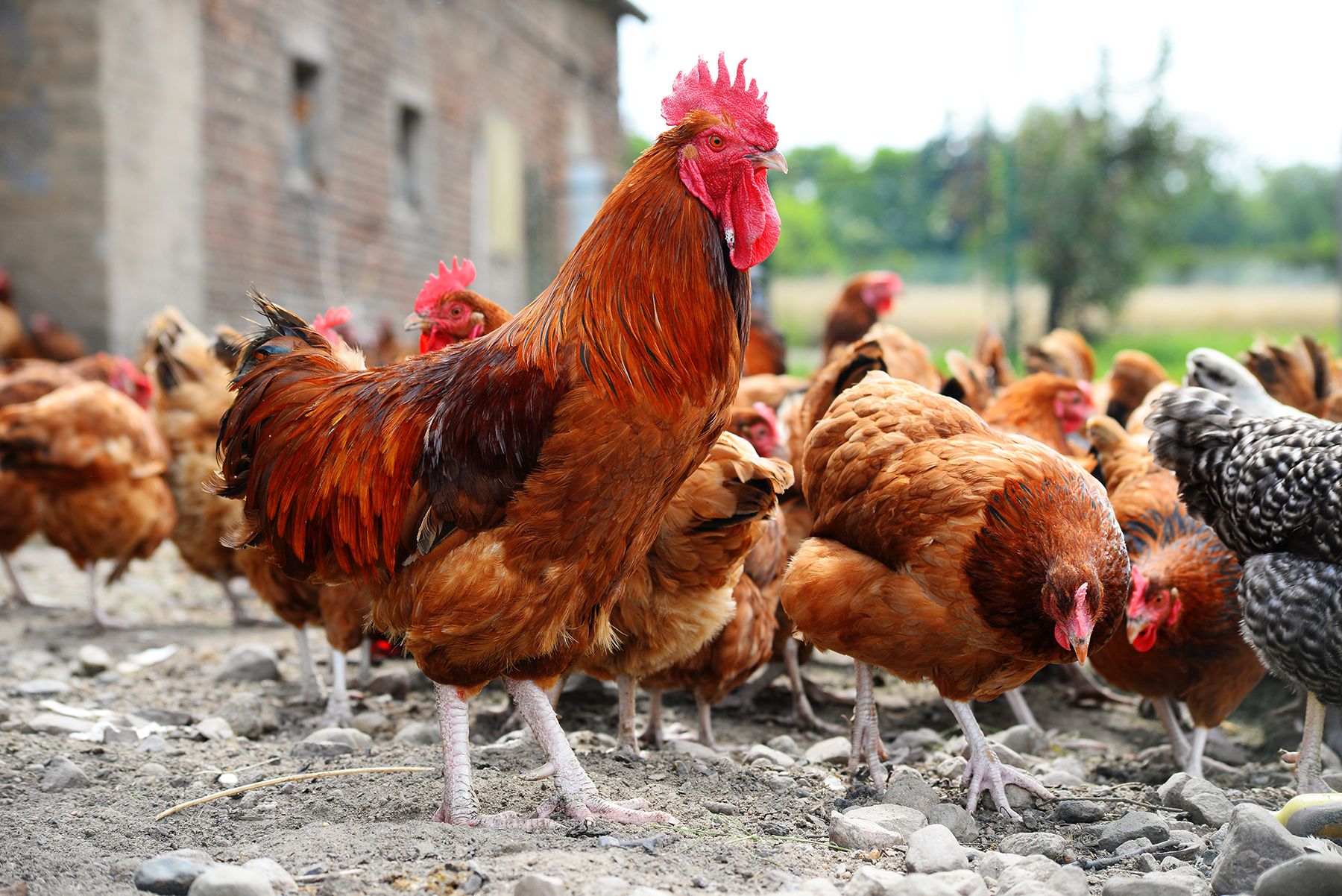
Understanding Feather Pecking And Cannibalism In Backyard Flocks
Feather pecking can begin as a harmless social behavior, but repeated pulling, skin damage, and blood exposure may quickly turn into serious flock aggression. Backyard keepers often first notice bare patches around the tail, vent, neck, or wings. Once an injury appears, other birds may continue investigating it, creating a cycle that can lead to cannibalism.
The behavior is rarely caused by a single problem. Crowding, bright lighting, an unbalanced diet, parasites, heat stress, boredom, and flock tension can all contribute. Effective control depends on finding the trigger while protecting injured birds immediately.
A calm, observant approach is especially important when raising mixed poultry or adding new stock. Chickens, ducks, quail, turkeys, and other species have different space, feeding, and social requirements, so prevention should be adapted to the birds in your care.
Recognizing Normal And Harmful Pecking
Poultry use pecking to explore their surroundings, establish a social order, and communicate. Brief pecks without feather loss or distress are generally normal. Trouble begins when one bird repeatedly chases another, pulls feathers, prevents access to food or water, or targets the same body area.
Watch for broken feathers, reddened skin, scabs, missing feathers, or blood near the vent. A bird that hides, crouches, loses weight, or stays away from the flock may already be under significant pressure. Vent pecking deserves immediate attention because it can become severe very quickly.
Cannibalistic behavior is an emergency rather than a minor disciplinary issue. Remove the injured bird from view of the flock, place it in a clean and secure recovery area, and control bleeding with appropriate first-aid care. Deep wounds, prolapsed tissue, weakness, or signs of infection require prompt veterinary guidance.
Common Triggers Behind Flock Aggression
Insufficient space is one of the most common causes of persistent pecking. Birds need room to walk away from dominant flock members, access several feeding points, and rest without being disturbed. A cramped enclosure concentrates competition and gives a bullied bird nowhere to escape.
Light intensity and day length also influence behavior. Excessively bright housing can make birds more reactive, while sudden changes in lighting may increase stress. Heat, poor ventilation, loud disturbances, and frequent handling can further reduce tolerance within the group.
Diet matters as well. Inadequate protein, limited amino acids, salt imbalance, or a shortage of essential nutrients can encourage feather eating and poor feather regrowth. Provide a complete ration suited to the species and age, along with clean water. Avoid relying heavily on treats or scratch grains that dilute the nutritional value of the main feed.
Investigating Health And Social Causes
External parasites such as lice and mites can cause itching, broken feathers, and restless behavior. Examine the skin around the vent, under the wings, and along the breast. Also check for diarrhea, respiratory symptoms, lameness, weight loss, or other illness that could make a bird vulnerable.
A flock can become unstable after introducing new birds, removing a dominant bird, or keeping a large number of males together. Quail are particularly sensitive to overcrowding and poor pen design; practical guidance on quail breeding pen setup can help reduce avoidable stress in smaller species.
Record which birds are involved and when the pecking occurs. Patterns often reveal the cause: aggression near feeders suggests competition, attacks during bright daylight may indicate lighting trouble, and feather loss across several birds may point toward parasites or diet.
Choosing A Response That Fits
Treatment should address both the victim and the flock. Isolate a wounded bird, inspect the remaining birds, and correct environmental problems before returning it. Reintroduction is safest after the wound has healed and the bird no longer attracts attention.
| Observation | Likely concern | Useful first response |
|---|---|---|
| Bare feathers with little skin damage | Overcrowding, boredom, diet, or parasites | Check space, feed, enrichment, and skin |
| Red skin or an open wound | Escalating pecking | Isolate the bird and provide prompt care |
| Pecking around the vent | Injury, prolapse, diarrhea, or nutritional stress | Separate immediately and seek veterinary advice when needed |
| One bird repeatedly chasing others | Social conflict or excessive male pressure | Remove the aggressor or rebalance the group |
| Several birds losing feathers | Parasites, molt, diet, or environmental stress | Examine the flock and review husbandry conditions |
Avoid masking the problem with harsh measures while leaving the original trigger unchanged. Beak trimming is regulated or restricted in some places and should never replace proper management. Likewise, do not return a bird to a flock while blood or exposed tissue remains visible.
Designing A Calmer Poultry Environment
Provide enough floor and perch space for birds to move away from one another, with multiple feeders and drinkers positioned apart. Keep litter dry, remove sharp edges, and offer sheltered areas where a timid bird can retreat. Good ventilation should remove moisture and ammonia without creating drafts.
Enrichment gives active birds appropriate outlets for exploration. Hang leafy greens, scatter a small amount of suitable forage, add dust-bathing areas, or use safe objects that encourage natural movement. Rotate enrichment so it remains interesting, while keeping the coop clean and free of materials that can be swallowed.
Species-specific housing is essential. Turkeys require more room and stronger structures as they mature, and their size can create safety issues in mixed flocks. When planning a suitable group, review healthy turkey breeds and their adult needs rather than choosing birds solely by appearance.
Practical Prevention Steps
Use a routine that makes small changes visible before they become flock-wide problems.
- Inspect birds several times each week, including the skin beneath the wings and around the vent.
- Supply a complete, age-appropriate ration and refresh clean water every day.
- Reduce crowding by expanding housing or dividing incompatible groups.
- Offer several feeding and drinking stations to limit guarding behavior.
- Isolate injured or persistently bullied birds promptly, and monitor recovery before reintroduction.
New birds should be quarantined and observed before joining an established flock. This helps identify parasites and illness while also allowing a gradual visual introduction through a barrier. Keep records of injuries, flock changes, lighting adjustments, and feed changes so recurring patterns are easier to identify.
A well-managed flock can still experience occasional conflict, but repeated feather damage should never be dismissed as ordinary pecking. Inspect the environment, protect vulnerable birds, and correct the underlying cause methodically. With healthy stock, suitable housing, and attentive care, backyard keepers can maintain productive, social poultry without allowing aggression to become a permanent habit.
Explore carefully selected live poultry and hatching eggs from Premium Poultry Breeds to build a stronger flock suited to your space, goals, and experience. Choose birds thoughtfully, prepare their housing before arrival, and make daily observation part of responsible poultry keeping.