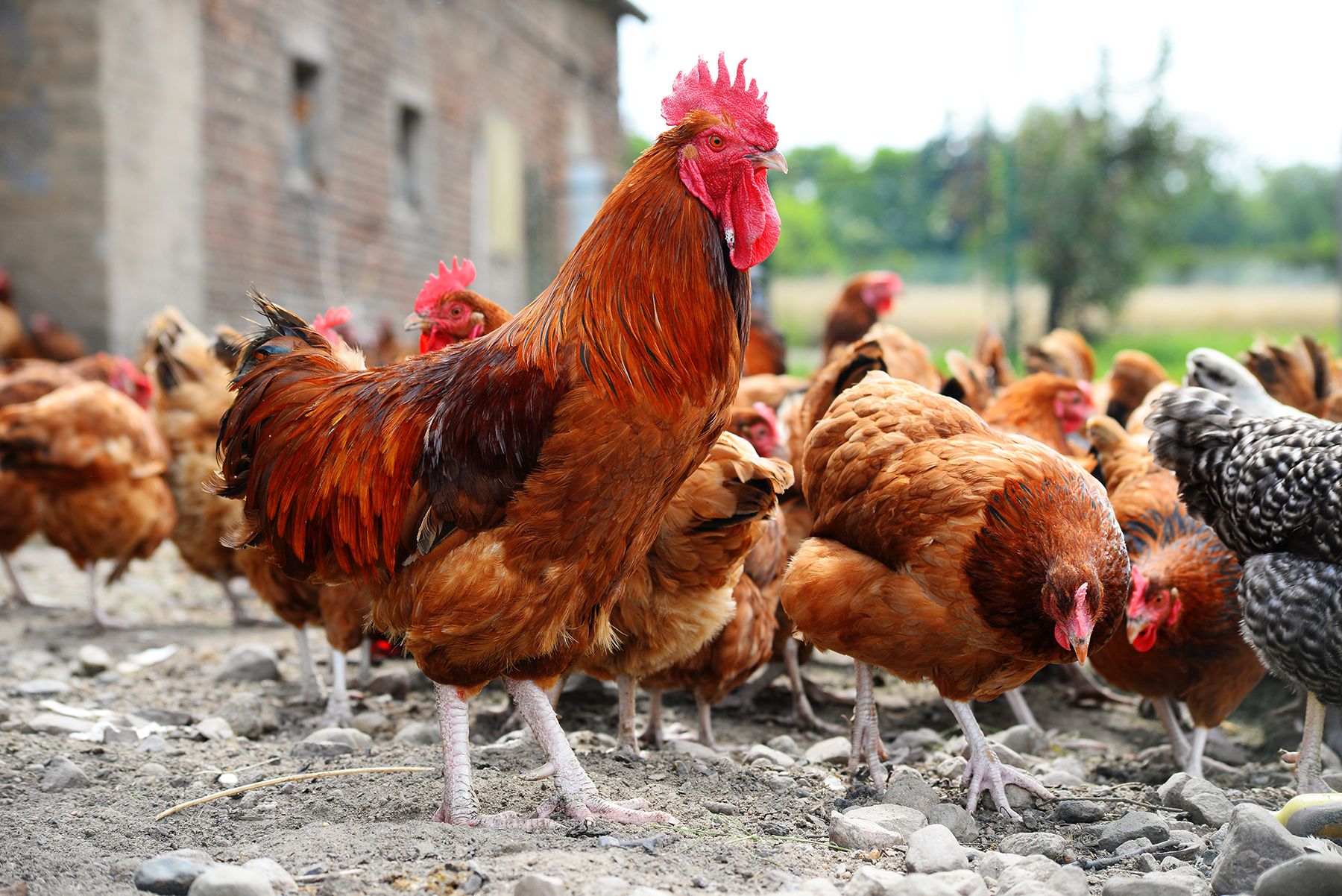
Training chickens to use a coop door or roost
Chickens naturally seek safety at dusk, but young birds and newly relocated flocks may need help learning where to sleep. A consistent routine can teach them to return through the coop door, settle on a perch, and remain protected from weather and predators.
The process is gentle and practical. With the right coop design, regular timing, and a calm approach, chicks, pullets, heritage breeds, and mature birds can learn reliable evening habits without unnecessary chasing or stress.
Whether you keep a small backyard flock or raise birds for breeding, good handling begins with healthy stock and suitable housing. Poultry from Premium Poultry Breeds can be matched with a secure setup that supports safe acclimation from the first day.
Prepare the coop before training begins
A chicken will be reluctant to enter a dark, cramped, or uncomfortable shelter. Check that the coop door opens smoothly, the ramp has secure footing, and the entrance is wide enough for the largest bird in the flock. Remove sharp edges, slippery surfaces, and clutter near the threshold.
The sleeping area should be dry, well ventilated, and free from drafts at roost level. Install perches above the floor but low enough for young birds to reach. Rounded timber with a broad surface is usually easier for chickens to grip than a narrow, smooth dowel.
Establish a predictable evening routine
Start by observing when the flock naturally becomes less active. As daylight fades, guide the birds toward the coop using slow movements and a quiet voice. Avoid grabbing birds unless necessary, since panic can make them associate the doorway with danger.
For the first several evenings, place a small amount of feed just inside the entrance. Once the chickens enter, allow them to eat and settle without immediately closing the door. After they begin choosing the coop voluntarily, close it after the flock is inside and repeat the routine at roughly the same time each night.
Help chickens learn the roost
Some young chickens sleep on the floor because they have not yet developed the balance or confidence to perch. After dark, when birds are calm and visibility is low, gently lift floor sleepers onto the roost. Supporting the body with both hands reduces struggling and protects wings and legs.
Repeat this for several nights while checking that the perch is not overcrowded. A dominant bird may block access, especially in a mixed flock. Provide enough roosting space for every chicken, with additional perches at similar heights so timid birds can settle without being pushed away.
| Training issue | Likely cause | Practical response |
|---|---|---|
| Birds gather outside the door | Poor lighting, narrow entrance, or fear | Add gentle interior light temporarily and improve access |
| Chickens sleep on the floor | Roost is too high, slippery, or crowded | Lower or widen the perch and add usable space |
| Birds ignore the coop at dusk | They have not formed a location habit | Confine them to the coop for several days |
| One bird refuses to enter | Injury, bullying, or unfamiliar surroundings | Inspect the bird and guide it separately if needed |
| Flock exits too early | Door opens before daylight activity is safe | Use an automatic door or adjust the opening time |
Use short-term confinement strategically
New arrivals often need a settling period before free-ranging. Keep them inside the coop and attached run for several days so they learn that the shelter is their home base. This is especially useful after transporting birds, introducing pullets, or moving a flock to a new location.
During confinement, provide clean water, balanced feed, grit where appropriate, and enough floor space to prevent crowding. Let the birds see the outside area through secure mesh if possible. When release begins, open the run late in the morning rather than at dawn, giving the flock less time to wander before returning at sunset.
Manage mixed breeds and different ages
Breed temperament affects training speed. Active Mediterranean breeds may explore before they understand the return pattern, while heavier heritage chickens may prefer a shorter route and a lower ramp. Bantams can also struggle with large door openings or tall perches designed for standard-size birds.
Mixed poultry collections require extra attention because turkeys, ducks, geese, quail, and chickens do not always share the same housing preferences. Keep species with different sleeping and moisture needs in appropriate spaces. Poultry enthusiasts who also raise ornamental birds can learn useful visual distinctions from this guide to peafowl colors, while maintaining separate, species-suitable housing.
Reinforce safe habits without force
Food rewards can support door training, but they should remain a small supplement rather than a replacement for complete poultry feed. Scatter a little scratch grain inside the coop as birds approach, then remove leftovers before they attract rodents. A consistent call or whistle can become another useful cue.
Never chase a flock repeatedly around the yard. Instead, reduce distractions, close off hiding places, and use temporary fencing to create a clear path. If one chicken remains outside, calmly guide it with a panel or your body position. Check for illness, bullying, or injury when a bird repeatedly avoids the coop.
Build a dependable routine
Once the flock enters and roosts reliably, keep the pattern stable through seasonal changes. Adjust door timing as daylight shifts, inspect latches frequently, and remove droppings from perches and ramps. An automatic pop door can improve consistency, but it still needs regular testing and predator-resistant installation.
Use these practices to maintain progress:
- Observe the flock at dusk for several evenings before changing the routine.
- Keep the coop entrance clean, dry, visible, and easy to navigate.
- Provide sufficient perch space at a comfortable height for every bird.
- Confine new arrivals briefly so they identify the coop as home.
- Investigate repeated refusal to enter instead of treating it as disobedience.
A well-trained flock saves time and gains better protection from cold, rain, predators, and nighttime hazards. Begin with a secure coop, repeat the same calm cues each evening, and give young or newly relocated birds enough time to develop confidence. Explore carefully selected poultry and hatching options at Premium Poultry Breeds to build a flock suited to your housing, breeding, and homesteading goals.