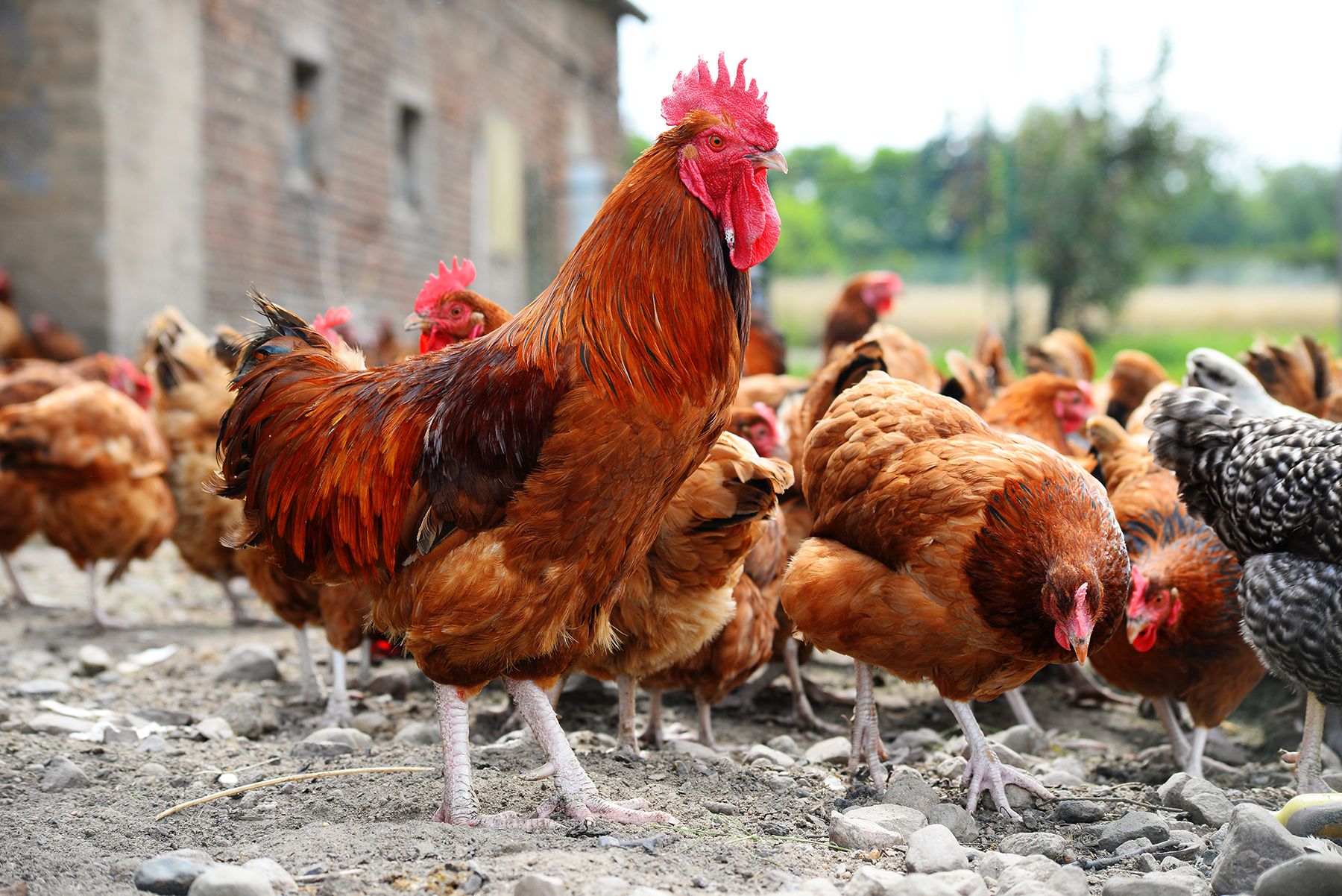
Brahma Chicken Breed: A Guide to Its Distinctive Qualities
Heritage poultry keepers from Hobart to Cairns are rediscovering the Brahma, an old-fashioned giant whose feathered legs and gentle temperament make it a standout in Australian backyards. Often called the gentle giant of the chook world, this American-developed Asiatic breed traces back to nineteenth-century Shanghai imports crossed with Malay stock, eventually refined into the imposing bird we know today.
For homesteaders weighing up which large breed to add to their flock, the Brahma offers a blend of hardiness, calm behaviour and respectable laying that few others can match. The following guide walks through its origins, physical traits, egg output, climate fit for Aussie conditions and practical care tips to help you decide whether this breed belongs on your patch.
History and Origins of the Brahma
The Brahma first appeared in North American poultry books during the 1840s, after breeders in Boston and New York crossed birds of Chinese Shanghai origin with Malay stock. The resulting fowl impressed fanciers with its sheer size and feathered shanks, and by the 1870s it had been admitted to the American Standard of Perfection in both Light and Dark varieties. Buff Brahmas followed shortly after, cementing the breed's reputation as a premier exhibition and utility bird.
Brahmas reached Australian shores in the late nineteenth century and quickly found favour with colonial-era fanciers exhibiting at the Sydney Royal Easter Show and the Royal Melbourne Show. Heritage breed societies across Victoria and New South Wales still promote the variety today, and a steady stream of imported bloodlines keeps the gene pool healthy in this country.
Physical Appearance and Recognised Varieties
A fully grown Brahma hen tips the scales at around 3.6 kilograms, while roosters often exceed 4.5 kilograms, placing them among the heaviest domestic chickens. Their most recognisable features include heavily feathered legs and outer toes, a broad back, a small pea or single comb, and a distinctive head shape described in older texts as resembling a Malay.
| Variety | Plumage | Comb Type | Approx. Adult Weight | Egg Shell |
|---|---|---|---|---|
| Light | White body with black hackle and tail | Pea | Hen 3.6 kg, Rooster 4.5 kg | Brown |
| Dark | Black and silver-grey penciling | Pea | Hen 3.6 kg, Rooster 4.5 kg | Brown |
| Buff | Golden-buff with black accents | Pea or Single | Hen 3.4 kg, Rooster 4.3 kg | Brown |
The Light remains the most familiar variety to casual buyers, while Dark Brahmas are favoured by exhibition breeders in regional Queensland and South Australia. Buffs round out the trio and are often described as the friendliest of the three.
Temperament and Disposition
Few chooks match the Brahma's famously docile nature, which is why they pop up in so many suburban coops in places like Brisbane and Perth. Roosters rarely show aggression, and the hens tolerate handling well, making them a sensible pick for families with children who want to be involved in the morning feeding. Their quiet clucking also makes them a good fit for backyards where crowing complaints could be an issue with council rangers.
Because of their heavy build, Brahmas do not fly well and rarely test fence boundaries, a practical bonus for keepers in inner-city Melbourne who might be working with a smaller footprint. Some hobby farmers even keep a small flock alongside quail as part of a diversified setup, and resources like this guide to quail breeding work nicely for anyone interested in mixing species on a smaller block.
Egg Production and Broodiness
Brahmas are moderate layers, producing around 150 medium-sized brown eggs per year, with laying continuing through the cooler months when many other breeds take a break. This winter output is a real asset for households that want a steady supply of fresh eggs through July and August, particularly in southern regions where shorter days slow other hens right down.
The breed also has a strong tendency toward broodiness, and Brahma hens are celebrated as patient, attentive mothers. Many Australian keepers report success using them to hatch eggs from other breeds, including heritage ducks and bantams, which makes them a useful part of a mixed poultry operation.
Climate Suitability Across Australian Conditions
Australia's range of conditions, from the humid subtropics around Brisbane to the dry heat of Adelaide and the brisk winters of Tasmania, poses real questions for keepers of any large, heavily feathered bird. Brahmas cope well with cold snaps thanks to their dense plumage and feathered legs, but they struggle in sustained heat, so shaded runs and cool, fresh water are essential in western Sydney summers or anywhere north of Rockhampton.
Local council rules also shape which birds you can keep. Most suburban councils in capital cities allow three to six hens without a rooster, and Brahmas slot neatly into that limit because they are unlikely to disturb neighbours. Before ordering, check your local shire or city council's keeping of poultry guidelines, as some newer estates still carry restrictive covenants.
Health, Feeding and Daily Care
Feathered legs need a little extra attention because the plumage can harbour scaly leg mite if the run becomes muddy, particularly through a wet La Niña summer. Keeping the coop floor dry and applying a routine barrier treatment will head off most problems. Brahmas also benefit from a higher-protein grower feed during their slow maturation, as they take a full year to reach adult weight, longer than most commercial breeds.
Practical Recommendations for Owners
- Provide at least 0.4 square metres of coop space per bird to prevent feather damage in confined runs.
- Offer shaded perches no higher than 60 centimetres off the ground, since heavy birds can injure their legs jumping from tall roosts.
- Feed a layer pellet with at least 16 percent protein during the laying season, supplemented with shell grit for strong eggshells.
- Trim excess mud and damp straw from the run weekly to discourage mites in the leg feathering.
- Pair Brahmas with smaller, active breeds if your run is large enough, since the giants tend to move slowly and benefit from more energetic companions.
Heritage keepers across the country source their breeding stock from reputable suppliers, and you can browse the store's chick catalogue to find Light, Dark and Buff chicks shipped from local breeders. Each order is packed with health-checked stock and reliable shipping, so your new chooks arrive ready to settle into the backyard and start earning their keep.