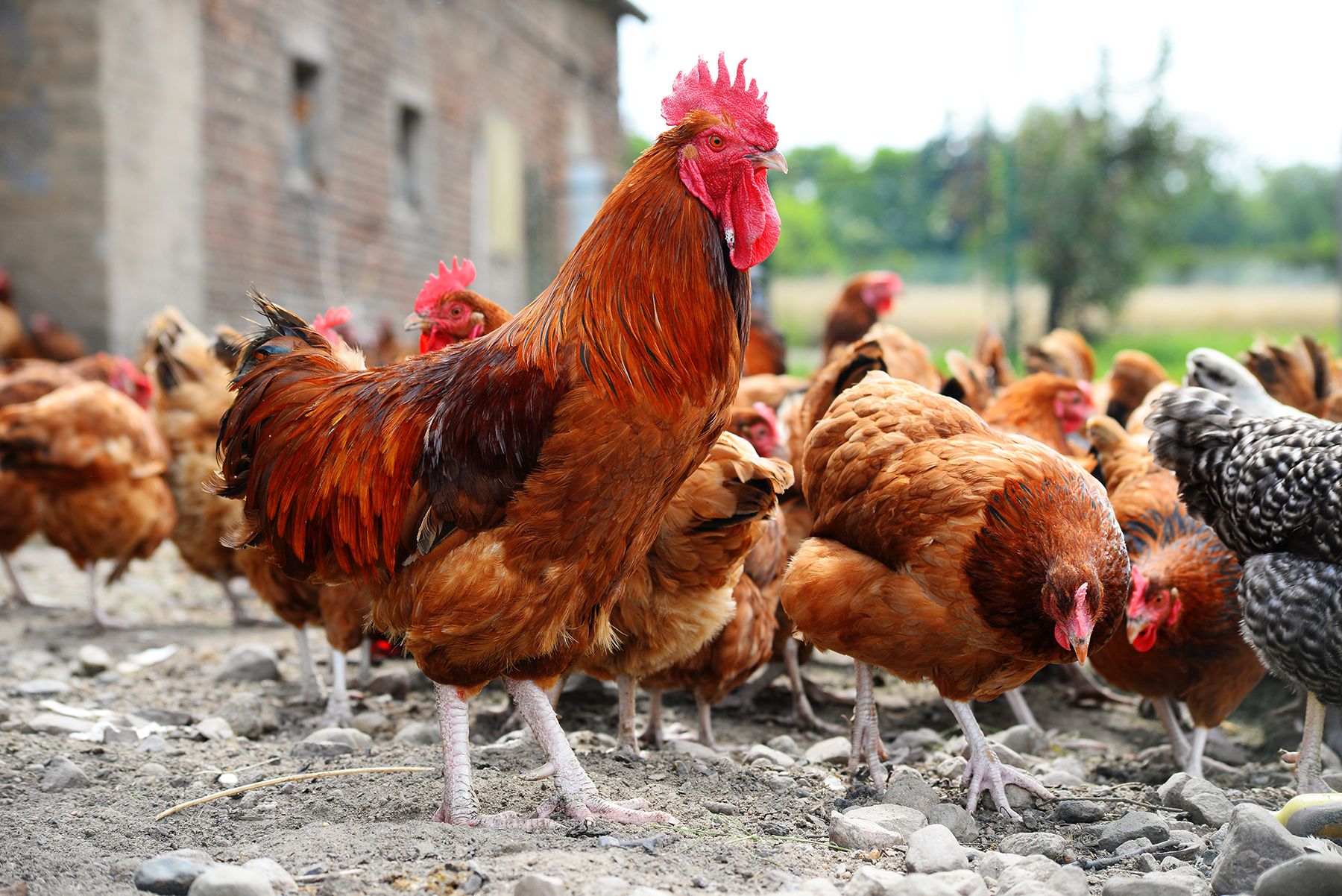
The unique characteristics of the Polish crested chicken breed
The Polish Crested chicken is one of the most recognisable ornamental poultry breeds in the world. Its rounded head crest, upright carriage and unusual facial feathering give it a distinctive presence in a backyard flock, while its gentle nature makes it appealing to families, hobby keepers and exhibition breeders.
Known in Australia simply as a “Polish” or “Polish crested,” this breed is valued more for beauty, personality and exhibition qualities than for heavy meat production. It can still provide a useful supply of small to medium white eggs, but its real charm lies in its unusual appearance and heritage character.
A Polish chicken can suit a suburban block, lifestyle property or dedicated breeding pen when its needs are understood. Good visibility, dry housing, protection from predators and sensible management during hot Australian weather are especially important for maintaining healthy, confident birds.
A crest that defines the breed
The large head crest is the Polish chicken’s signature feature. Feathers grow from a prominent skull protuberance and form a rounded, flowing cap, with the exact shape varying between strains and individual birds. Some have neat, compact crests, while others develop a broad mop of feathers around the face.
Several colour varieties are available, including White Crested Black, Golden, Silver, Buff Laced, Blue and Tolbunt. Bearded and non-bearded forms are also seen. Their legs are generally slate or blue-grey, and the breed has a distinctive V-shaped comb that can be partly hidden beneath the crest.
The crest can become damp, dirty or matted if the bird lives in muddy conditions. Gentle trimming around the eyes may help a backyard bird see more clearly, although breeders often preserve the full crest for showing. Any trimming should be done carefully, since the skin and skull area beneath the feathers can be sensitive.
Temperament and flock behaviour
Polish chickens are usually active, curious and friendly when handled from a young age. They are not typically aggressive, making them a good companion breed for mixed backyard flocks. Their light body and alert behaviour allow them to move easily around a run, though they are less robust than large utility breeds.
Their head feathers can limit their field of vision, causing them to startle when another bird, dog or person approaches suddenly. A Polish may appear flighty when the real issue is that it has not seen what is coming. Calm handling and a predictable routine help build confidence, especially for young chicks.
In a flock, Polish birds may be pushed away from feeders by more assertive hens. Provide several feeding and watering points, particularly in a larger run. In rural areas around Bendigo, Toowoomba or the Adelaide Hills, secure fencing is also important because foxes and roaming dogs can quickly exploit a distracted ornamental bird.
Egg production and breeding value
Polish hens generally lay white eggs, often around 150 to 200 per year under favourable conditions. Production may be lower during winter, moult, heat stress or periods of poor nutrition. They are valued as ornamental layers rather than commercial egg producers, so their output is modest compared with specialised laying hybrids.
This breed is not especially reliable as a broody hen. Keepers who want to hatch Polish chicks commonly use an incubator or a dependable broody breed. Hatching eggs should be clean, well-shaped and stored correctly before incubation, with careful attention to temperature, humidity and turning.
As with any laying bird, monitor changes in appetite, posture and egg production. A hen that strains, repeatedly visits the nest or becomes unusually quiet may need prompt attention; these egg-binding warning signs should never be ignored.
Housing for Australian conditions
A Polish crested chicken needs a dry, well-ventilated coop with protection from wind, rain and direct summer sun. In Queensland and northern New South Wales, shade cloth, cool drinking water and good airflow are essential during hot spells. Avoid overcrowding, as heat and moisture around the crest can encourage skin irritation and bacterial problems.
In colder parts of Victoria, Tasmania and the tablelands, the crest should be kept dry overnight and the coop should be sheltered without becoming stale or airtight. Perches should be stable and low enough to reduce injury risk, since limited vision can make jumping and landing less controlled.
A covered run is useful for keeping the crest clean and reducing exposure to wild birds. Australian keepers should also follow local biosecurity guidance, quarantine new arrivals and check council rules before increasing flock numbers. Requirements can differ between metropolitan councils, regional shires and acreage properties.
Grooming, feeding and everyday care
A balanced poultry ration is the foundation of good crest growth, feather quality and laying performance. Offer age-appropriate starter, grower or layer feed, along with clean water at all times. Scraps should be limited and should never replace a complete ration. Shell grit or another calcium source can support laying hens when provided appropriately.
Inspect the crest regularly for lice, mites, dirt and tangled feathers. Birds with heavily feathered faces may benefit from a shallow, wide feeder that allows them to eat without repeatedly pushing the crest into the feed. Keep bedding fresh and remove wet patches promptly.
Australian keepers often call their poultry “chooks,” but this showy breed needs more attentive grooming than many ordinary backyard hens. A quick check each arvo can reveal blocked vision, a dirty face, heat stress or bullying before a small issue becomes a serious one.
Is the Polish right for your flock?
The breed is a strong choice for keepers who want visual appeal, a calm exhibition bird and occasional white eggs. It may be less suitable for someone seeking high egg numbers, a hardy free-ranging utility hen or a bird that requires very little maintenance.
When buying chicks, mature birds or hatching eggs, look for healthy stock with clear eyes, clean vents, sound legs and good body condition. Responsible sourcing also matters for maintaining breed traits, especially crest shape, colour pattern and temperament.
| Feature | Polish crested chicken |
|---|---|
| Main appeal | Ornamental crest and exhibition appearance |
| Egg colour | White |
| Typical production | Moderate, often around 150–200 eggs yearly |
| Temperament | Generally gentle, active and curious |
| Broodiness | Usually low or unreliable |
| Key care need | Crest grooming and clear vision |
| Australian suitability | Good with shade, ventilation and predator protection |
For Australian homesteaders, breeders and poultry enthusiasts, Polish chickens bring character to a flock without demanding industrial-style facilities. Explore carefully selected Polish chicks, mature birds and hatching eggs from Premium Poultry Breeds to add this remarkable heritage breed to your own poultry yard.