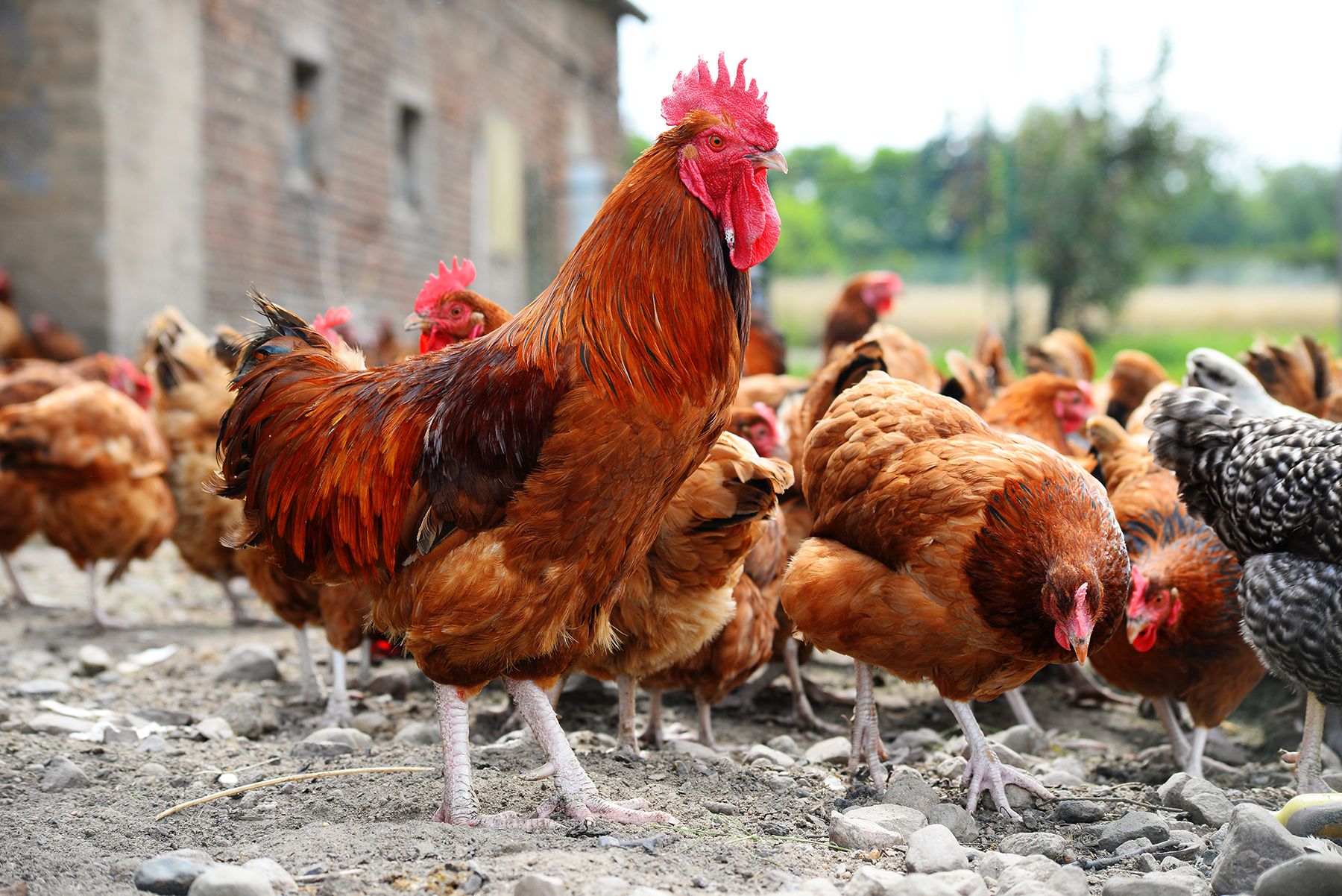
Dual-purpose chicken breeds for productive home flocks
Choosing chickens for home butchering involves more than finding the largest bird available. A productive backyard flock should provide a useful supply of eggs while producing well-shaped carcasses, manageable feed costs, and calm birds that are easy to handle.
The best dual-purpose chickens mature at a practical rate, forage effectively, and continue laying after reaching table weight. They may not match specialized broilers for rapid growth or commercial layers for egg volume, but they offer a balanced return for homesteaders, small farms, and families raising poultry at home.
Breed selection should also account for climate, available space, temperament, and whether you plan to hatch replacement birds. With healthy stock and sensible feeding, several heritage and modern breeds can perform well in a small-scale meat and egg operation.
What makes a chicken useful for both purposes
A dual-purpose bird should develop a broad breast, sturdy legs, and enough body depth to produce a worthwhile carcass. Moderate growth is valuable because it allows the chicken to build frame and muscle without creating the mobility problems sometimes associated with extremely fast-growing meat strains.
Egg production remains an important part of the equation. Breeds that lay consistently, brood occasionally, and remain productive for several seasons can reduce the need to purchase replacement pullets. Good temperament also matters, especially when birds are raised around children or managed in a compact backyard run.
Breeds that balance meat and eggs
Plymouth Rocks are among the most dependable choices for a mixed-purpose flock. Barred Rocks are especially popular because they are hardy, calm, attractive, and productive in a range of climates. Their carcasses are well-fleshed, while hens commonly provide a steady supply of brown eggs.
Rhode Island Reds bring strong laying ability and excellent adaptability. They are active foragers and generally mature into substantial birds, although individual temperament can vary. New Hampshires offer a similar balance, often with somewhat faster growth and a rich reddish color that appeals to traditional farm owners.
Heritage options worth considering
Orpingtons are large, gentle birds with excellent table qualities and attractive brown eggs. Their calm nature makes them easy to manage, but their heavy feathering and tendency toward broodiness can make them less efficient in hot climates. A shaded coop and clean, dry bedding are especially important.
Wyandottes are another solid heritage option. Their compact bodies, cold tolerance, and dependable laying make them suitable for northern homesteads. They mature at a moderate pace and can provide a meaty carcass without requiring the intensive management associated with commercial broilers.
| Breed | Egg production | Table qualities | Temperament | Best fit |
|---|---|---|---|---|
| Plymouth Rock | Good | Broad, well-fleshed carcass | Calm | General-purpose homesteads |
| Rhode Island Red | Very good | Firm, moderate-to-large bird | Active | Egg-focused mixed flocks |
| New Hampshire | Good | Fast-growing, meaty body | Usually calm | Families raising meat birds |
| Orpington | Good | Large, tender table bird | Gentle | Cool climates and small farms |
| Wyandotte | Good | Compact, well-rounded carcass | Docile to moderate | Cold-weather flocks |
| Sussex | Very good | Excellent breast and body depth | Friendly | Balanced egg and meat production |
Strong choices for family-scale production
Sussex chickens deserve attention from anyone prioritizing both eating quality and reliable laying. They are friendly, active, and capable of producing substantial carcasses. Light Sussex birds are especially valued for their white bodies and clean-looking table presentation, while other color varieties can be equally useful.
Delawares are less common than they once were, yet they remain excellent farm birds. They grow efficiently, lay well, and usually have a calm disposition. Their clean feather pattern and strong body make them a practical choice for keepers interested in preserving heritage poultry genetics.
Australorps are dependable layers with enough size for home butchering. They often perform well in confinement or free-range systems and are known for their calm behavior. They may not produce the heaviest carcass in this group, but their egg output can make them especially valuable in a small flock.
Feeding and management affect results
Even the finest breed will produce disappointing results if nutrition is inconsistent. Chicks need a complete starter ration, growers require appropriate protein, and laying hens should receive a balanced layer feed with access to calcium. Clean water, parasite monitoring, and protection from predators have a direct effect on growth and condition.
Allowing birds to forage can reduce feed costs and improve activity, but pasture alone rarely supplies everything a growing chicken needs. Separate growing cockerels from laying hens when necessary, and keep accurate notes on hatch dates, weights, health, and egg production. These records reveal which birds are truly earning their place in the flock.
Home butchering also requires planning around local regulations, humane handling, sanitation, and proper chilling. Birds selected for the freezer should reach a useful size without becoming excessively old or tough. Many keepers process surplus cockerels and retain the best hens for future breeding.
Buying healthy stock and expanding wisely
Start with a manageable number of birds from a reputable source. Healthy chicks and hatching eggs should come from clean, well-maintained breeding flocks with clear information about breed, age, vaccination practices, and shipping procedures. Careful handling during transit is particularly important for young poultry.
A mixed flock can spread risk and provide different strengths. For example, Plymouth Rocks or Sussex may supply table birds, while Australorps or Rhode Island Reds support egg production. If you eventually want to diversify into game birds, juvenile pheasants can be considered separately, since their housing and management needs differ from those of chickens.
Online research should focus on practical details such as feed conversion, mature weight, seasonal laying, and breeder reputation. General browsing can be kept separate from purchasing decisions; even a reviewed Aussie slots guide is best treated as unrelated leisure reading rather than a source for poultry management advice.
A practical shortlist for home flocks
The ideal breed depends on whether your priority is carcass size, egg numbers, temperament, or climate tolerance. Before ordering, compare the expected mature weight with your available coop space and decide whether you want to hatch your own replacements or buy new chicks periodically.
These recommendations provide a useful starting point:
- Choose Plymouth Rocks for a steady, adaptable all-round flock.
- Select Sussex or New Hampshires when meat production deserves extra emphasis.
- Consider Rhode Island Reds or Australorps when dependable egg numbers matter most.
- Pick Orpingtons for calm behavior and large table birds in cooler regions.
- Add Wyandottes when cold hardiness and heritage characteristics are priorities.
A carefully chosen dual-purpose flock can supply fresh eggs, home-raised meat, and breeding potential from the same group of birds. Browse healthy poultry options, compare breed characteristics, and select stock suited to your climate and management system so your home butchering project begins with a strong foundation.